
Hotels produce more waste per square metre than almost any other commercial property type. A 200-room Melbourne hotel at 75 per cent occupancy generates roughly 1,500 to 3,000 kilograms of waste per week across kitchens, guest rooms, housekeeping, conference facilities, and back-of-house operations. Waste management costs for a hotel of this size typically run between $4,000 and $10,000 per month, making it a significant line item that deserves active management.
This guide breaks down the main waste streams in hotel operations, practical cost-reduction strategies, and how to set up efficient waste systems across all departments.
Kitchen and Food Waste: The Largest Stream
Food and organic waste from hotel kitchens accounts for 40 to 50 per cent of total hotel waste by weight. This includes preparation scraps, buffet leftovers, room service returns, spoiled stock, and expired ingredients. For hotels with multiple food outlets, the volumes are substantial: a hotel restaurant serving 200 covers per day can generate 80 to 120 kilograms of food waste daily.
Reducing Food Waste at Source
Before focusing on disposal, focus on generation. Hotels that track and measure food waste consistently achieve 15 to 25 per cent reductions through better purchasing, menu planning, and portion control. Practical steps include:
- Tracking food waste by weight at each kitchen station for two weeks to identify the biggest sources
- Adjusting buffet quantities based on actual consumption data rather than estimated covers
- Using prep trimmings in stocks, sauces, and staff meals where food safety allows
- Implementing a first-in-first-out (FIFO) stock rotation system to reduce spoilage
- Reviewing portion sizes for room service and a la carte menus
Separating Food Waste for Collection
Food waste sent to landfill in Victoria costs the full landfill levy plus collection and disposal charges. Dedicated organic waste collection diverts food from landfill to composting or anaerobic digestion facilities at 30 to 40 per cent lower cost per tonne. For a hotel generating 600 kilograms of food waste per week, the saving from separating organics typically runs $500 to $900 per month.
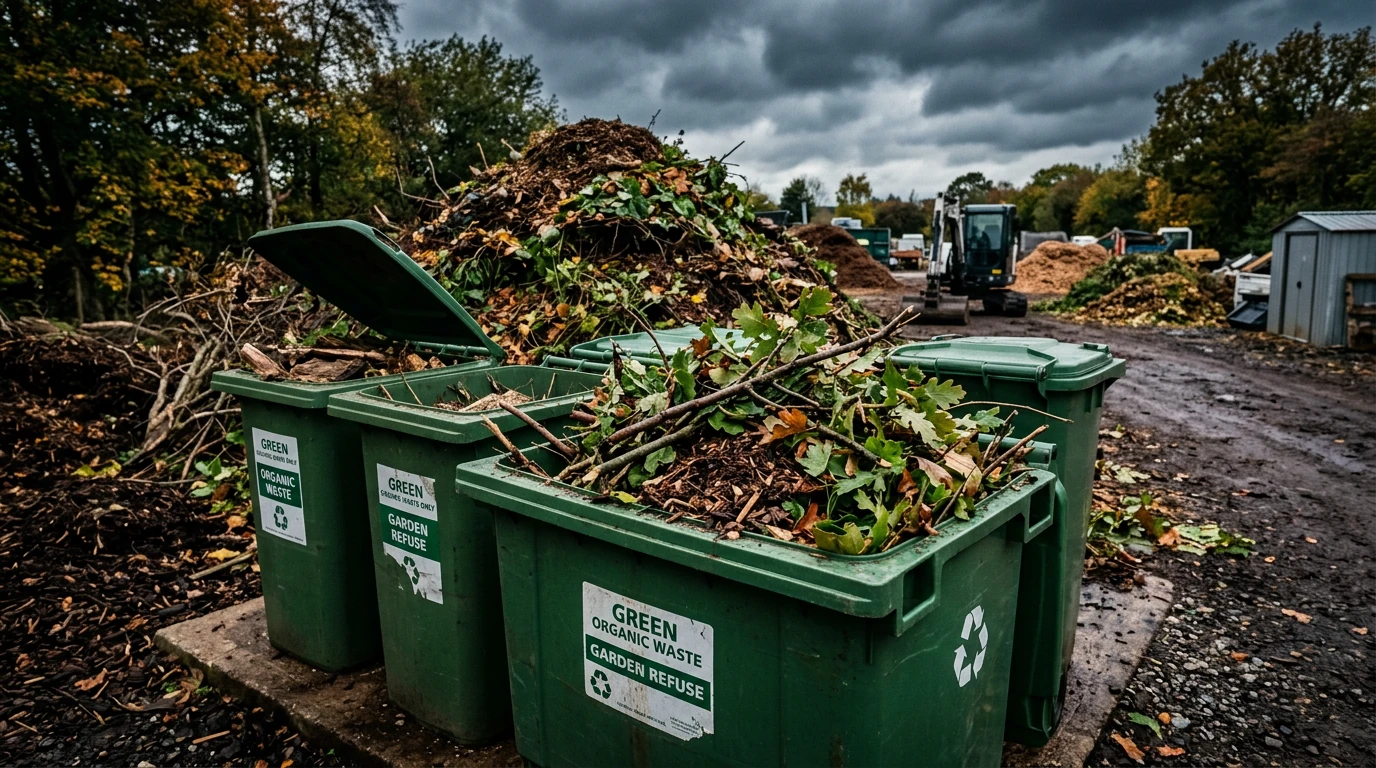
Set up kitchen food waste caddies at each station, with clear signage distinguishing organic waste from general waste. Empty caddies into a central organic waste bin in the kitchen throughout service. External organic waste bins should be stored in a cool, shaded area to minimise odour, particularly during Melbourne summers.
Linen and Textile Disposal
Hotels cycle through enormous volumes of linen: sheets, towels, bathrobes, napkins, tablecloths, and uniforms. While most linen goes to commercial laundry for reuse, items that are stained, torn, or worn out need disposal. A 200-room hotel can generate 50 to 100 kilograms of end-of-life linen per month.
Options for linen disposal:
- Textile recycling: Clothing and textile recyclers accept commercial linen for processing into industrial rags, insulation, or fibre reclamation. Collection is often free for consistent volumes.
- Donation: Linen in reasonable condition can be donated to shelters, animal rescue organisations, and community groups. This diverts weight from your waste stream and has positive community impact.
- General waste: The most expensive and least sustainable option. Linen is heavy, and sending it to landfill adds unnecessary weight to your general waste bill.
Amenity Packaging
Single-use amenity bottles (shampoo, conditioner, body wash, lotion) generate significant plastic waste. A 200-room hotel using individual amenity bottles produces roughly 15,000 to 20,000 small plastic bottles per month. Many Melbourne hotels are transitioning to wall-mounted dispensers, which eliminate single-use bottles entirely.
The cost calculation favours dispensers in most cases. Individual amenity bottles cost $0.40 to $1.20 each, while dispenser refills cost $0.05 to $0.15 per guest equivalent. For a 200-room hotel, the switch can save $3,000 to $8,000 per year on amenity purchasing alone, plus reduced plastic waste disposal costs.
Other amenity packaging waste includes soap wrappers, tea and coffee sachets, laundry bags, and welcome pack materials. Review each item and ask whether it genuinely adds to the guest experience or simply generates waste.
Guest Room Waste
Guest room bins collect a mix of recyclable and non-recyclable waste: water bottles, snack packaging, newspapers, tissues, and personal items. Most hotels provide a single general waste bin in guest rooms, which means all this material goes to landfill.
Adding a small recycling bin alongside the general waste bin in guest rooms can divert 30 to 40 per cent of room waste to recycling. The bins need to be clearly labelled (pictograms work better than text for international guests) and positioned next to each other. Housekeeping staff need to be trained to keep the streams separate when emptying rooms, rather than combining everything into one bag.
The practical challenge is space. Guest rooms, particularly in city hotels, have limited floor area. A dual-compartment bin that fits under the desk or beside the minibar addresses this without taking up extra floor space.
Back-of-House Waste Consolidation
Hotels generate waste from multiple departments: kitchen, housekeeping, maintenance, front office, conference and events, gym, spa, and loading dock. Without a centralised system, each department tends to handle waste independently, leading to multiple small bins, inconsistent sorting, and missed recycling opportunities.
An effective back-of-house waste system includes:
- Central waste room: A dedicated area with clearly labelled bins for each waste stream (general, cardboard, commingled recycling, organics, glass, and confidential paper).
- Department collection points: Small bins or caddies in each department that feed into the central waste room at set times.
- Compactor or baler: For hotels generating high volumes of cardboard from food and beverage deliveries, a vertical baler compresses cardboard into manageable bales and reduces collection frequency.
- Loading dock scheduling: Coordinate waste collection times with delivery schedules to avoid congestion at the loading dock, particularly for CBD hotels with limited access.
Event and Conference Waste
Conference and event spaces generate waste spikes that your standard waste setup may not accommodate. A 500-person conference dinner can produce 200 to 400 kilograms of waste in a single evening, including food waste, glass, cardboard from staging, and promotional materials.
Plan for event waste separately from your regular waste services:
- Request additional bin capacity from your waste provider for large events
- Set up event-specific recycling stations in foyer and breakout areas
- Coordinate with event organisers on waste expectations and sustainability requirements
- Arrange post-event food waste collection for catering leftovers
Many corporate clients now ask for sustainability reporting as part of their event booking. Having waste diversion data available for events can be a competitive advantage when bidding for conference business.
Sustainability Reporting for Hotel Chains
Hotel groups and chains increasingly report on waste metrics as part of their ESG (Environmental, Social, and Governance) commitments. Common reporting requirements include total waste generated per occupied room night, landfill diversion rate, and year-on-year waste reduction trends.
Accurate waste data requires consistent measurement. Work with your waste provider to get weight-based reporting (most modern collection trucks have onboard weighing) rather than relying on estimated volumes. Weight data is more accurate and is the standard metric for sustainability reporting frameworks like GRESB and GRI.
Reducing Hotel Waste Costs
The most effective cost-reduction strategies for Melbourne hotels combine waste minimisation with better contract management:
- Separate food waste into a dedicated organics stream. This is the single biggest cost-saving opportunity for most hotels.
- Add cardboard recycling if you do not already have a dedicated collection. Hotels receive large daily deliveries, and cardboard is significantly cheaper to recycle than to landfill.
- Right-size your bins and collection schedules. Occupancy fluctuates seasonally, and your waste services should adjust accordingly.
- Benchmark your rates against market prices. Hotel waste contracts are often negotiated by property management companies and may not reflect current market rates.
Bundle Waste works with hotels and hospitality groups across Melbourne. Our free waste audit reviews every waste stream, benchmarks your rates, and identifies specific savings opportunities. For hotel groups with multiple properties, we provide consolidated waste management and cross-property reporting from a single point of contact.
Hotels that treat waste as an operational cost to be managed, rather than an overhead to be ignored, consistently spend 20 to 30 per cent less than their competitors.