
Retail stores generate a surprisingly large amount of waste relative to their floor space. Between delivery packaging, damaged goods, point-of-sale materials, and customer-generated waste, a typical Melbourne retail store produces 200 to 600 kilograms of waste per week. The composition is heavily skewed toward cardboard and packaging materials, which means there are real opportunities to reduce both volumes and costs.
This guide covers the main retail waste streams, practical reduction strategies, and how to structure your waste services to spend less without creating operational headaches.
Understanding Your Retail Waste Profile
Cardboard: The Dominant Stream
Cardboard typically accounts for 50 to 70 per cent of retail waste by volume. Every delivery brings outer cartons, inner boxes, dividers, and packaging inserts. For stores receiving daily deliveries, the cardboard volume can fill a 1,100-litre bin in a single day if boxes are not broken down.
The good news is that cardboard is one of the cheapest waste streams to manage. Recycling collection rates for clean cardboard run 30 to 50 per cent lower than general waste on a per-lift basis. If you are currently putting cardboard into your general waste bin, separating it into a dedicated recycling bin is the single fastest way to reduce your waste costs.
Breaking down boxes flat before binning is essential. A 1,100-litre bin holds roughly three times more cardboard when flattened compared to whole boxes. This reduces the number of collections needed and directly lowers your monthly bill.
Soft Plastics and Stretch Wrap
Plastic wrapping, stretch film, bubble wrap, and poly bags are the second-largest waste stream for most retail stores. These materials cannot go into standard commingled recycling bins. In Melbourne, soft plastics need to be collected separately through specialised programmes or commercial soft plastic recycling services.
For stores generating significant volumes of soft plastic, a dedicated collection can be arranged through waste providers who specialise in commercial soft plastic recycling. The key is keeping the material clean and dry: contaminated soft plastics get rejected and sent to landfill.
Damaged and Returned Stock
Every retail operation deals with damaged goods, expired products, and unsaleable returns. The disposal method depends on the product type. Clothing and textiles can go through clothing recycling programmes. Electronics must be handled as e-waste. Food products from grocery or convenience retail need organic waste collection. For branded goods that cannot be donated or resold, product destruction services ensure items are disposed of securely.
Before disposal, consider whether damaged stock can be donated. Organisations like SecondBite (for food), the Salvation Army, and various op-shop networks accept usable goods. Donations reduce your waste volumes and can provide tax deductions.
Practical Waste Reduction Strategies
Work with Suppliers on Packaging
A significant portion of retail waste originates from supplier packaging. If you have purchasing power or a direct relationship with suppliers, discuss packaging reduction options. Returnable crates instead of cardboard boxes, reduced inner packaging, and consolidated deliveries all cut waste at the source. Some suppliers will take back their own packaging for reuse if asked.
Implement a Back-of-House Sorting System
Set up a simple three-bin system in your receiving area:
- Cardboard: Flatten and stack. This should be your largest bin.
- Soft plastics: A cage or large bag for stretch wrap, poly bags, and bubble wrap.
- General waste: Everything that cannot be recycled, including food-contaminated packaging, mixed materials, and non-recyclable items.
Train receiving staff to sort as they unpack deliveries. Sorting at the point of generation is far more effective than trying to separate waste after it has been mixed in a single bin.
Consider a Cardboard Compactor or Baler
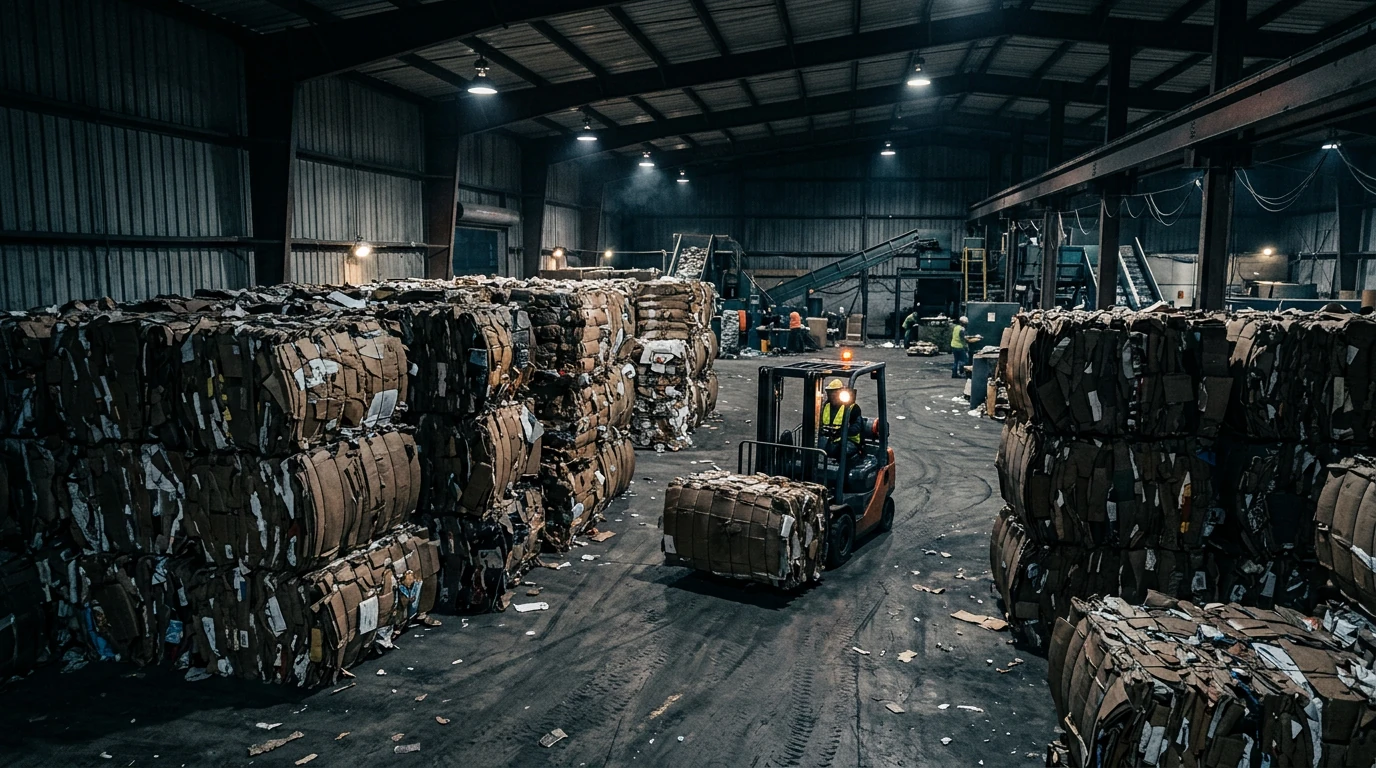
For stores generating large volumes of cardboard, particularly multi-store operations, department stores, and shopping centre retailers, a cardboard baler or compactor can dramatically reduce collection costs. A baler compresses cardboard into dense bales that can be collected less frequently and may even generate rebate income from recyclers.
A small vertical baler costs $3,000 to $6,000 and fits in a standard loading dock area. For a store currently filling two 1,100-litre cardboard bins per week at $85 per lift, the baler can reduce collections to once per fortnight, saving roughly $600 per month. The payback period is typically six to ten months.
Consolidate Waste Services Across Locations
If you operate multiple retail locations across Melbourne, consolidating waste contracts under a single provider or partner can deliver significant savings. Individual store contracts negotiated separately rarely achieve the volume-based pricing available when waste is bundled across ten, twenty, or fifty locations.
A consolidated contract also simplifies administration. One invoice, one point of contact, and consistent service standards across all stores.
Compactor vs Bins: The ROI Calculation
For larger retail operations, the question of whether to invest in a compactor is straightforward maths. Consider a store spending $2,400 per month on general waste collection with four 1,100-litre bins collected three times per week.
A rear-load compactor (typically leased at $400 to $800 per month) compresses waste at a 4:1 ratio, meaning the same volume of waste fits into one-quarter of the bin space. This reduces collections from twelve per week to three, and the net monthly saving after lease costs is typically $800 to $1,200.
Compactors also reduce contamination risk, eliminate overflowing bins, and improve the appearance of your loading dock area. For shopping centre retailers, where bin storage space is limited and shared, a compactor is often the only practical solution.
Reducing Customer-Facing Waste
While back-of-house waste drives the majority of retail waste costs, front-of-store waste matters too, particularly for brand perception and customer experience. Strategies include:
- Offering reusable shopping bags and minimising single-use packaging at checkout
- Using digital receipts to reduce paper waste
- Installing clearly labelled recycling bins in customer areas
- Reducing point-of-sale display materials by switching to digital signage
Getting Started: A Quick Action Plan
If you want to reduce your retail waste costs this month, start with these three steps:
- Separate your cardboard. If it is currently going into general waste, get a dedicated cardboard recycling bin. This alone can cut your general waste costs by 20 to 40 per cent.
- Break down all boxes. Make it a staff policy. Flattened cardboard means fewer collections.
- Review your invoices. Check your current rates against your contract. Look for hidden fees and charges that were not in the original agreement.
For a comprehensive review of your retail waste setup, Bundle Waste offers a free waste audit for Melbourne businesses. We assess your current volumes, benchmark your rates, and recommend changes that typically deliver significant savings on total waste spend.
The best waste reduction strategy is one your staff will actually follow. Keep it simple, make sorting easy, and the savings follow.