
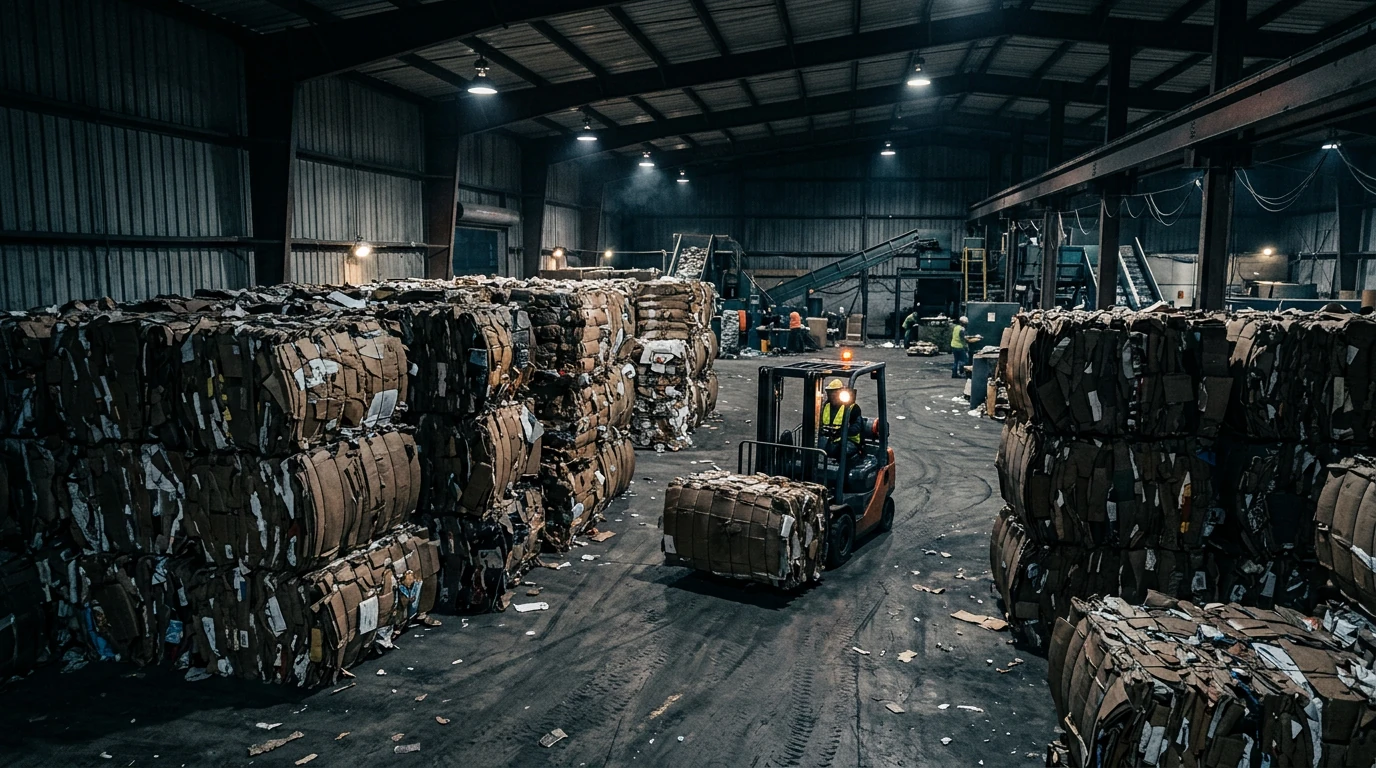
Contamination is one of the most overlooked drivers of waste cost in Australian businesses. When non-recyclable items end up in your recycling bin — food waste, soft plastics, nappies, polystyrene, soiled packaging — the entire bin can be rejected by the material recovery facility (MRF) and redirected to landfill. When that happens, you pay the higher general waste disposal rate for the whole load, plus contamination penalty charges of $50-$200 or more per incident. For businesses with frequent contamination issues, this can add thousands of dollars per year to waste costs.
How Contamination Happens
Contamination is rarely malicious — it is almost always the result of confusion, convenience, or inadequate bin systems. The most common causes:
- Wish-cycling: Staff put items in the recycling bin hoping they are recyclable, even when they are not — coffee cups (lined with plastic), soft plastics, tissues, takeaway containers with food residue
- No signage or poor signage: Bins without clear, visual guidance on what goes where. Text-only signs are far less effective than picture-based signs
- Bin placement: If the recycling bin is more convenient than the general waste bin, staff will use it for everything. Bins should be paired together at every waste generation point
- Food contamination: The single biggest recycling contaminant. A half-eaten sandwich or a cup of coffee poured into a recycling bin can contaminate an entire load of paper and cardboard
- Visitor and customer behaviour: In retail, hospitality, and office buildings, external users often do not know or care about waste sorting
The Financial Impact
Contamination costs businesses in three ways:
1. Penalty Charges
Most commercial waste contracts include contamination clauses. If your recycling bin is found to contain more than a threshold level of non-recyclable material (typically 10-15%), the provider can apply contamination charges. These range from $50 for a first warning to $200+ for repeat offences. Some providers will refuse to collect a contaminated bin, leaving you to pay for an additional collection.
2. Reclassification to General Waste
If contamination is persistent, your provider may reclassify your recycling bin as general waste — charging you the higher general waste rate (including landfill levy) for every collection. This effectively doubles the cost of that bin compared to clean recycling.
3. Lost Recycling Value
Clean, well-sorted recycling has commodity value that can offset your collection costs. Contaminated recycling has negative value — the MRF has to pay to sort out contaminants, and the remaining material is lower quality. Some contracts include rebates for clean recycling; contamination eliminates these rebates entirely.
A Melbourne retail chain we work with was paying $14,000 per year in contamination charges across their stores — almost entirely from soft plastics and food packaging in their recycling bins. After implementing clear signage and staff training, contamination charges dropped to near zero within three months.
The Most Common Contaminants
- Soft plastics: Plastic bags, cling wrap, chip packets, bubble wrap — these jam sorting machinery and are not accepted in co-mingled recycling
- Food and liquid: Food scraps, coffee, juice — these soil paper and cardboard, making them non-recyclable
- Coffee cups: Despite looking like cardboard, most coffee cups have a plastic lining and are not recyclable in standard co-mingled bins
- Polystyrene: Foam cups, packing peanuts, meat trays — not accepted in most co-mingled recycling
- Nappies and tissues: Hygiene products contaminate entire loads
- Textiles: Clothing, rags, and fabric should go to textile recycling, not co-mingled bins
How to Eliminate Contamination
Visual Signage at Every Bin
The most effective intervention. Use large, picture-based signs showing what goes IN each bin (with images of actual items) and what does NOT go in. Mount signs directly above or on the bin — not on a wall three metres away.
Pair Bins Together
Never place a recycling bin without a general waste bin next to it. If someone has a non-recyclable item and the only bin nearby is recycling, it goes in the recycling bin. Every waste station should have both bins, clearly differentiated by colour and signage.
Regular Staff Training
A five-minute briefing during team meetings every quarter keeps waste sorting top of mind. Focus on the three or four most common contaminants in your specific business rather than trying to cover everything.
Audit and Feedback
Periodically check your recycling bins before collection. If contamination is present, identify the source (which department, which floor, which shift) and address it directly. A formal waste audit every 6-12 months provides detailed data on contamination rates and trends.
Remove Desk Bins
In office environments, removing individual desk bins and replacing them with centralised bin stations forces people to walk to a sorting point, where signage guides correct disposal. This consistently reduces contamination by 40-60% in office settings.
How Bundle Waste Can Help
We help businesses identify contamination issues, implement practical fixes, and negotiate contracts that do not penalise you unfairly for occasional contamination. Contact us for a free waste assessment.