Commercial food and organic waste collection bins

Food & Organic
Waste

Kitchen waste, green waste, grease trap and composting — we negotiate organic waste rates that make sustainability affordable.

Food & Organic Waste

Organic waste disposal
costs are bloated.

Restaurants, hotels, food manufacturers, and commercial kitchens generate significant organic waste. Grease trap cleaning, food waste collection, and green waste disposal all come with pricing that's rarely competitive — because providers know you can't skip a collection.

Bundle Waste negotiates food and organic waste rates across Melbourne. We work with composting facilities, grease trap specialists, and organic waste collectors to secure rates that reflect the market — not the urgency of your next collection.

Get a Free Organic Waste Audit →
Commercial kitchen food waste
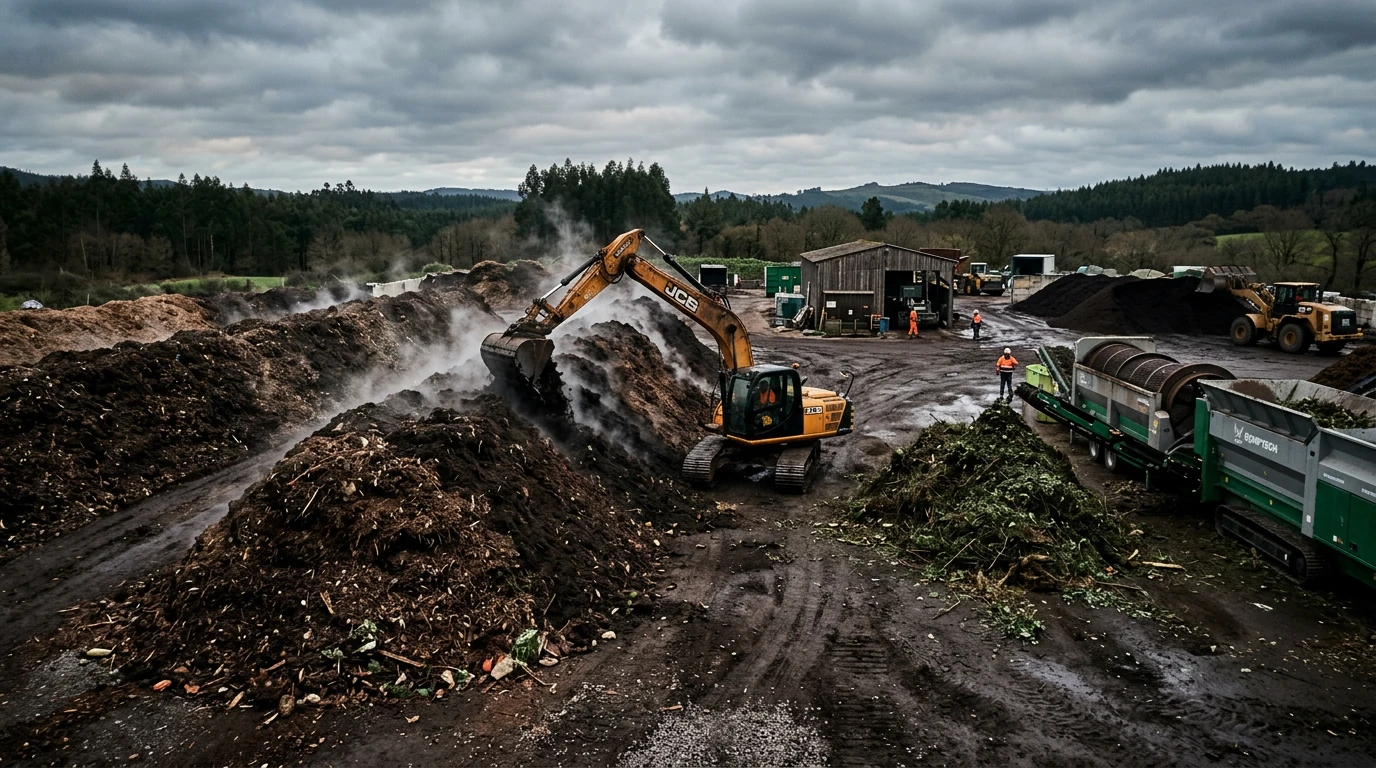
Composting facility
Significant
Average savings on food and organic waste
What We Cover

Every organic waste stream
negotiated for less

From commercial kitchen waste to grease traps and green waste, we negotiate rates across every organic category.
Kitchen waste collection
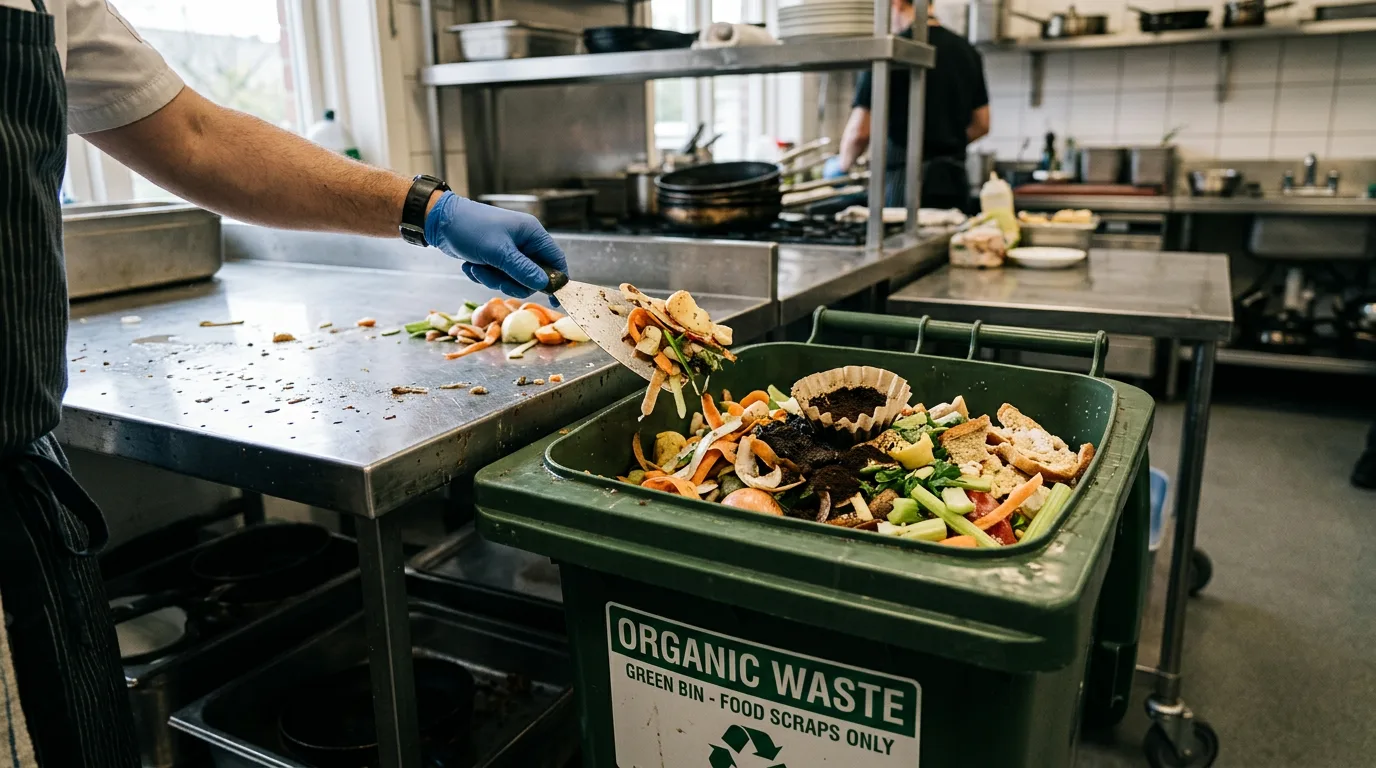
Kitchen Waste Collection
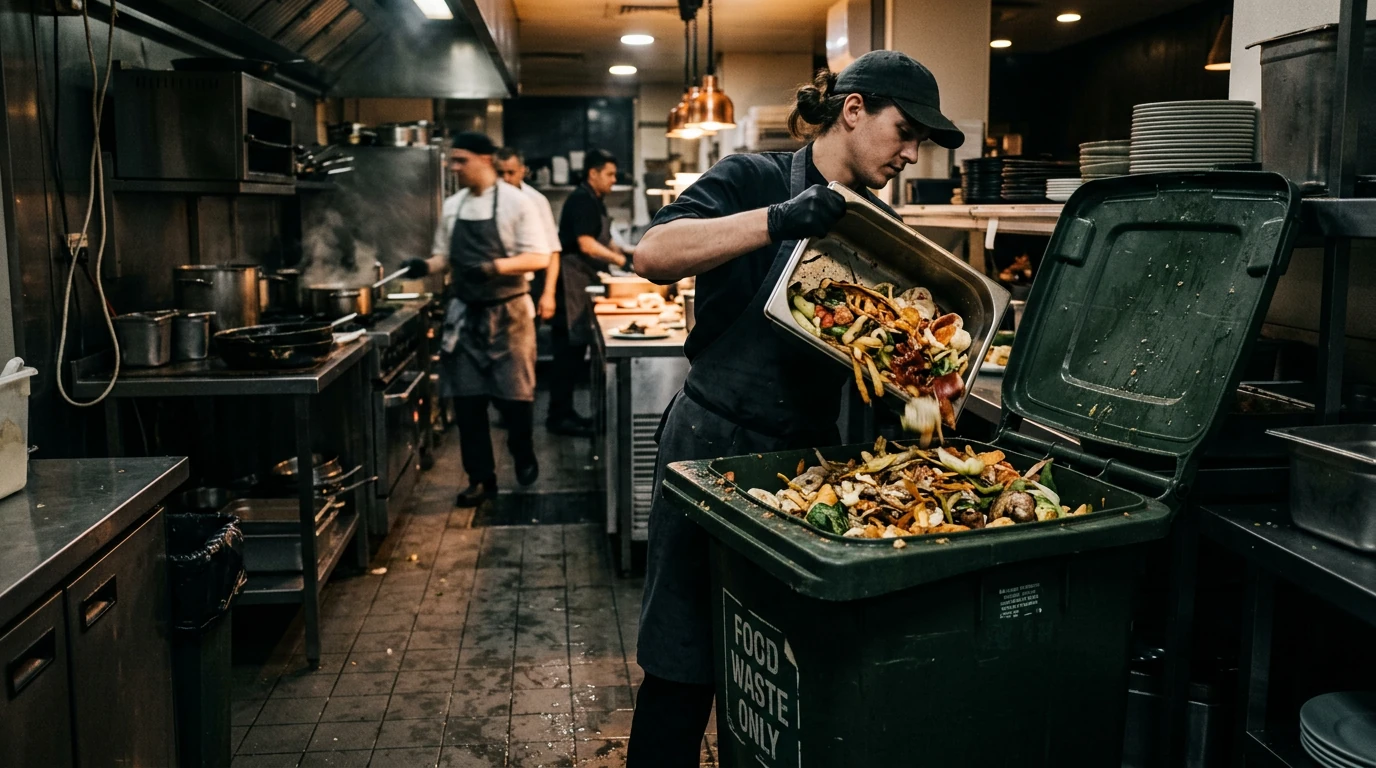
Commercial food waste collection from restaurants, hotels, and cafes. We negotiate collection frequencies, bin sizes, and per-lift rates that match your actual waste volumes — not inflated estimates.
Composting services
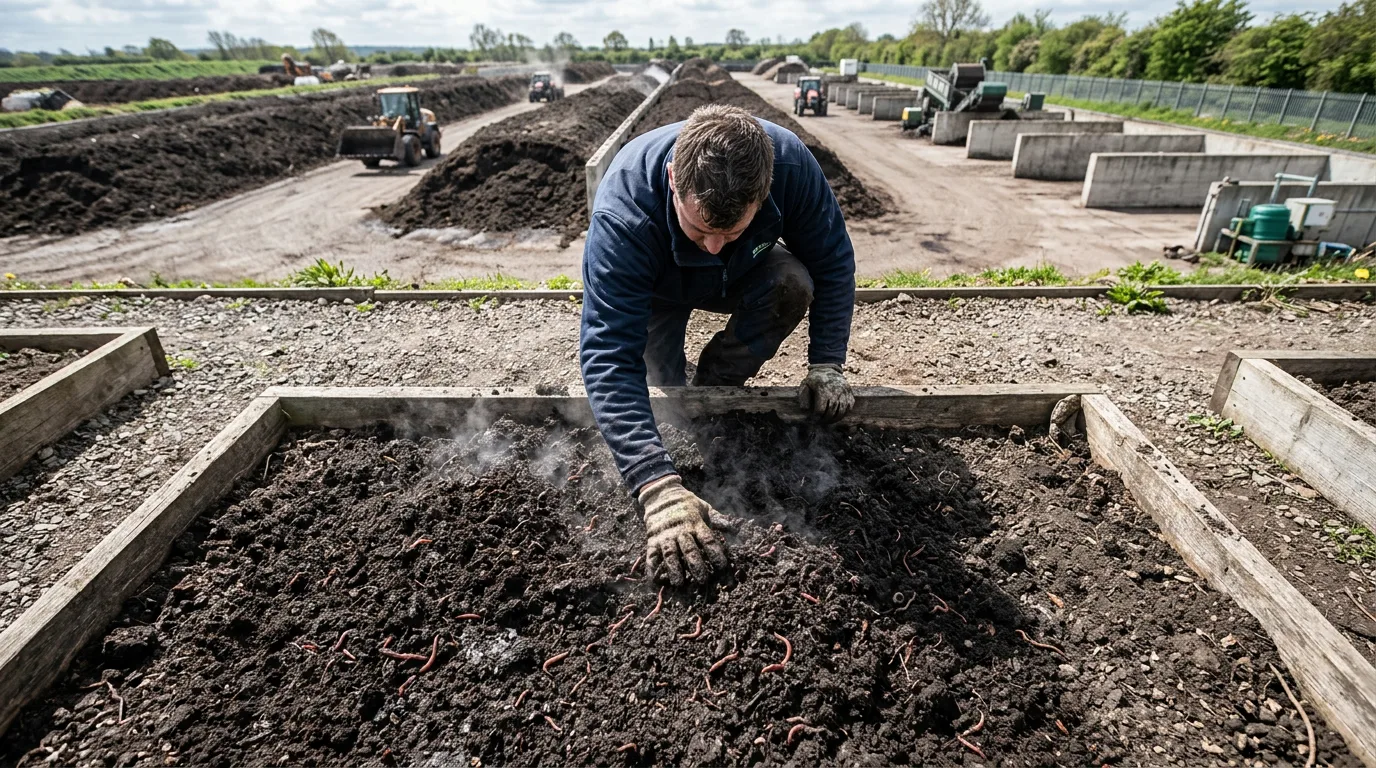
Composting Services
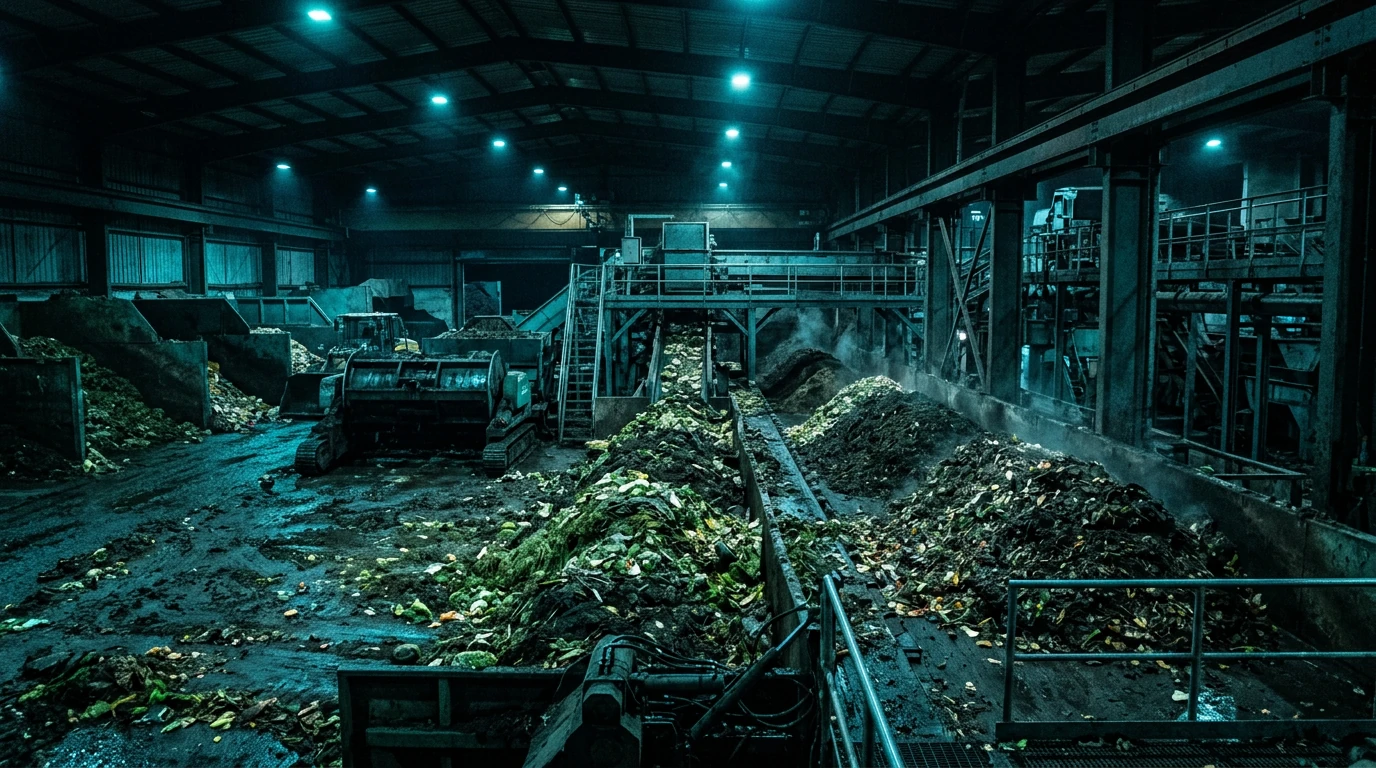
Organic waste diverted to composting costs less than landfill and delivers better environmental outcomes. We negotiate with composting facilities to get you the best rates for food and garden waste.
Grease trap services
Grease Trap Services
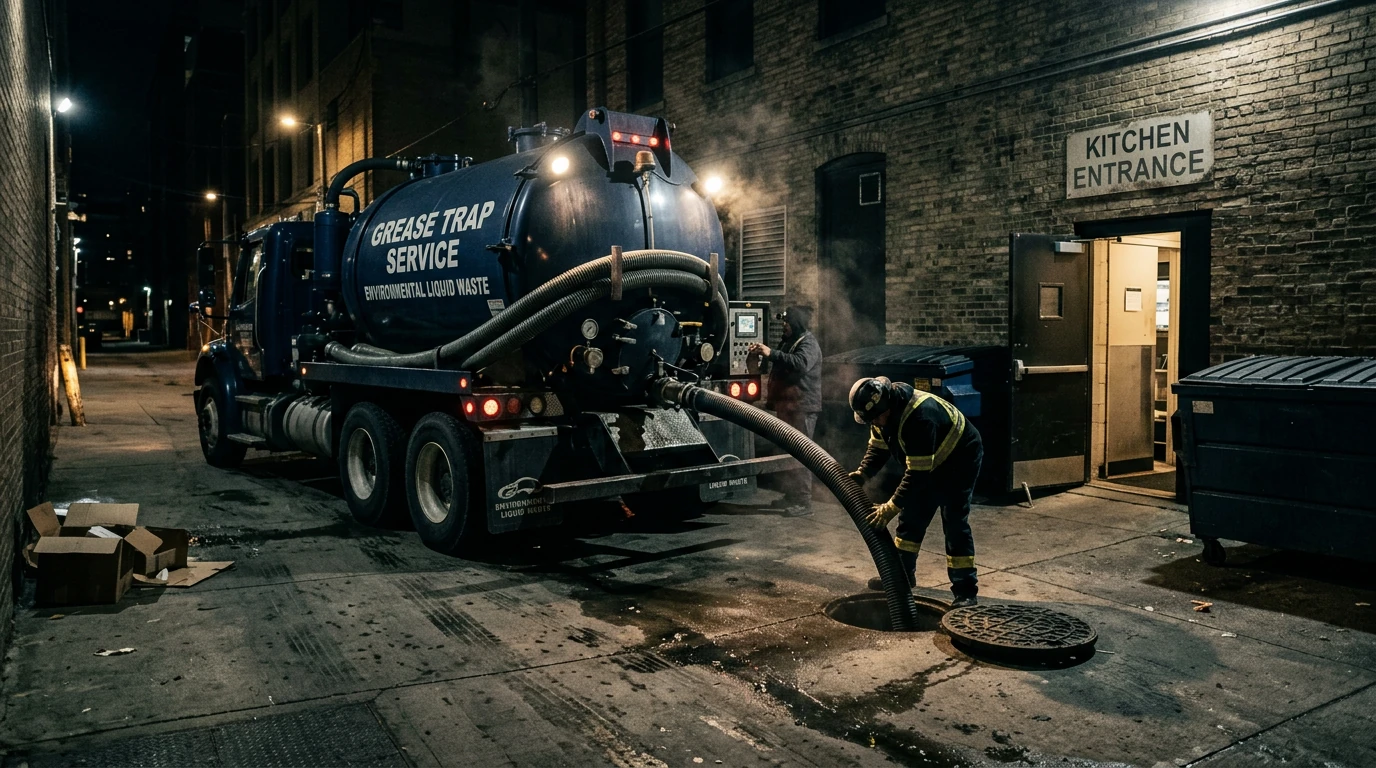
Grease trap cleaning is essential and providers know it. We negotiate pump-out frequencies, per-service rates, and emergency call-out charges to ensure you're not overpaying for a non-negotiable service.
Green waste disposal
Green Waste
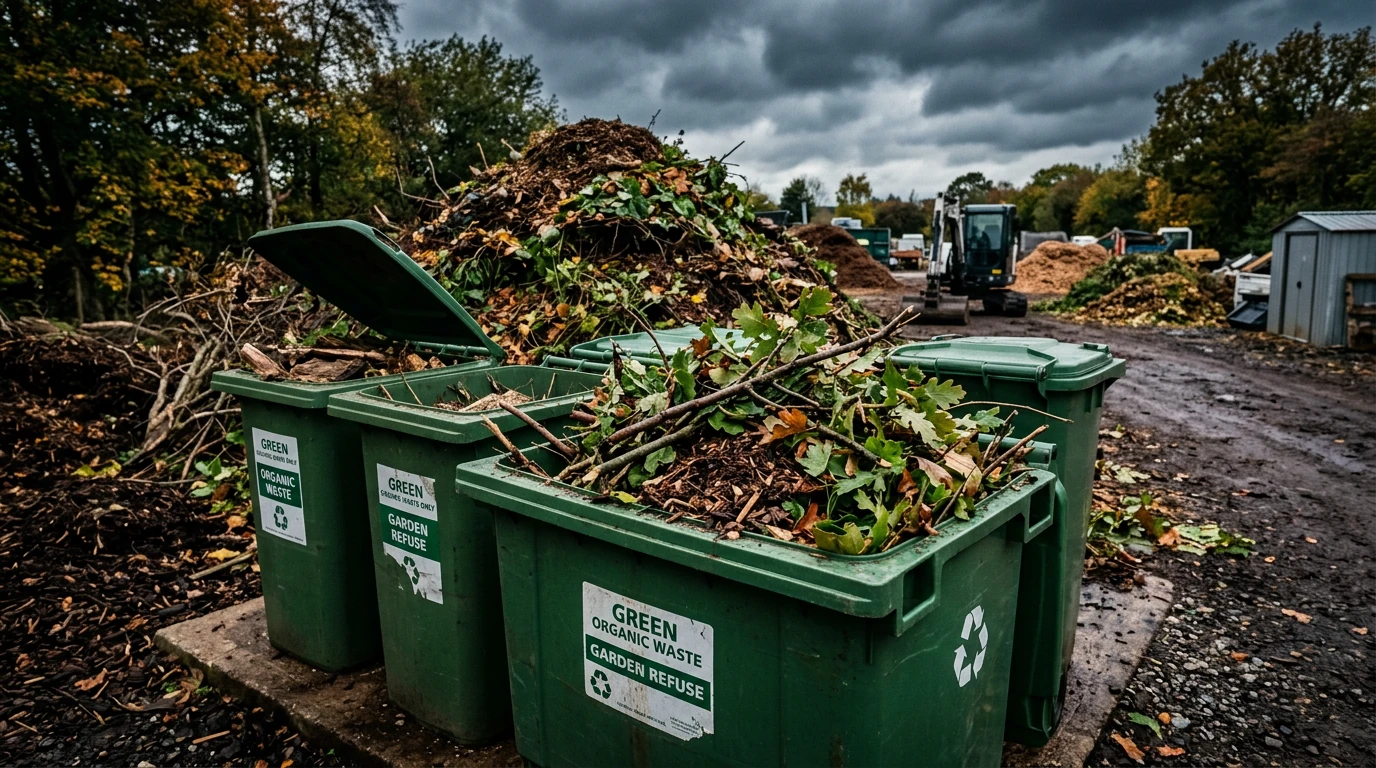
Garden waste, tree pruning, and landscaping debris. We negotiate green waste collection and processing rates with mulching and composting facilities across Melbourne.
Sustainable Savings

Divert from landfill.
Save money doing it.

Organic waste sent to landfill is expensive and environmentally damaging. Diverting to composting or anaerobic digestion typically costs less per tonne and dramatically improves your sustainability metrics.

We help businesses optimise their organic waste streams, find the best composting and processing partners, and negotiate rates that make the sustainable choice the most economical one.


Organic waste composting
Ready?

Turn food waste
into cost savings

Separate food waste collection is often cheaper than sending everything to landfill. Find out what your business could save.

Food waste Green waste Grease trap Composting Garden waste Organic recycling
Get Your Free Food Waste Audit →
Trusted in this sector
Life Space
Pentavite
Sunshine Hospital
Western Health
BekaertDeslee
Common Questions

Frequently asked
questions

Is food waste collection cheaper than general waste?+
Yes, significantly. Food and organic waste sent to composting avoids the $25.84/tonne Victorian landfill levy entirely. A 240L organics bin costs $40–$80/month compared to $80–$130 for the same size general waste bin. For restaurants and cafes generating 200–500kg of food waste weekly, switching to dedicated organics collection saves $200–$600/month.
What businesses benefit most from food waste collection?+
Restaurants, cafes, pubs, hotels, catering companies, aged care kitchens, hospital kitchens, school canteens, food manufacturers, and supermarkets see the biggest savings. Any business where food waste exceeds 30% of total waste volume (by weight) will benefit from separating organics. The average Melbourne restaurant generates 300-600kg of food waste per week.
Do you handle grease trap services?+
Yes. Grease trap maintenance is a legal requirement for any food business connected to Melbourne Water's sewerage system under the Trade Waste Agreement. Pump-out frequency depends on trap size and grease production — typically every 4-12 weeks. Costs range from80-$500 per pump-out. We negotiate service agreements that reduce per-service costs by 15-25%.
How often is food waste collected?+
Collection frequency depends on volume and whether you have refrigerated storage. Most restaurants need 2-3 collections per week. Cafes and smaller food businesses typically need 1-2 per week. We right-size your collection frequency based on actual waste generation — over-collection is common and wastes00-$300/month.
What is Victoria's organics diversion target?+
Victoria's Recycling Victoria policy targets 80% diversion of waste from landfill by 2030, with organics as a major focus. From 2025, all Victorian councils must provide FOGO (Food Organics Garden Organics) collection. Commercial operators are strongly encouraged to separate organics. Businesses that divert food waste now position themselves ahead of likely mandatory commercial organic waste regulations.
Can food waste be composted on-site?+
Yes, for businesses generating 50–200kg/day, on-site composting systems like in-vessel composters or dehydrators can reduce collection costs by 50–80%. Units cost $5,000–$25,000 depending on capacity. They reduce waste volume by up to 90% and produce reusable compost. We assess whether on-site processing makes financial sense compared to collection-based solutions for your specific volume.