
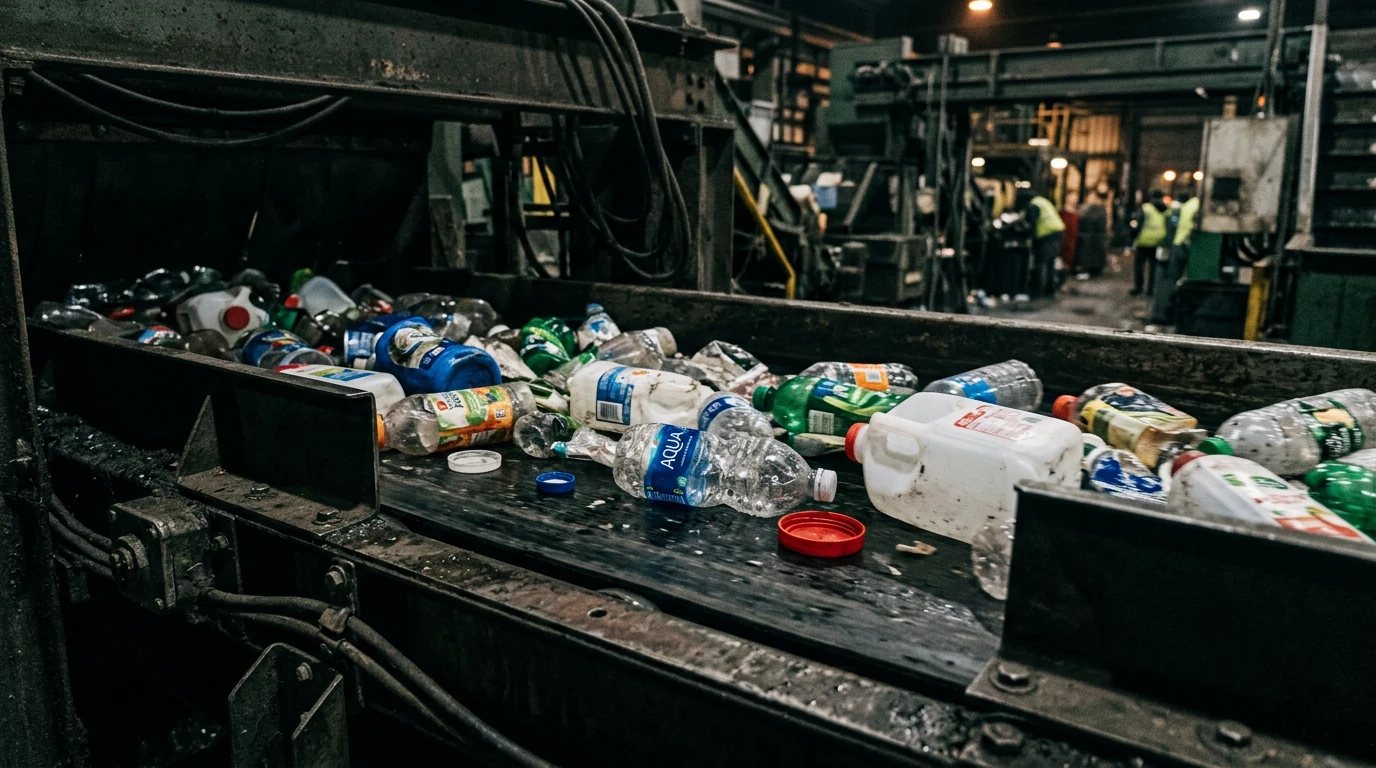
In November 2022, REDcycle — the program that collected soft plastics at Coles and Woolworths stores across Australia — collapsed after it was revealed the company had been stockpiling plastics in warehouses rather than recycling them. For businesses that had been using the program or pointing staff and customers to those collection bins, the collapse was a wake-up call: soft plastics recycling in Australia was far less established than anyone realised.
More than two years later, the landscape has changed significantly. New programs have launched, state governments have accelerated investment in soft plastics reprocessing infrastructure, and businesses now have several viable options — though none are as simple as the old drop-off bins. This guide covers what you need to know about managing soft plastic waste in your business in 2025.
What Are Soft Plastics and Why Do They Matter?
Soft plastics are any plastic that can be scrunched into a ball — plastic wrap, bubble wrap, courier satchels, bread bags, chip packets, cling film, shrink wrap, and the plastic film on pallet wrap. They are distinct from rigid plastics like bottles and containers, which are accepted in standard kerbside and commercial recycling bins.
For businesses, soft plastics are everywhere. Retail stores deal with product packaging and shopping bags. Warehouses and distribution centres generate mountains of pallet wrap and shrink film. Offices accumulate courier satchels, food packaging from staff lunches, and bubble wrap from deliveries. Hospitality venues handle cling film, food packaging, and bin liners.
The volume is significant. Australian businesses generate an estimated 250,000 tonnes of soft plastic waste annually. Before the REDcycle collapse, only a fraction of this was being collected for recycling. The rest — and now all of it, for businesses without an alternative — goes to landfill, where it takes 200 to 500 years to break down.
What Happened with REDcycle
REDcycle had operated since 2011, collecting soft plastics through bins at supermarket entrances. The plastics were supposed to be sent to manufacturers who turned them into products like fence posts, outdoor furniture, and road surfacing materials. At its peak, REDcycle claimed to divert over 5 million pieces of soft plastic from landfill daily.
The collapse revealed that from mid-2022, the company had been storing collected plastics in warehouses across Melbourne and regional Victoria rather than sending them for reprocessing. The core issue was a lack of domestic reprocessing capacity — there simply were not enough facilities in Australia to handle the volume being collected. When fires broke out at several storage locations, the EPA Victoria stepped in and the program was suspended permanently.
For businesses, the key lesson was uncomfortable: just because waste goes into a recycling collection program does not mean it is actually being recycled. Due diligence on your waste provider's processing chain is essential.
Current Options for Business Soft Plastics Recycling
Curby Soft Plastics Program
Launched by the Soft Plastics Taskforce (a collaboration between the Australian, state, and territory governments, Coles, Woolworths, and industry groups), Curby is the primary replacement for REDcycle. The program is being rolled out progressively across Australian council areas, allowing soft plastics to be placed in household recycling bins inside a tied bag.
For businesses, Curby is relevant mainly as context — it demonstrates that the infrastructure for soft plastics reprocessing is being built. However, most commercial waste contracts do not include Curby compatibility. Businesses need separate arrangements.
Commercial Soft Plastics Collection Services
Several waste management companies now offer dedicated soft plastics collection for commercial clients. These services typically involve placing dedicated collection bins or bags at your premises, with scheduled pickups that feed into established reprocessing supply chains. Providers include Plastic Forests (based in Albury, NSW), Replas (Melbourne), and Close the Loop (Melbourne).
For businesses generating significant volumes — warehouses, distribution centres, large retail operations — this is usually the most practical option. Collection costs vary depending on volume, location, and contamination levels, but are typically competitive with or cheaper than sending the same volume to landfill as general waste.
Pallet Wrap and Shrink Film Programs
If your business primarily generates pallet wrap (stretch film) and shrink wrap, you are in a better position than most. Clean, single-polymer pallet wrap has strong commodity value and is readily accepted by recyclers. Many commercial recycling providers will collect baled pallet wrap at no charge or even pay for clean material in sufficient volumes.
The key requirements are separation and cleanliness. Pallet wrap must be collected separately from other soft plastics, kept free of labels, tape, and contaminants, and ideally baled or compacted for efficient collection. Investing in a small baler can pay for itself within months if you generate enough volume.
Return-to-Supplier Programs
Some product manufacturers and distributors accept packaging back for recycling through their own supply chains. This is particularly common in the food industry, where major distributors like Metcash, PFD Foods, and Bidfood are increasingly offering packaging take-back as part of their delivery service. If your business receives regular deliveries from major suppliers, ask about packaging return options.
What Businesses Should Do Now
1. Audit Your Soft Plastic Waste Streams
Before exploring collection options, understand what you are actually generating. A waste audit that specifically categorises soft plastics will reveal whether you are dealing with clean single-polymer films (high recycling value), mixed soft plastics (moderate value), or contaminated soft plastics (difficult to recycle). This determines which collection option is most appropriate and cost-effective.
2. Separate at Source
The single biggest thing you can do to improve soft plastics recycling outcomes is separate soft plastics from your general waste stream. Even if you do not yet have a dedicated collection service, separating now does two things: it gives you accurate data on volumes (which you need to get competitive quotes from collection services) and it reduces contamination in your existing recycling stream.
3. Prioritise Reduction
The most effective soft plastics strategy is to generate less of it. Review your procurement to identify where soft plastic packaging can be eliminated or replaced. Switch to reusable transit packaging where possible. Ask suppliers to reduce unnecessary packaging layers. Many businesses find they can reduce soft plastic waste by 20-30% through procurement changes alone.
4. Demand Transparency from Providers
If you engage a soft plastics collection service, ask where the material goes. Request the names of the reprocessing facilities, the end products being manufactured, and evidence of actual processing. After REDcycle, "trust but verify" should be the standard approach. Reputable providers will welcome these questions — those who deflect them should be treated with caution.
The Regulatory Direction
Australian governments at all levels are moving to address soft plastics through regulation. Victoria's EPA has strengthened its enforcement around waste stockpiling following the REDcycle fires. The federal government's National Plastics Plan sets targets for 70% of plastic packaging to be recycled or composted by 2025 and for all packaging to be reusable, recyclable, or compostable by 2025 — targets that are driving investment in reprocessing infrastructure.
Several states are also investigating or implementing soft plastics bans for landfill, similar to the e-waste landfill bans already in place. While no state has implemented a commercial soft plastics ban yet, the direction of policy is clear. Businesses that establish soft plastics recycling systems now will be ahead of the curve when regulations tighten.
Cost Considerations
The cost of soft plastics recycling for businesses depends heavily on volume, material type, and contamination levels. As a general guide:
- Clean pallet wrap in volume: Often collected free or at a small rebate — this material has commodity value
- Mixed clean soft plastics: Collection typically costs $150-$400 per pickup, depending on volume and frequency
- Contaminated or low-volume soft plastics: These are the most expensive to recycle and may cost more than landfill disposal in the short term
However, the cost comparison should not be made in isolation. Factor in the landfill levy (currently $106.19 per tonne in metropolitan Victoria), which applies to soft plastics sent to landfill. Factor in the reputational value of demonstrable recycling programs, particularly if your business reports on sustainability. And factor in the likely increase in landfill levies and potential future soft plastics disposal restrictions.
Getting Help
Navigating the post-REDcycle soft plastics landscape can be confusing, particularly for businesses that lack in-house sustainability expertise. A waste management partner can assess your soft plastics volumes, identify the most cost-effective collection option for your specific situation, and negotiate with providers on your behalf.
At Bundle Waste, we help Melbourne businesses find practical, affordable soft plastics solutions. Whether you are a warehouse generating tonnes of pallet wrap or an office producing modest volumes of packaging film, we can connect you with the right collection service and ensure your soft plastics are actually being recycled — not stockpiled. Contact us for a free waste assessment.