Sustainability
3 min read
By Pedro Carreira
Updated 25 June 2026
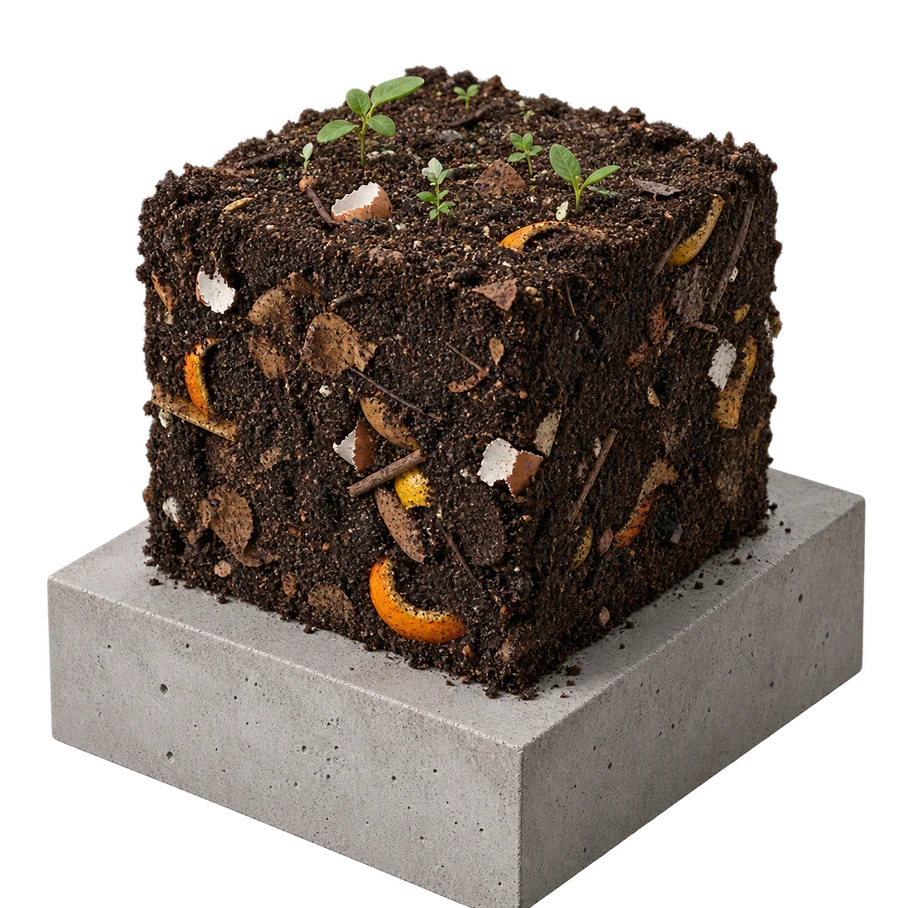
Three tiers: (1) Prevention — audit your menu/ordering to reduce overproduction (saves up to 15% on food costs), (2) Redistribution — donate edible surplus via OzHarvest or SecondBite (tax deductible), (3) Organics recovery — separate food scraps into a dedicated organics bin for commercial composting ($0.08-0.15/kg vs $0.15-0.25/kg for landfill).
A cafe diverting 80% of food waste from general to organics can save $80-150/month and reduce landfill emissions by up to 70%.
Key Numbers
- Organics processing cost vs landfill: $0.08–0.15/kg vs $0.15–0.25/kg
- Monthly saving for a cafe diverting 80% of food waste: $80–150
- Food-cost saving from prevention: up to 15%
- Landfill-emission reduction achievable: up to 70%
What You Need to Know
Food waste is the one stream where reducing it pays twice — lower food costs and lower disposal costs. Work the tiers in order, because prevention is worth more than any bin.
- Prevention: audit menu and ordering to cut overproduction — saves up to 15% on food costs.
- Redistribution: donate edible surplus via OzHarvest or SecondBite — tax-deductible.
- Organics recovery: a dedicated organics bin processes at $0.08–0.15/kg versus $0.15–0.25/kg for landfill.
- Result: a cafe diverting 80% of food waste saves $80–150/month and cuts landfill emissions by up to 70%.
Separate food collection is exactly the direction set by Recycling Victoria — A New Economy, with FOGO rolling out statewide by 2030. As an independent broker, Bundle Waste audits your invoice for free, compares a network of providers to set up organics correctly, and is paid only from the savings we find.
Related Resources
Related Questions
What is an organic waste collection and does my business need one?+
Organic waste collection is a separate bin for food scraps, garden waste, and compostable materials, sent to commercial composting facilities instead of landfill. You need one if food waste makes up 30%+ of your general waste (common in hospitality, cafes, supermarkets, aged care). Organics processing costs $0.08-0.15/kg vs general waste at $0.15-0.25/kg — switching 200kg/week of food waste from general to organics saves $60-200/month plus reduces your landfill levy exposure.
What is the Victorian landfill levy and how does it affect my costs?+
The Victorian landfill levy is a state government charge on every tonne of waste sent to landfill. For 2025-26, it is $169.79/tonne for metropolitan Melbourne (up from $129.27 in 2024-25). This levy is passed through to businesses via their waste provider, typically adding $5-15 per lift for a 1100L bin. The levy has risen well above CPI in recent years. Diverting waste to recycling and organics avoids the levy entirely, making diversion financially compelling.
How does glass recycling work for commercial businesses?+
Victoria introduced a separate glass recycling stream (purple-lid bins) under the four-stream system. Commercial businesses can request a dedicated glass bin from their provider — common in hospitality venues generating 50+ glass bottles per week. Glass collection costs $40-70/month for a 240L bin (weekly). Under Victoria's Container Deposit Scheme (launched 2023), eligible containers earn $0.10 each — a busy bar recycling 500 bottles/week could earn $50/week ($2,600/year) through a scheme coordinator.
How can I reduce packaging waste in my supply chain?+
Five strategies: (1) Ask suppliers to use returnable packaging (saves up to 40% on packaging waste), (2) Switch from expanded polystyrene to recyclable alternatives, (3) Consolidate deliveries to reduce packaging frequency, (4) Join the Australian Packaging Covenant Organisation (APCO) for guidance and industry benchmarks, (5) Use a cardboard baler to compact and sell cardboard — businesses generating 1+ tonne/month of cardboard can earn $50-150/month from recyclers. Bundle Waste connects clients with cardboard buyers.
See exactly what you are overpaying
Bundle Waste reviews your current waste invoices and benchmarks them against a network of Melbourne providers — free, with a written report in 5 business days. You will see what you pay now, where the hidden charges are, and the rate we can negotiate. You only pay from the savings we find: no savings, no fee.
Get my free waste audit →
Updated 25 June 2026