Get a free audit

Recycling
without the guesswork.

Cardboard, comingle, plastics, glass and paper — better recycling rates that improve your bottom line and your environmental footprint.

Review my setup ↗
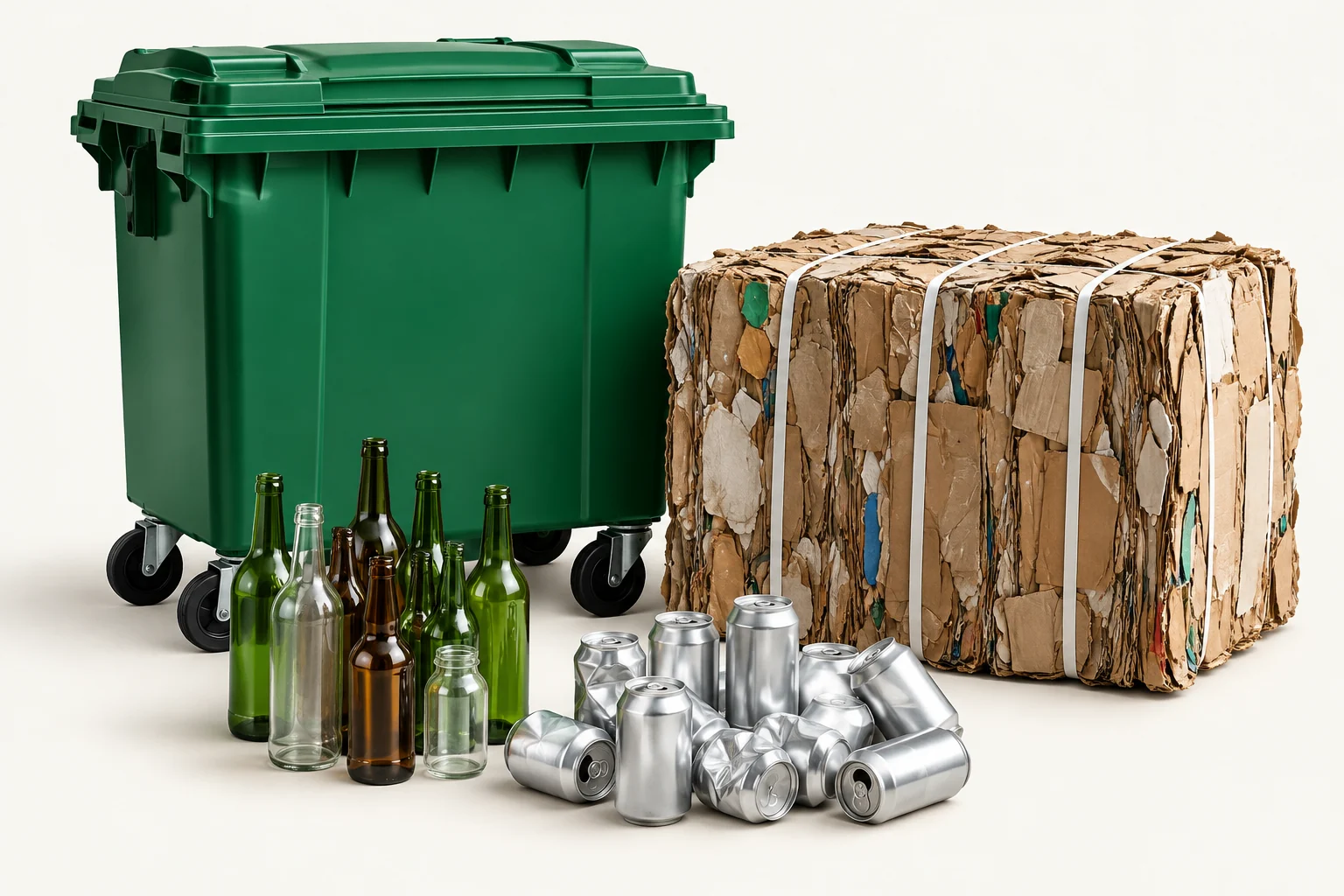
Illustration of Recycling collection equipment and materials
What we cover

Find the right setup.

Comingle Recycling

Comingle Recycling

Mixed recyclables — bottles, cans, plastics — collected in a single stream. We negotiate collection frequencies, contamination thresholds, and per-lift rates that reflect actual processing costs.

Cardboard & Paper

Cardboard & Paper

Cardboard and paper recycling should generate rebates, not costs. We negotiate collection rates and ensure you're getting fair value for clean, source-separated fibre streams.

Plastics Processing

Plastics Processing

Plastic recycling rates vary wildly between providers and resin types. We know which processors offer the best rates for your specific plastic waste streams and negotiate accordingly.
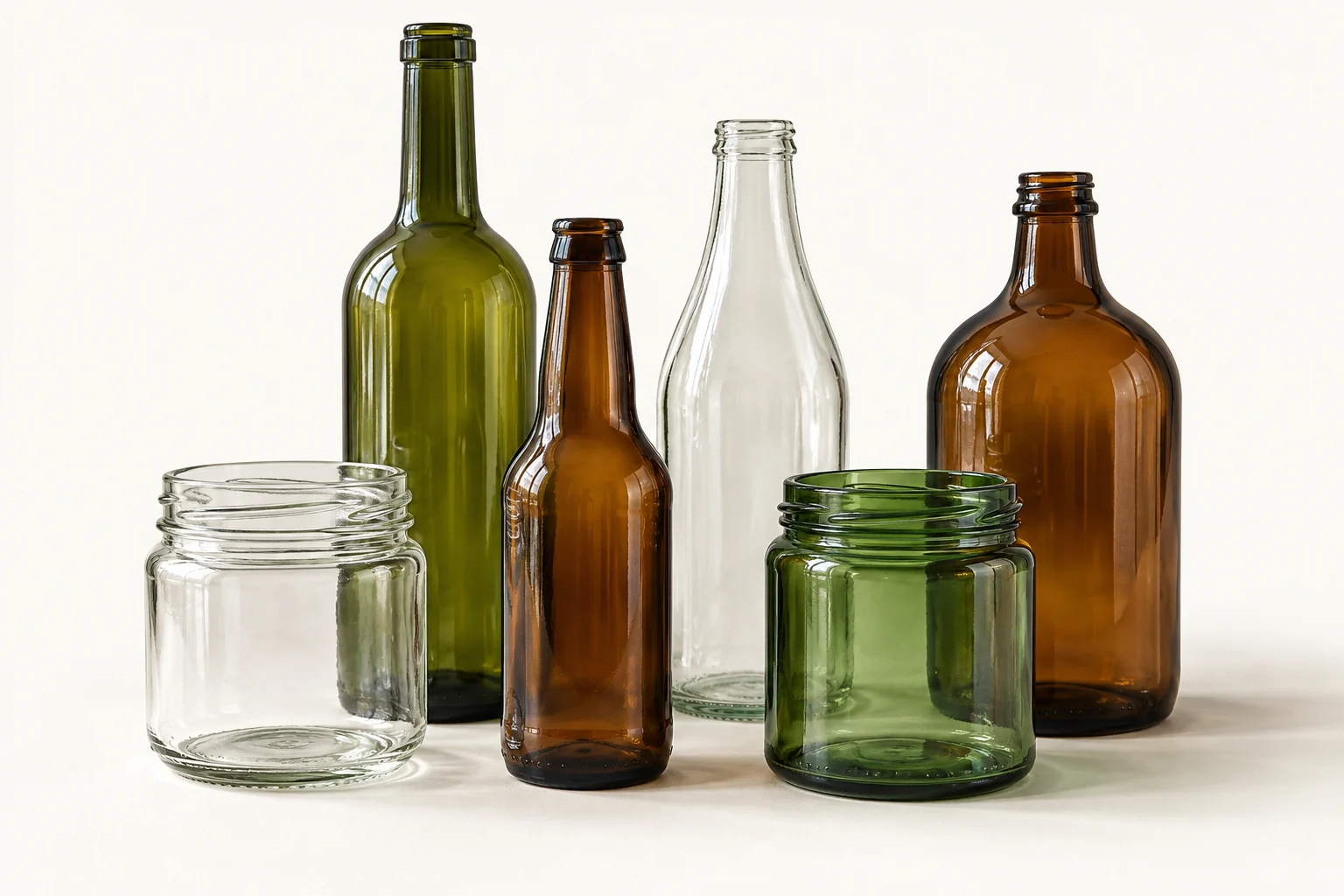
Glass Recycling

Glass Recycling

Glass recycling attracts specific handling and processing costs. We negotiate with specialist glass recyclers to ensure your rates are competitive and your glass is actually being recycled, not landfilled.

The practical details

What shapes
the plan?

A useful comparison starts with your actual operation.
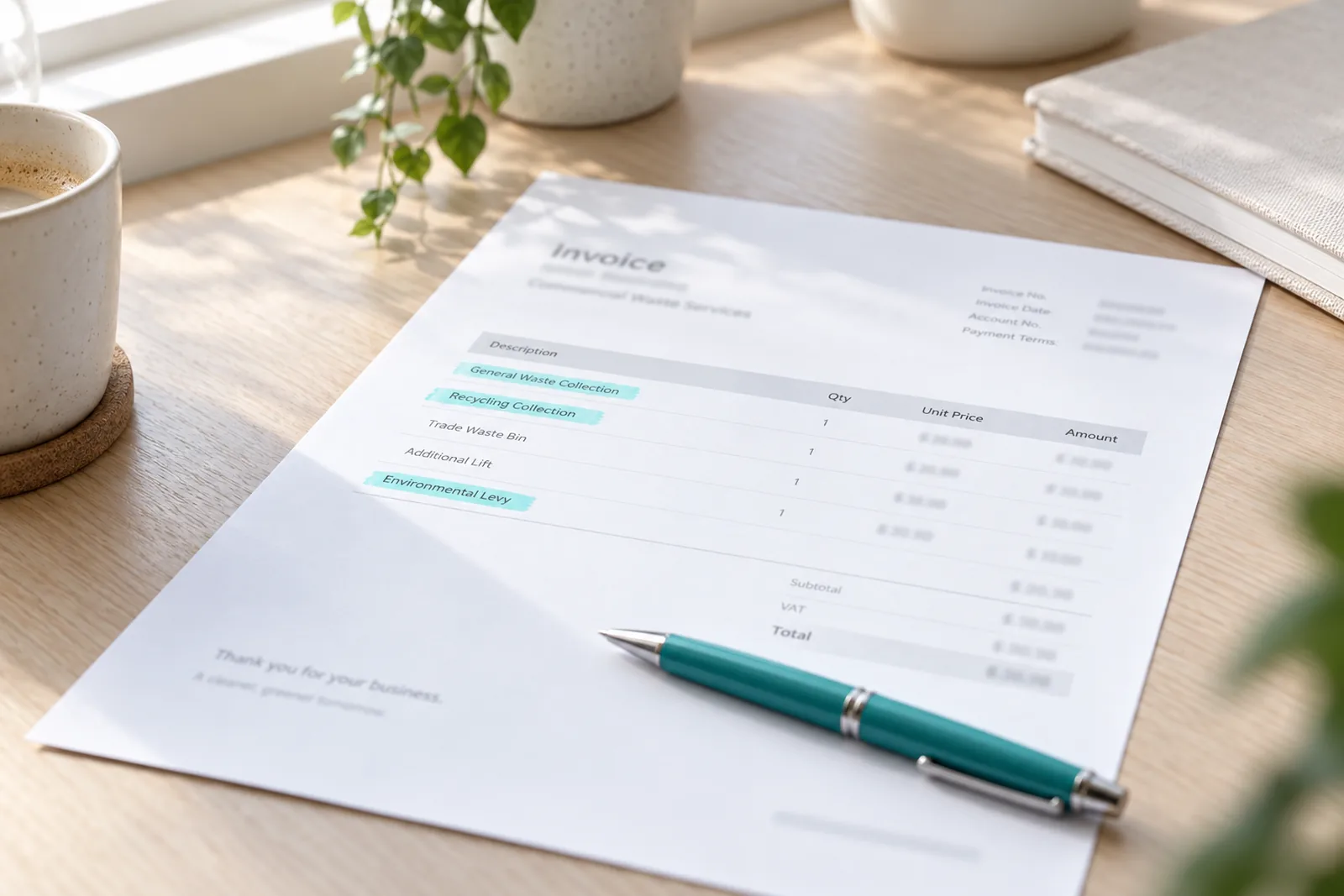
Illustrated invoice to review
01

Volume

The amount produced and the bin or storage arrangement required.

02

Collection frequency

How quickly material builds up between collections.

03

Site access

Loading areas, vehicle access and restrictions at your premises.

04

Material separation

What the stream contains and how it is kept apart from other waste.

Waste types we negotiate
  • commingled recyclables
  • cardboard
  • paper
  • plastics
  • glass
  • metals
  • aluminium cans
  • steel cans
Bin & container types
  • 240L wheelie bin
  • 360L wheelie bin
  • 660L front-lift
  • 1100L front-lift
  • cardboard baler
  • cage bin
Same service, less cost

Same bins. Same frequency. Lower invoice.

We don't change your waste operations — we change what you pay for them. If we can't save you money, you owe us nothing.

Recycling should save you money. Not cost more.

Recycling services are supposed to be cheaper than general waste — but many businesses pay premium rates because they've never negotiated. Providers know that businesses committed to recycling will pay whatever it takes, and they price accordingly.

Bundle Waste negotiates recycling rates across Melbourne. We work with recyclers, MRFs, and collection providers to secure pricing that rewards your recycling efforts rather than punishing them. Better rates, better diversion, better outcomes.

Better for the planet. Better for your budget.

Improving your recycling doesn't have to cost more. In many cases, increasing diversion from general waste to recycling streams actually reduces total waste costs — because recycling rates are typically lower than landfill rates.

We help businesses optimise their waste stream mix, improve source separation, and negotiate recycling rates that make the environmental choice the economical one too.

Before collection

Keep the details
clear.

Confirm the materials, containers and preparation requirements with your collection provider. Acceptance depends on the service arranged for your site.
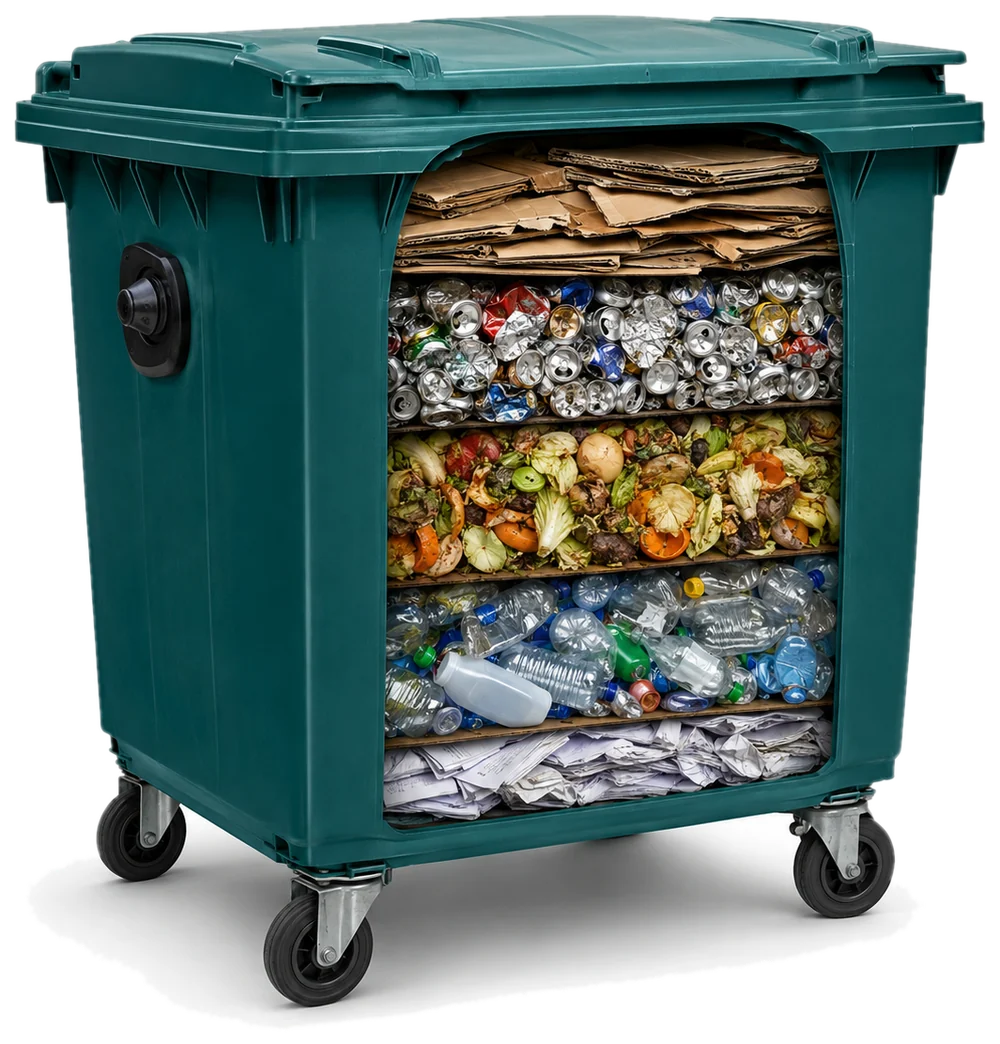
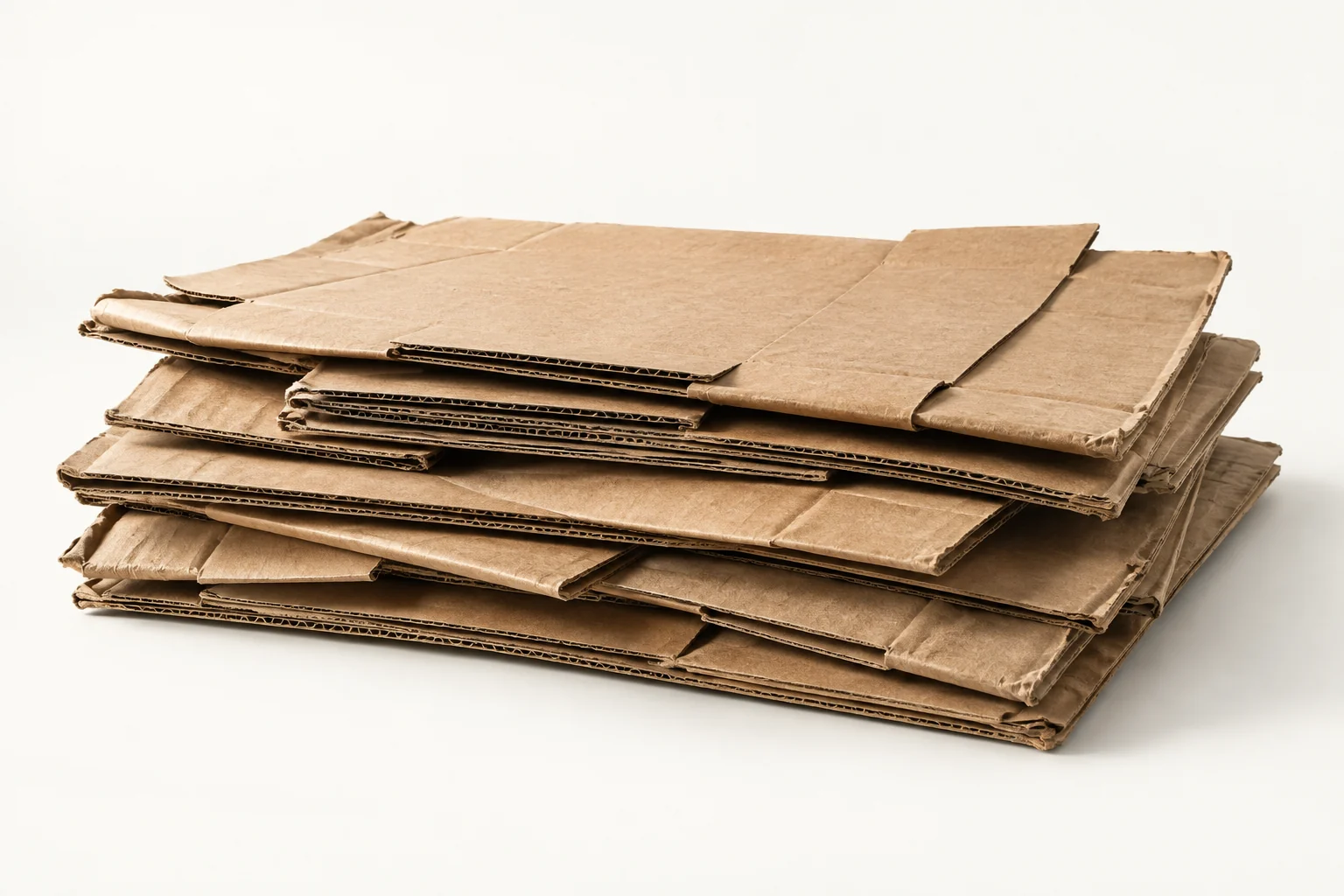
Illustration of a commercial bin with its contents shown in cross-section
Commingled recyclables
Illustration of cardboard
Cardboard
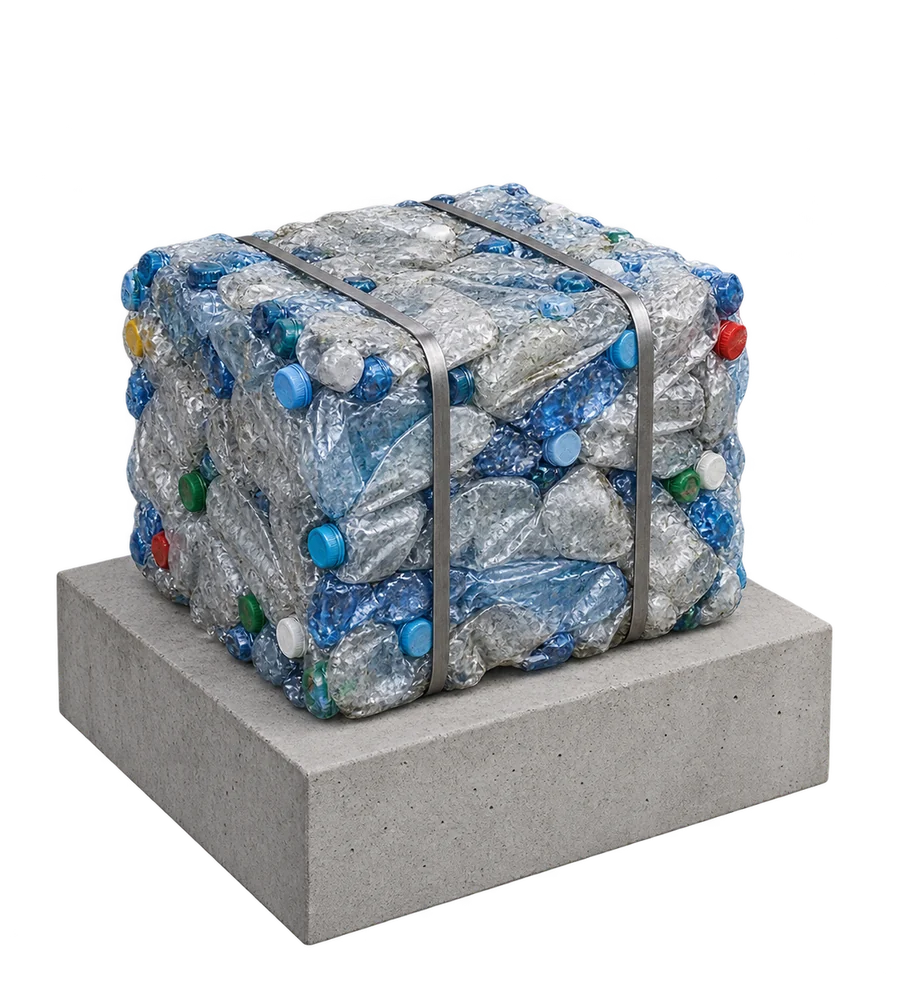
Illustration of plastics
Plastics
Common questions

Recycling FAQ.

Can recycling actually save me money?
Yes. Recycling is 30–50% cheaper than general waste disposal in Melbourne because it avoids the $169.79/tonne landfill levy. A 1,100L comingle recycling bin costs $90–$160/month versus $180–$280 for general waste. By improving your recycling diversion rate from the typical 25% to 50–60%, you can reduce total waste costs by 15–25%.
What recyclable materials do you cover?
We negotiate rates for all commercial recyclable streams: comingle (mixed containers — plastic bottles, aluminium cans, glass, steel), cardboard and paper (including secure destruction), soft plastics, organic waste, timber pallets, scrap metal, e-waste, and specialty streams like polystyrene. Each stream has different pricing and collection requirements. For soft plastics specifically, see what happened to soft plastics recycling after REDcycle collapsed and the alternatives that replaced it.
How do you improve recycling diversion rates?
We implement a four-step approach: audit your current waste composition, right-size your bins (most businesses have too much general waste capacity and too little recycling), install clear signage meeting AS 4123 colour-coding standards, and provide staff training materials. On average, our clients improve their diversion rate by 20-30 percentage points within 3 months.
Do you provide recycling bins and signage?
Yes. We coordinate bin delivery from your waste provider — including 240L, 660L, and 1,100L recycling bins — and supply compliant signage following the Australasian Recycling Label (ARL) system. Bin setup is typically included in your service agreement at no extra cost. We also supply A3 posters for staff areas showing accepted items.
What happens if recycling bins are contaminated?
Contamination above 10-15% (by weight) means your recycling load may be rejected or sent to landfill at general waste rates — costing you the landfill levy on top. In Melbourne, contamination rates average 12-18% for commercial comingle bins. We monitor your contamination levels and implement corrective measures to keep rates below the rejection threshold.
Is Victoria introducing a Container Deposit Scheme?
Yes. Victoria launched the Container Deposit Scheme (CDS Vic) on 1 November 2023, offering 10 cents per eligible container. For businesses generating significant beverage container volumes — hospitality, events, offices — this creates a new revenue stream. We help set up collection systems that separate CDS-eligible containers before they enter your comingle bin.
How do recycling rates compare across Melbourne councils?
Commercial recycling rates are set by private providers, not councils, but vary by location due to transport costs. Inner Melbourne recycling collections are typically 10-15% cheaper than outer suburbs due to shorter haul distances. We benchmark your rates against a network of providers across all Melbourne regions to ensure you are paying the lowest available rate for your area.
Ready when you are

Already have a collection contract?

Start with the invoice and the way your service works today.

Review my setup