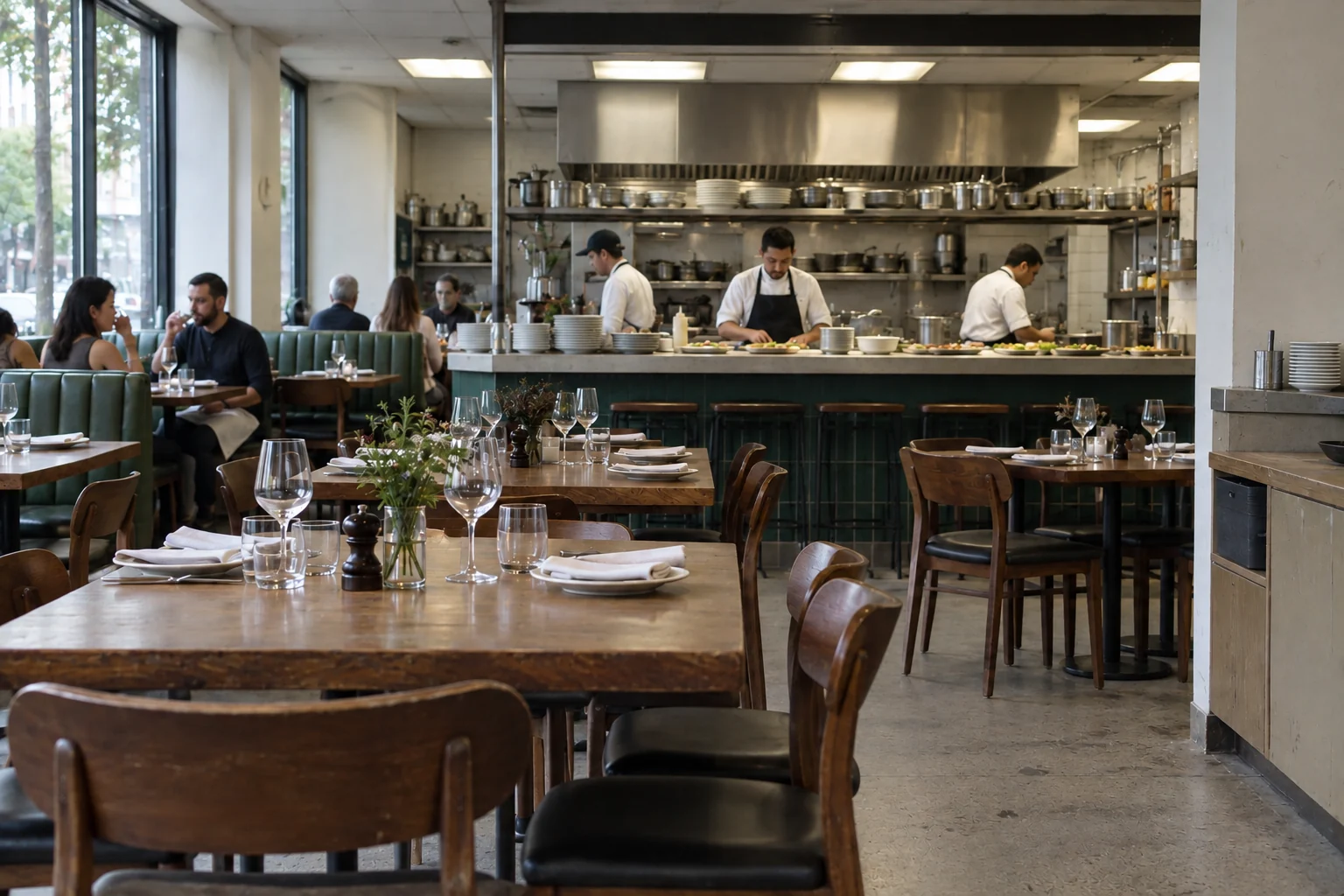
Managing waste in the restaurants & dining sector requires understanding specific waste streams, compliance requirements, and cost-effective disposal options. High volumes of food waste requiring frequent collection. Grease trap waste needs specialist disposal. Glass recycling volumes significant in licensed venues. Pest control concerns with organic waste storage. CBD restaurants face tight rear-lane access and strict collection time windows. Cooking oil disposal must go through licensed collectors — illegal dumping into drains causes sewer blockages and heavy fines. Peak periods (weekends, holidays) create waste spikes. Bundle Waste specialises in helping restaurants & dining businesses across Melbourne find the best waste management rates.
High volumes of food waste requiring frequent collection. Grease trap waste needs specialist disposal. Glass recycling volumes significant in licensed venues. Pest control concerns with organic waste storage. CBD restaurants face tight rear-lane access and strict collection time windows. Cooking oil disposal must go through licensed collectors — illegal dumping into drains causes sewer blockages and heavy fines. Peak periods (weekends, holidays) create waste spikes.
How much does restaurant waste management cost in Melbourne?+
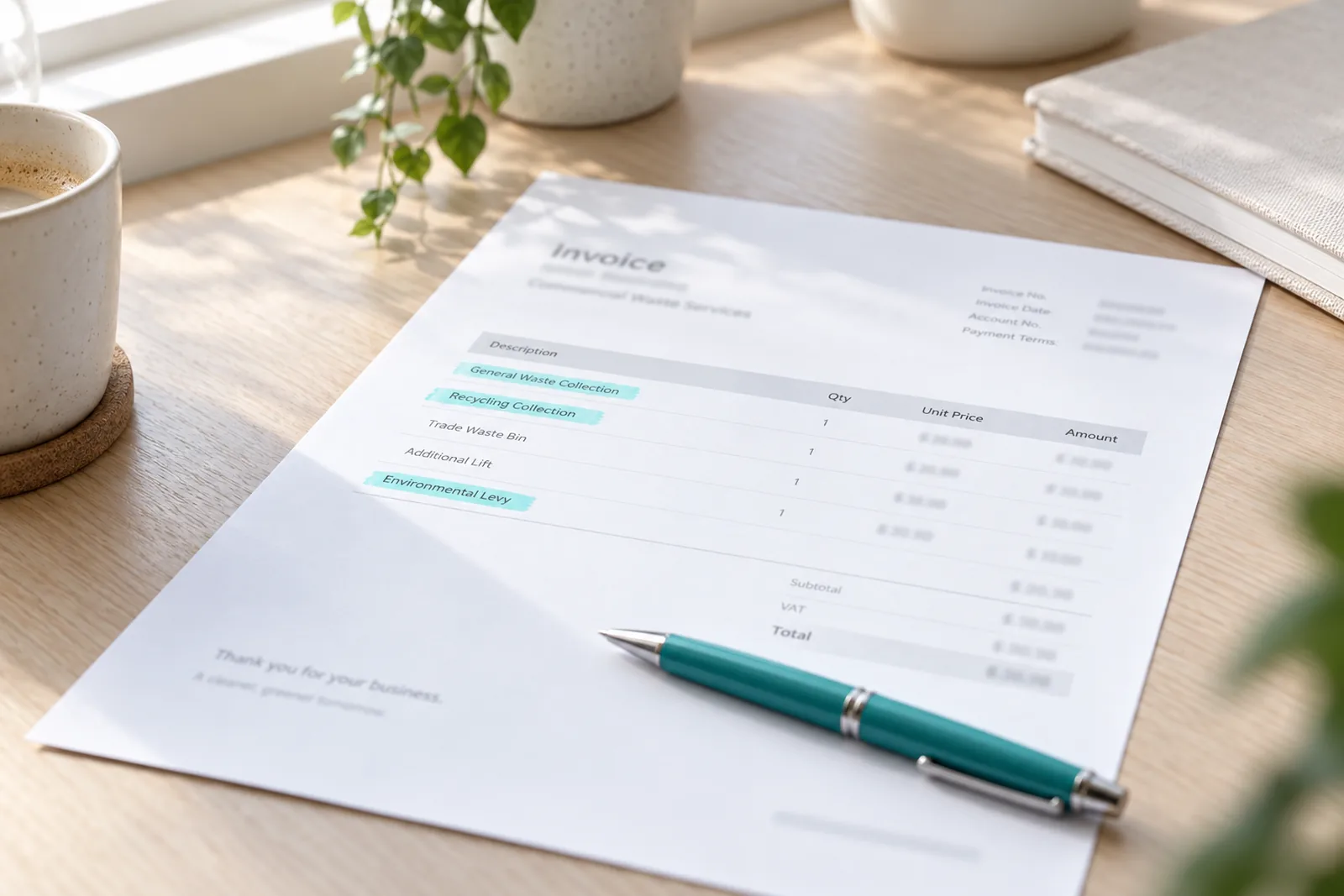
Restaurant waste management in Melbourne typically costs $500-2,500 per month depending on size and cuisine type. This includes general waste ($100-400/month), food organics ($80-300/month), recycling ($50-150/month), glass ($50-150/month), cardboard ($50-100/month), grease trap pump-outs ($150-400/quarter), and cooking oil collection (often free or rebated). CBD restaurants pay 10-20% more due to access constraints and parking levies. A waste broker can typically reduce these costs by up to 30%.
How often should restaurant grease traps be pumped out?+
Grease trap pump-out frequency depends on size and kitchen output: small cafe-style restaurants need quarterly pump-outs, busy full-service restaurants need monthly, and high-volume kitchens (fast food, Asian cuisine with high oil use) may need fortnightly. Melbourne Water mandates regular maintenance as part of trade waste agreements. Costs range from $150-400 per pump-out depending on trap size. Missing scheduled pump-outs can cause sewer blockages, resulting in fines up to $30,000 and cleanup costs.
What are the trade waste agreement requirements for restaurants in Melbourne?+
Any restaurant discharging kitchen wastewater to sewer needs a trade waste agreement with Melbourne Water (or South East Water, Yarra Valley Water, or Western Water depending on location). Requirements include: an approved grease trap or grease interceptor, regular maintenance records, compliance with discharge quality limits (fats/oils/grease under 100mg/L), and payment of trade waste fees ($300-1,500/year plus volumetric charges). Applications take 4-8 weeks. Operating without an agreement can result in fines exceeding $30,000.
How should restaurants manage cooking oil disposal?+
Used cooking oil must be collected by licensed recyclers — never poured down drains (causes $5,000+ in fines and sewer blockages). Most cooking oil collectors offer free pickup and may pay a small rebate ($0.10-0.30/litre) for large volumes. Oil should be stored in sealed drums or dedicated containers away from heat sources and drains. Collection frequency depends on kitchen type: fish and chips or Asian restaurants may need weekly collection, while others need fortnightly or monthly. Clean, uncontaminated oil has better rebate value.
Can restaurants divert food waste from landfill in Melbourne?+
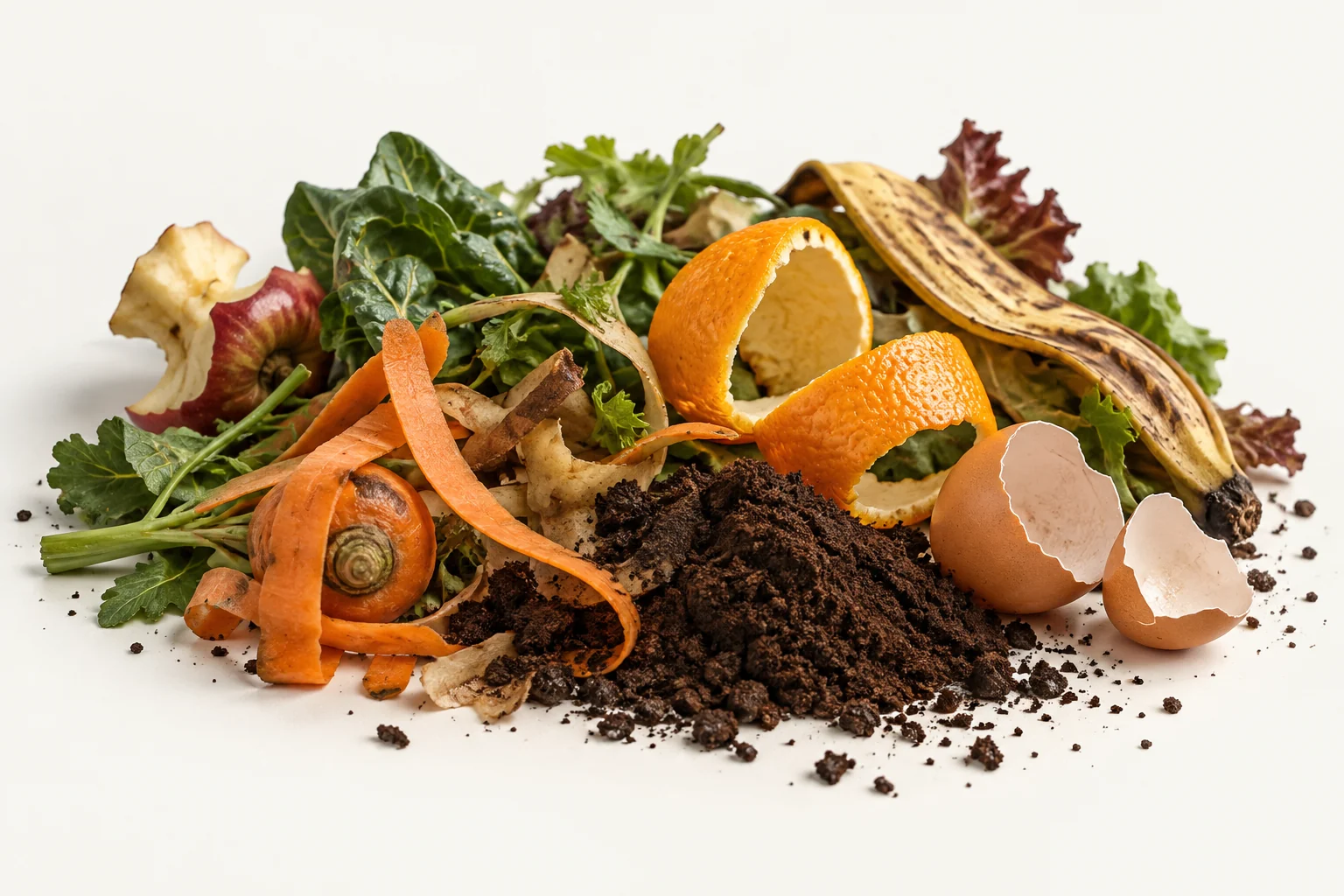
Yes, and it saves money. With general waste costing $250-350/tonne (including the $169.79 landfill levy) versus food organics processing at $60-80/tonne, every tonne diverted saves $170-290. A typical restaurant generates 200-500kg of food waste weekly. Effective diversion requires: a dedicated kitchen organics bin, staff training on what goes in (all food scraps, coffee grounds, napkins) and what doesn't (plastic, packaging), and 2-3 collections per week. Many restaurants achieve up to 50% general waste reduction through food organics diversion.
How much does grease trap servicing cost in Melbourne?+
Grease trap servicing in Melbourne costs $150–400 per service depending on trap size. A standard 1,000L trap costs $150–250, a 2,000L trap $250–400. Most food businesses need monthly or quarterly servicing. Failure to maintain grease traps can breach your trade-waste agreement, leading to penalties or suspension of your discharge consent by your water authority (such as South East Water or Yarra Valley Water).
What waste management does a Melbourne commercial smoker or BBQ restaurant need?+
BBQ and smoker restaurants generate: meat trimmings and bones (food organics or rendering), wood ash and charcoal (can be composted in small quantities), cooking oil (free collection 200L+), grease trap waste ($150–400/service), and high volumes of general waste. Monthly waste: $500–1,200. Grease trap servicing frequency increases with smoking operations. Wood ash should cool completely before disposal.
What are hazardous waste disposal costs in Melbourne?+
Hazardous waste disposal in Melbourne ranges from $2–15/kg depending on waste type. Chemical waste costs $3–8/kg, asbestos removal $50–80/m², and liquid chemical disposal $300–800 per 200L drum. All hazardous waste must be handled by EPA-licensed transporters under the Environment Protection Act 2017.
How much does clinical waste disposal cost in Melbourne?+
Clinical waste disposal in Melbourne costs $0.80–2.50/litre depending on waste category. Sharps containers (5L) cost $8–15 each, cytotoxic waste $4–8/kg, and anatomical waste $5–12/kg. Healthcare facilities typically spend $300–1,200/month. All clinical waste must comply with EPA Victoria Publication 1669.
What is the cost of waste management for restaurants in Melbourne?+
Melbourne restaurants typically spend $400–1,200/month on waste management: general waste $150–350, food organics $80–200, recycling $60–150, cooking oil $40–80, and grease trap servicing $150–400/quarter. High-volume venues (300+ covers/day) can exceed $1,500/month. Bundle Waste restaurant audits typically save up to 30%.
 Bundle Waste