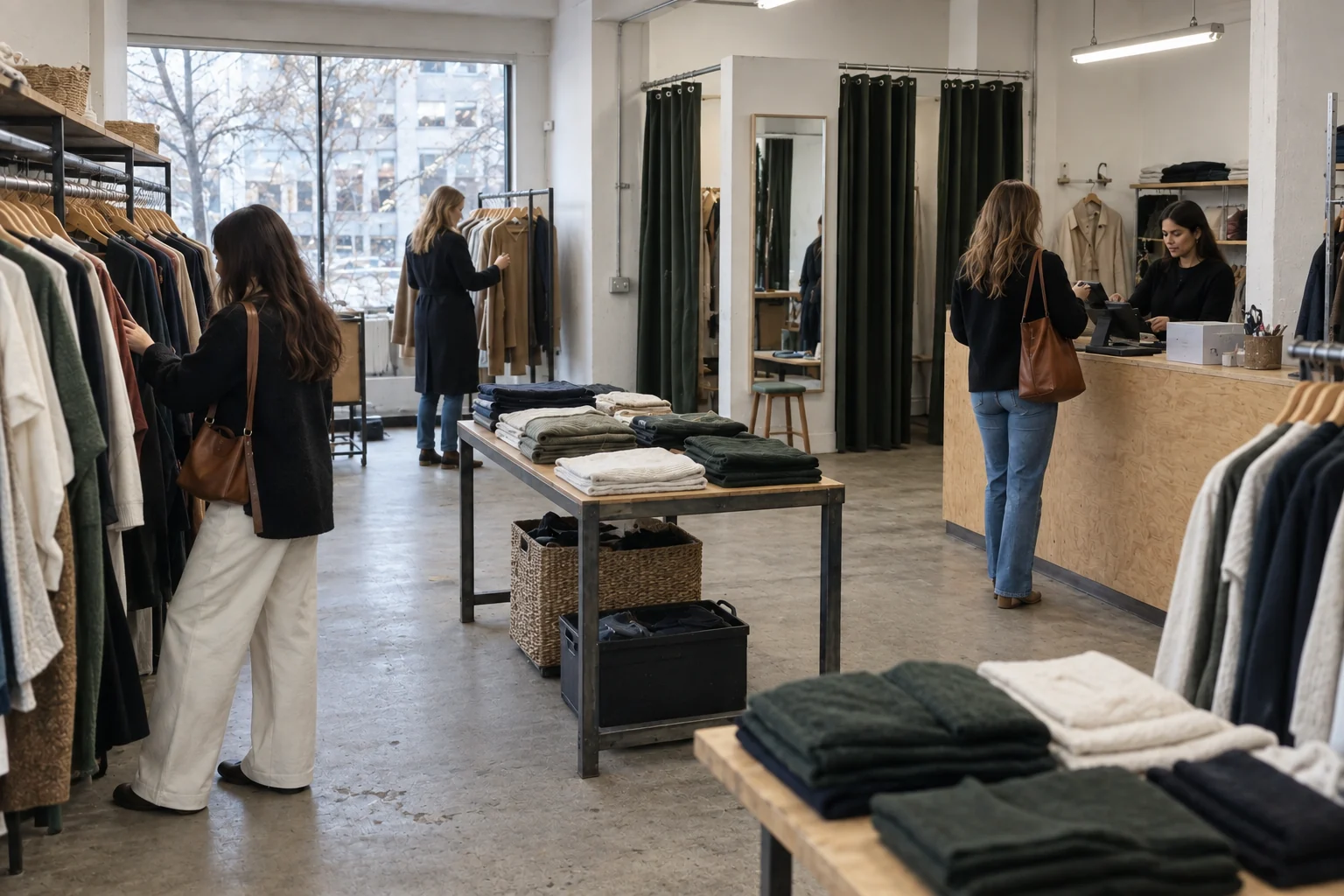
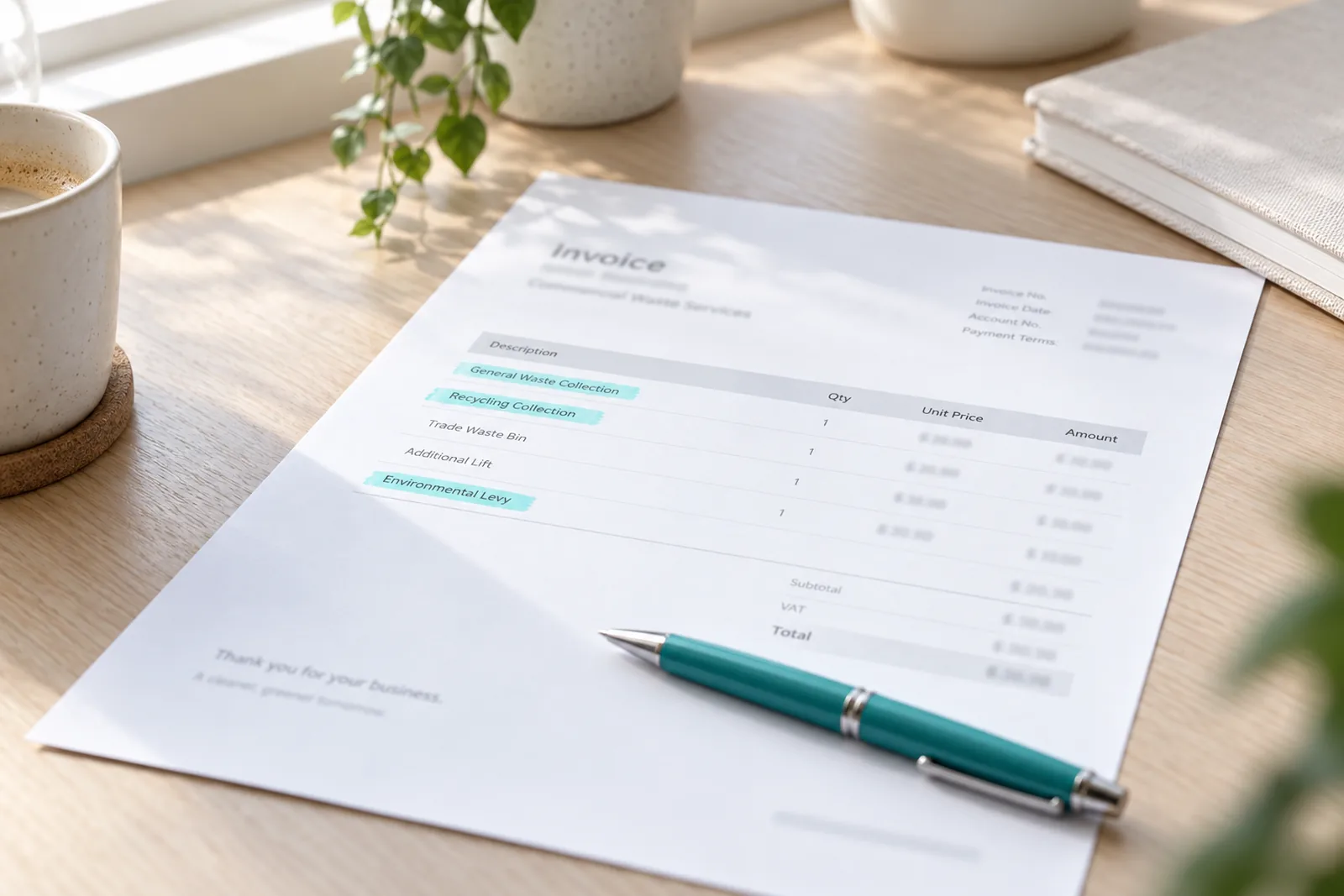
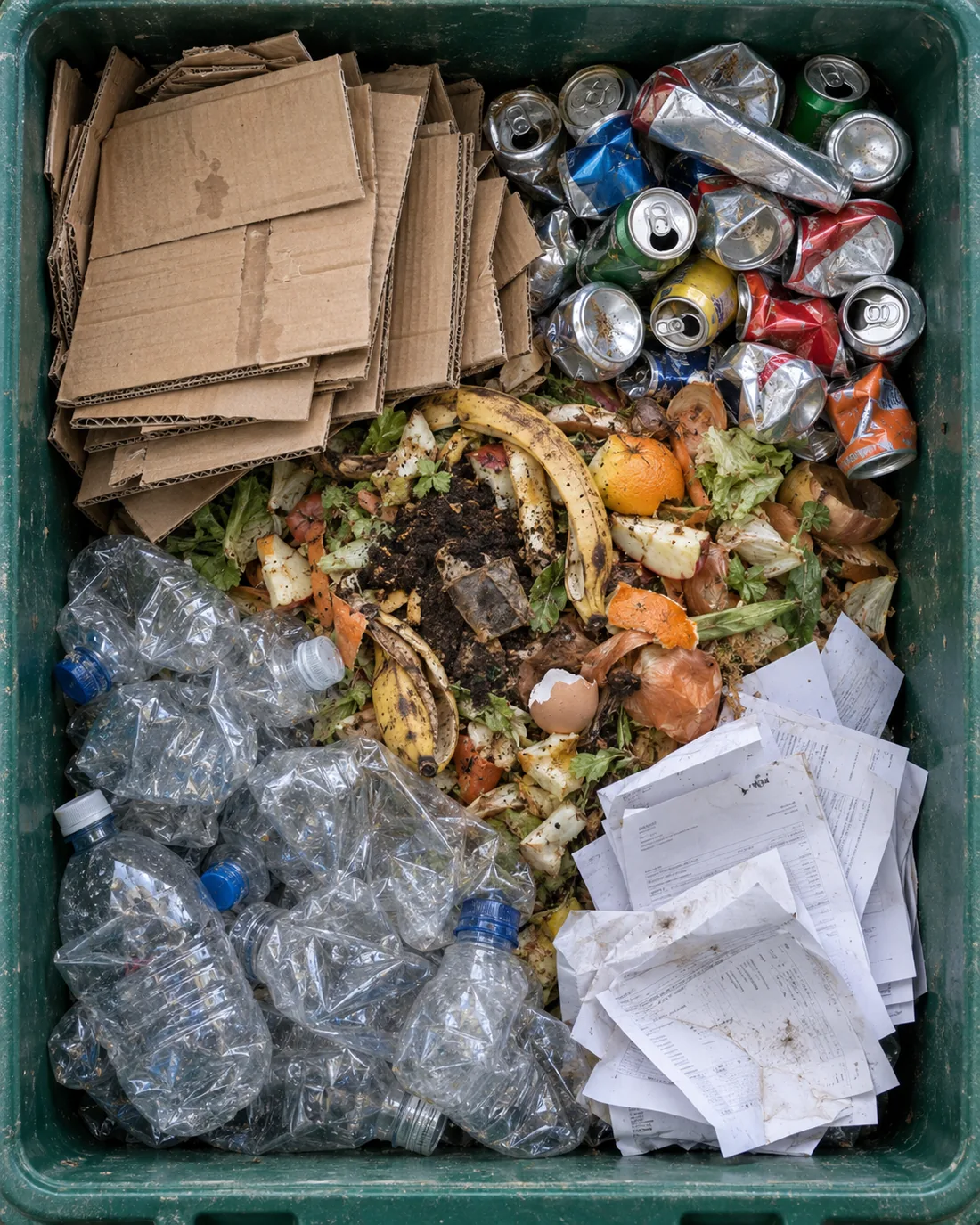
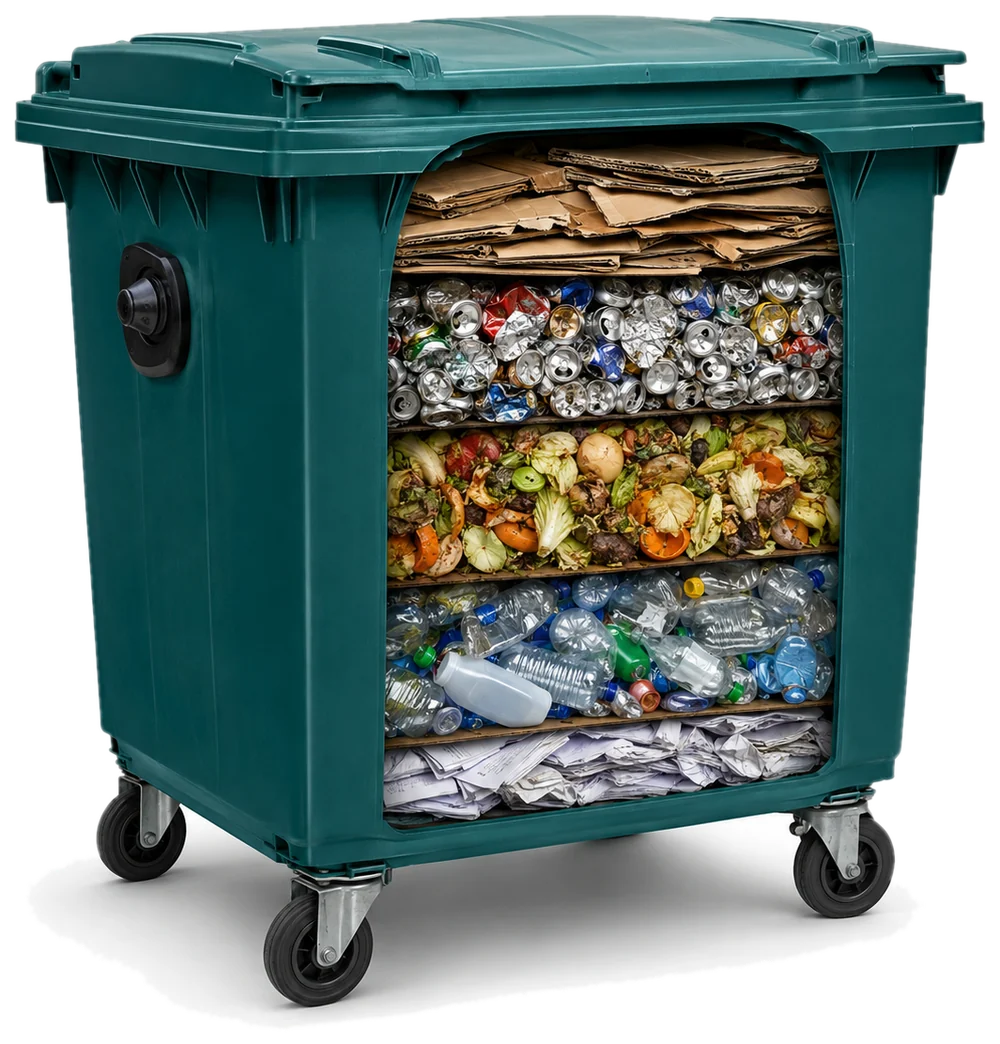
Managing waste in the retail stores sector requires understanding specific waste streams, compliance requirements, and cost-effective disposal options. Retail generates massive cardboard and packaging waste volumes from stock deliveries, often exceeding general waste. Peak seasons (Christmas, EOFY) create waste spikes. Soft plastics recycling options are limited since REDcycle's collapse. Product destruction for unsellable goods needs documentation. Shopping centre retailers face shared waste costs and limited bin storage. Multi-site retail chains need consistent service and pricing across locations. Bundle Waste specialises in helping retail stores businesses across Melbourne find the best waste management rates.
Retail generates massive cardboard and packaging waste volumes from stock deliveries, often exceeding general waste. Peak seasons (Christmas, EOFY) create waste spikes. Soft plastics recycling options are limited since REDcycle's collapse. Product destruction for unsellable goods needs documentation. Shopping centre retailers face shared waste costs and limited bin storage. Multi-site retail chains need consistent service and pricing across locations.
How much does retail waste management cost in Melbourne?+
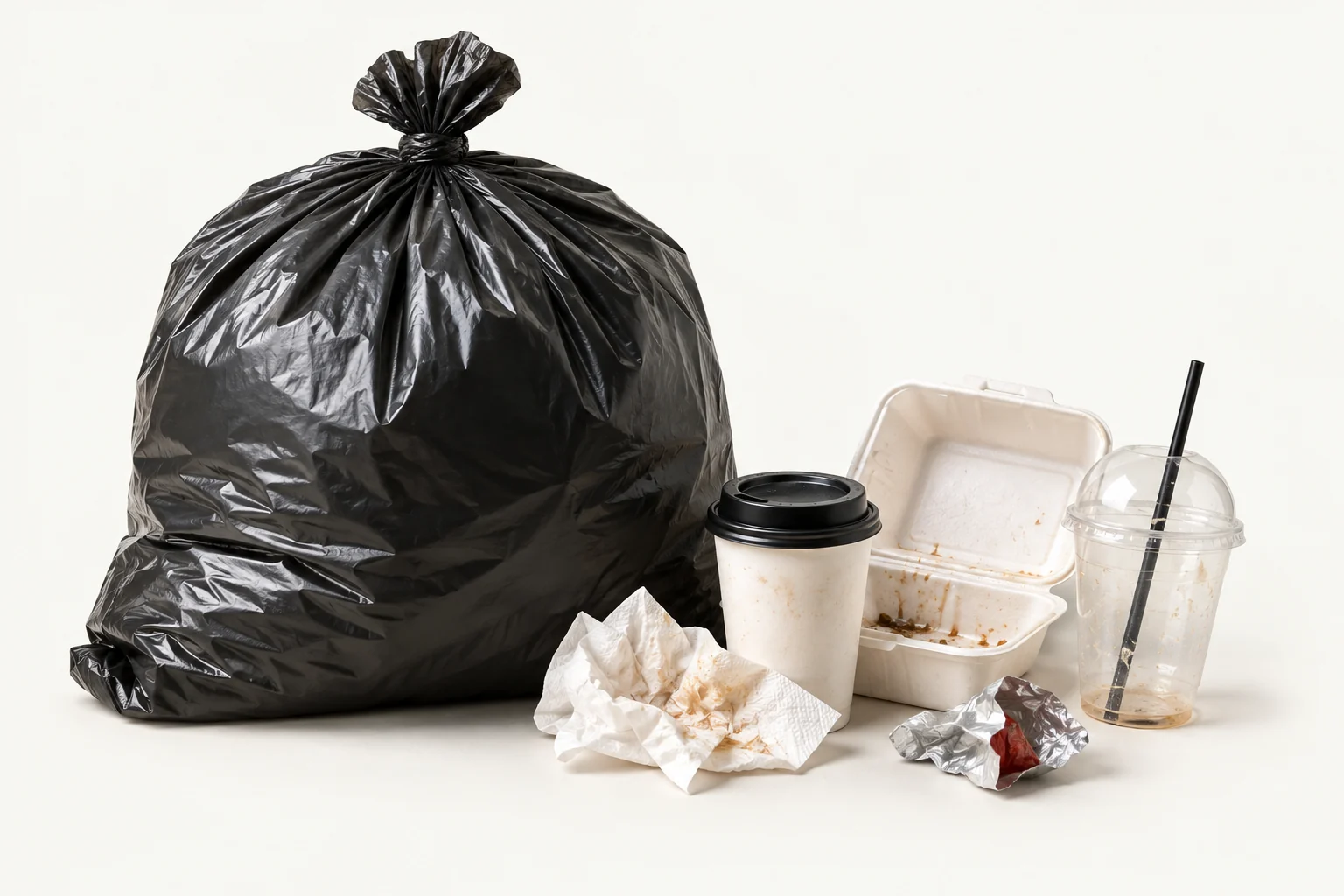
Retail waste management in Melbourne typically costs $300-2,000 per month depending on store size and stock turnover. A small boutique pays $300-500/month, a medium retail store $500-1,000/month, and large retailers or department stores $1,000-2,000/month per location. Cardboard recycling should be free or rebated for high volumes — if you're paying for cardboard collection, you're overpaying. General waste accounts for $200-600/month, recycling $50-200/month, and product destruction $100-400/month as needed.
How should retailers manage cardboard waste?+
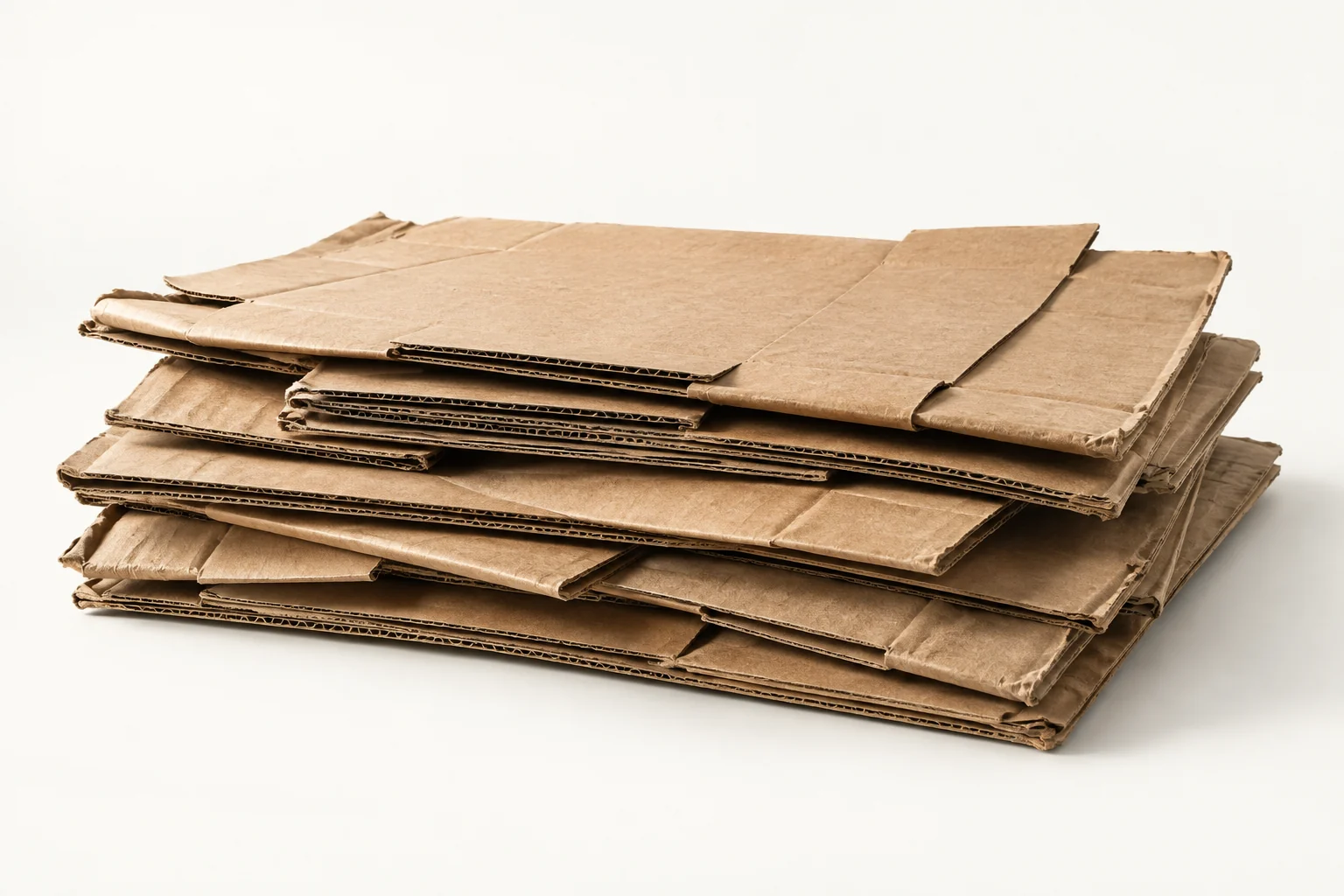
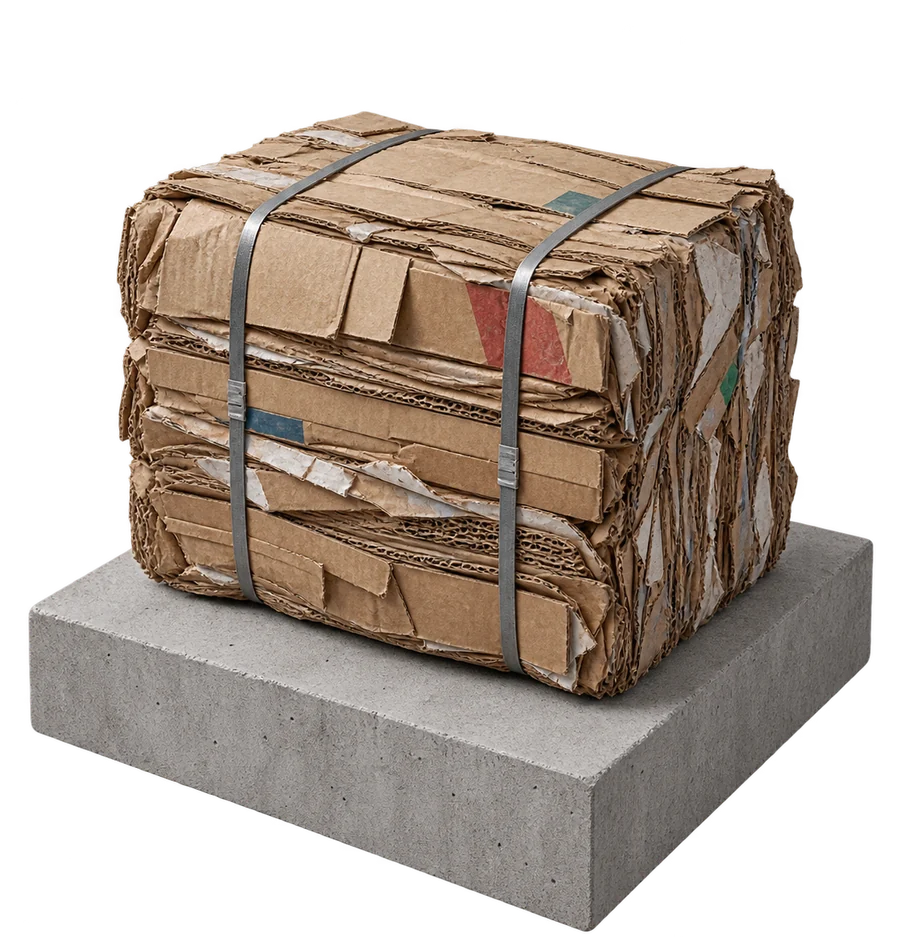
Cardboard is retail's biggest waste stream and should generate recycling revenue, not cost money. Key practices: break down all boxes flat (saves 70% bin space), keep cardboard dry and clean (contaminated cardboard loses value), separate from other waste streams, consider a cardboard baler for high-volume stores (compresses to saleable bales). Retailers generating 500kg+ per week should receive collection for free or a rebate of $50-100/tonne. If your provider charges for cardboard collection, get competitive quotes.
What are the soft plastics recycling options for retailers since REDcycle?+
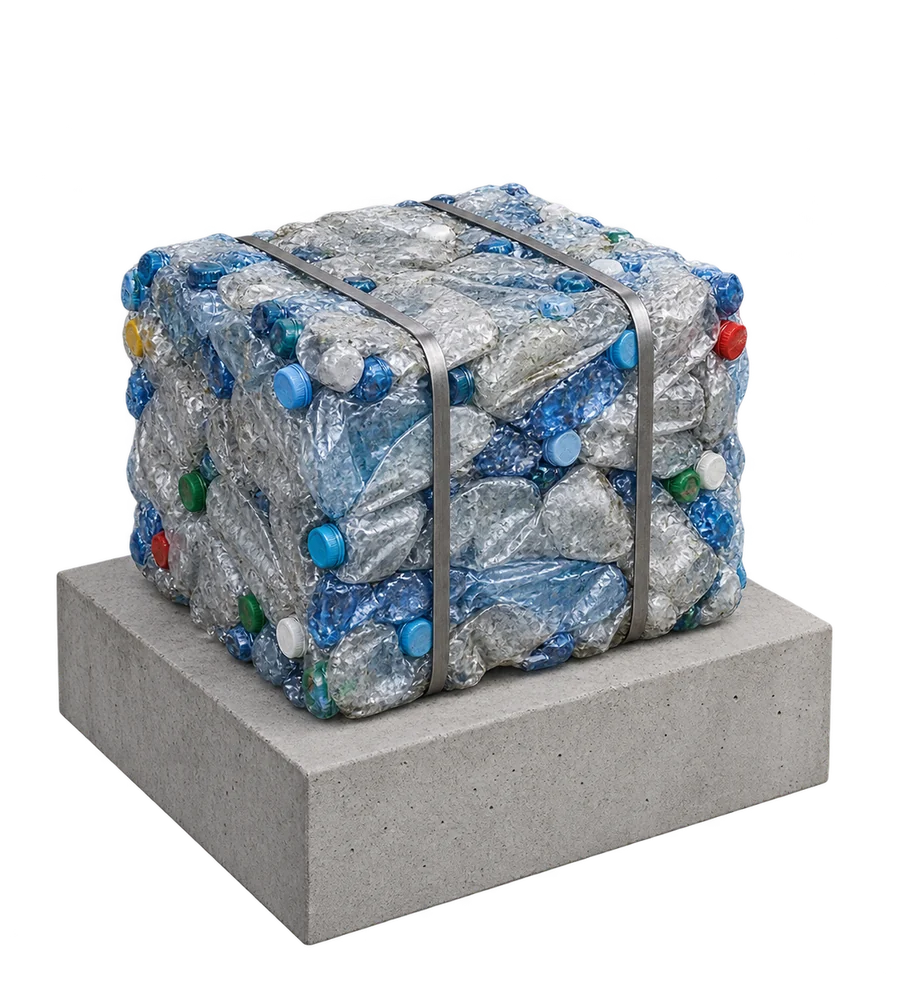
Since REDcycle's collapse in 2022, soft plastics recycling options are limited but improving. Current options: some Coles and Woolworths stores have resumed in-store collection, Curby soft plastics kerbside trials in some Melbourne councils, commercial soft plastics collection through specialist recyclers like Replas or Close the Loop (minimum volumes apply), and waste-to-energy processing. For retailers with large soft plastics volumes, contact your waste broker about commercial collection options — rates start from $300-500/tonne.
How should retailers handle product destruction and damaged stock?+
Unsellable, recalled, or brand-protection stock may need documented destruction rather than simple disposal. Product destruction services provide: secure collection, witnessed destruction (shredding, crushing), certificates of destruction, and recycling of materials where possible. Costs range from $200-800 per collection depending on volume. For brand-protection (preventing dumpster diving for branded goods), ensure your provider offers secure chain of custody. Some destroyed materials (metal, glass, plastic) can be recycled, reducing net costs.
How can retail chains manage waste across multiple sites?+
Multi-site retail chains benefit from: consolidated waste contracts (up to 30% cheaper than individual site deals), standardised bin types and signage across all locations, centralised invoice management and reporting, consistent service levels and collection schedules, and a single point of contact for service issues. A waste broker manages all of this, providing one monthly invoice with site-by-site breakdown. Chains with 5+ sites typically save $200-500/month per site through consolidated arrangements.
What are hazardous waste disposal costs in Melbourne?+
Hazardous waste disposal in Melbourne ranges from $2–15/kg depending on waste type. Chemical waste costs $3–8/kg, asbestos removal $50–80/m², and liquid chemical disposal $300–800 per 200L drum. All hazardous waste must be handled by EPA-licensed transporters under the Environment Protection Act 2017.
How much does clinical waste disposal cost in Melbourne?+
Clinical waste disposal in Melbourne costs $0.80–2.50/litre depending on waste category. Sharps containers (5L) cost $8–15 each, cytotoxic waste $4–8/kg, and anatomical waste $5–12/kg. Healthcare facilities typically spend $300–1,200/month. All clinical waste must comply with EPA Victoria Publication 1669.
What are the waste costs for retail shops in Melbourne?+
Retail waste management in Melbourne costs $80–350/month depending on store size. A small boutique (under 100m²) spends $80–150/month, a mid-size store $150–250/month, and a large retail outlet $250–500/month. Cardboard recycling is the biggest stream; using a baler can reduce collection frequency by up to 70%.
How much does grease trap servicing cost in Melbourne?+
Grease trap servicing in Melbourne costs $150–400 per service depending on trap size. A standard 1,000L trap costs $150–250, a 2,000L trap $250–400. Most food businesses need monthly or quarterly servicing. Failure to maintain grease traps can breach your trade-waste agreement, leading to penalties or suspension of your discharge consent by your water authority (such as South East Water or Yarra Valley Water).
How much does clothing and textile recycling cost for businesses?+
Commercial textile recycling in Melbourne costs $0–3/kg depending on quality and volume. Good-condition clothing may be collected free. Damaged textiles cost $1–3/kg. Minimum collection is usually 100–200kg. Fashion retailers generating 50+ kg/month should arrange scheduled collections at $50–120/pickup.
 Bundle Waste