How should a Melbourne art studio or maker space manage waste? How should a Melbourne art studio or maker space manage waste?

How should a Melbourne art studio or maker space manage waste?

Expert answer from Melbourne's waste management specialists

Art studios generate diverse waste: paint and chemical waste (potentially hazardous), canvas and fabric offcuts, wood and metal from sculptures, packaging, and general waste.

Small quantities of paint can be dried and disposed in general waste. Chemical solvents (turps, thinners) are PIW if in significant quantities.

Monthly cost: $80–250. Share waste services with other studio tenants for 15–25% savings.

Key Numbers

  • Monthly waste cost: $80–250
  • Landfill levy (metro 2025–26): $169.79/tonne
  • Penalty unit (2025–26): $203.51
  • Max corporate GED fine: ~$2.03 million
  • Independent-broker saving: up to 30%

What You Need to Know

The waste that decides an art studio's compliance risk is not the canvas offcuts — it's the chemical fraction. Turps, thinners and solvent-soaked rags become prescribed industrial waste (PIW) once they reach significant quantities, and that triggers cradle-to-grave tracking, not a kerbside bin.

  • Solvents (turps, thinners): PIW above small quantities — licensed transporter and tracking required.
  • Small batches of paint: dried and disposed in general waste — never poured to drain.
  • Canvas and fabric offcuts: general waste, or textile recovery if clean.
  • Wood and metal offcuts: separate for recycling to keep the general bin small.

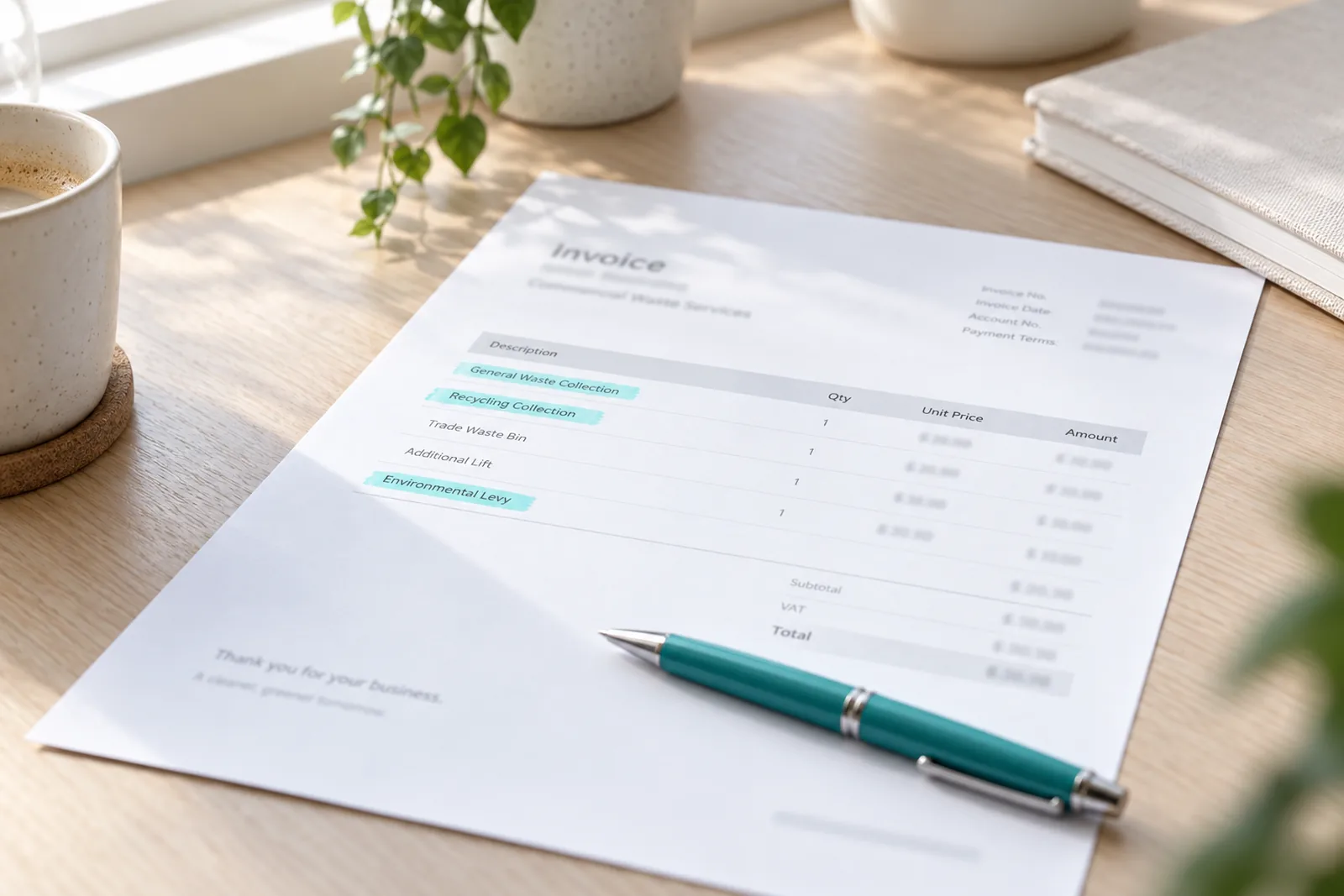
Solvent handling falls squarely under the Environment Protection (Management of Prescribed Waste) Regulations 2021, which require PIW to be tracked from generation to disposal. Shared tenancies make the cost worse — duplicated bins across studios inflate every bill. As an independent broker, Bundle Waste runs a free invoice audit, consolidates studio tenants onto one compared-network contract and is paid only from the savings we find.

Related Resources

Related Questions

What waste do printing companies produce?+
Print businesses generate: paper offcuts (30–40%), ink waste (5–10%, often hazardous), solvents (hazardous), plastic substrates (10–20%), metal offcuts (5–10%). Ink and solvents are PIW requiring EPA tracking. Monthly cost: $300–1,000.
How should a jewellery workshop manage waste?+
Jewellery workshops generate: precious metal filings and dust (valuable — recover and sell), chemical waste from cleaning solutions and acids (hazardous), polishing compounds, packaging, and general waste. Precious metal recovery can offset costs. Chemical waste requires licensed disposal. Monthly waste: $100–300.
What waste does a furniture manufacturer produce?+
Furniture manufacturers generate: timber offcuts (30–40%), upholstery waste (15–25%), adhesive and finishing chemicals (potentially hazardous), metal hardware waste, packaging, and sawdust. Clean timber offcuts can be recycled at $80–120/tonne. Sawdust extraction systems reduce airborne waste. Monthly cost: $500–2,000.
What waste does a commercial printer or sign shop generate?+
Commercial printers generate: paper/substrate offcuts (30–40%), ink waste (PIW — requires EPA tracking), chemical cleaning solutions (PIW), aluminium printing plates (recyclable at $0.50–2/kg), and packaging waste. UV-cure and solvent-based inks are hazardous. Monthly waste cost: $300–1,200. Paper offcuts should be recycled — baling earns rebates of $50–100/tonne.
How should a timber yard manage waste?+
Timber yards generate: sawdust and wood chips (30–40%), offcuts and damaged timber (20–30%), packaging (10–15%), treated timber waste (CCA — hazardous), and general waste. Clean sawdust and chips have value as landscaping mulch or biomass fuel ($0–30/tonne). Treated timber waste costs $150–250/tonne at licensed facilities. Monthly waste: $500–2,000. Sawdust extraction reduces dust hazards.

See exactly what you are overpaying

Bundle Waste reviews your current waste invoices and benchmarks them against a network of Melbourne providers — free, with a written report in 5 business days. You will see what you pay now, where the hidden charges are, and the rate we can negotiate. You only pay from the savings we find: no savings, no fee.

Get my free waste audit →

Updated 25 June 2026