How should a Melbourne EV charging station manage waste? How should a Melbourne EV charging station manage waste?

How should a Melbourne EV charging station manage waste?

Expert answer from Melbourne's waste management specialists

EV charging stations generate minimal regular waste: general litter from customers and packaging from equipment maintenance.

The main waste consideration is end-of-life battery management — EV batteries weigh 300–600kg and contain hazardous materials requiring specialist recycling. Battery recycling is emerging in Australia.

Regular waste: $40–100/month. Battery disposal: arrange through specialist recyclers when needed.

Key Numbers

  • EV battery weight (end of life): 300–600kg
  • Regular waste monthly cost: $40–100
  • Metro landfill levy (2025–26): $169.79/tonne
  • Penalty unit (2025–26): $203.51

What You Need to Know

Day-to-day, an EV charging station barely registers on the waste ledger — the figure that matters is the rare but high-stakes end-of-life battery, which weighs 300–600kg and is classed as prescribed industrial waste. Get that one movement wrong and the compliance exposure dwarfs a year of bin costs.

StreamClassificationRoute
Customer litter and packagingGeneralRight-sized general bin ($40–100/mo)
Equipment packagingRecyclableCommingled / cardboard
End-of-life EV batteryHazardous (PIW)Specialist recycler, cradle-to-grave tracking

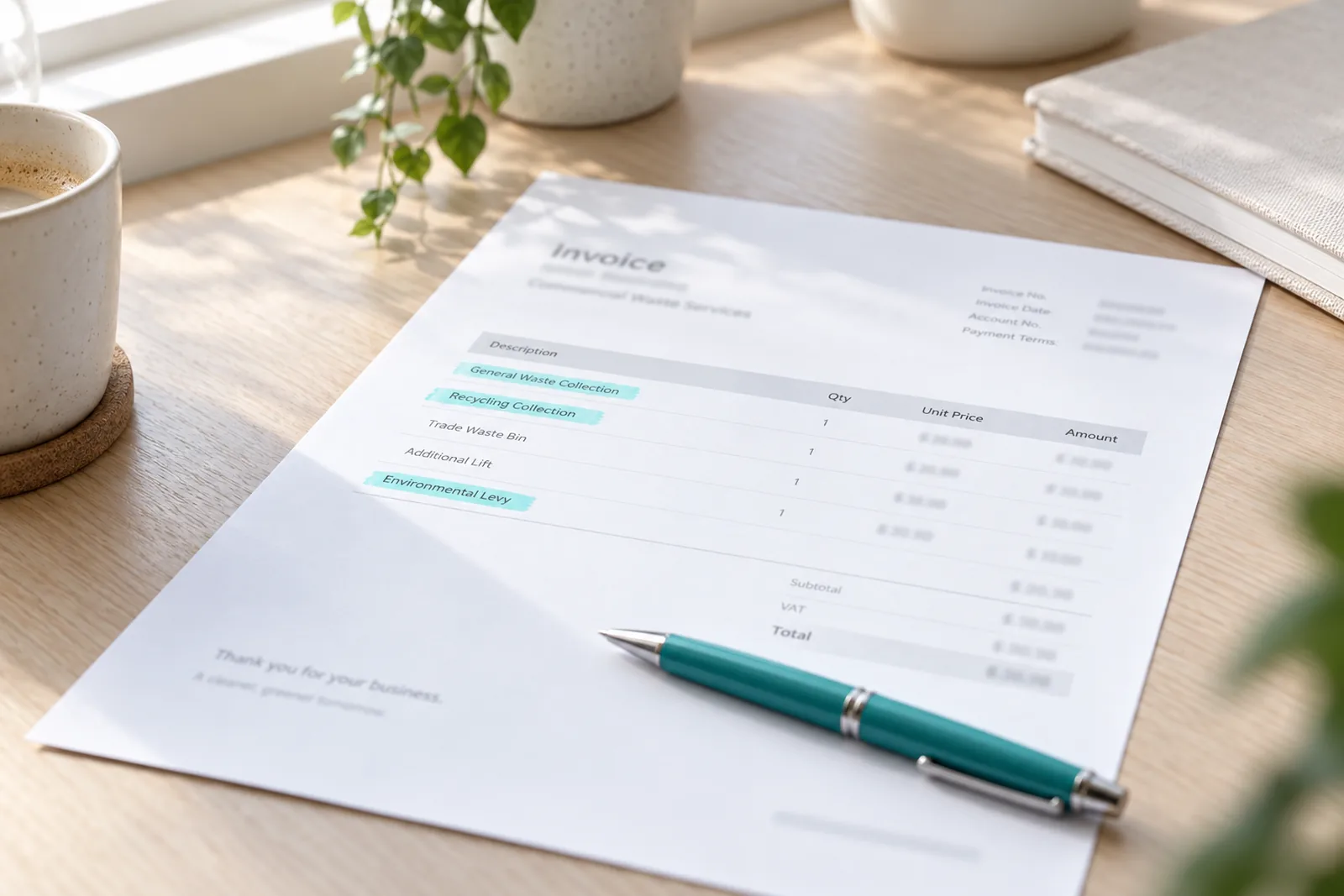
Battery storage, transport and disposal are governed by the Environment Protection (Management of Prescribed Waste) Regulations 2021, where each breach is measured in penalty units of $203.51. Bundle Waste is an independent broker: we audit your invoice for free, compare a network of providers so your routine bins are not overpriced, and are paid only from the savings we find.

Related Resources

Related Questions

How should automotive dealerships manage their waste?+
Dealerships generate: scrap metal, used oil, oil filters, tyres ($5–10 each to dispose), batteries (free — lead value), packaging, and general waste. Used oil must be collected by licensed recyclers. A medium dealership spends $500–1,500/month. Metal rebates earn $50–200/month.
What waste do mechanic and auto repair shops generate?+
Auto shops generate: used oil (free collection 200L+), oil filters, scrap metal ($50–200/month rebate), tyres ($5–10 each), batteries (free — lead value), chemical waste (PIW). Used oil needs bunded storage with 110% containment. Monthly cost: $200–600.
How should used engine oil be handled?+
Regulated waste — licensed recycler collection, typically free for 200L+. Some pay $0.05–0.20/litre for clean oil. Store in labelled, sealed drums on bunded areas (110% containment). Mandatory under Product Stewardship (Oil) Act 2000.
How should a taxi or rideshare depot manage waste?+
Vehicle depots generate: used oil and filters (free collection 200L+), tyres ($5–10 each), scrap metal, cleaning chemical waste, and general waste from offices and driver amenities. Maintain bunded oil storage. Monthly waste: $200–600. EV charging stations at depots generate minimal waste but require e-waste disposal for old batteries at end-of-life.
How should a Melbourne electric scooter sharing company manage waste?+
E-scooter companies generate: damaged scooter components (e-waste recycling for electronics, metal recycling for frames), lithium-ion batteries (hazardous — specialist recycling required), tyres, and warehouse packaging. Battery management is the critical stream — damaged lithium batteries are fire risks. Monthly depot waste: $200–600. Battery recycling costs: $3–8/kg. Store damaged batteries in fireproof containers.

See exactly what you are overpaying

Bundle Waste reviews your current waste invoices and benchmarks them against a network of Melbourne providers — free, with a written report in 5 business days. You will see what you pay now, where the hidden charges are, and the rate we can negotiate. You only pay from the savings we find: no savings, no fee.

Get my free waste audit →

Updated 25 June 2026