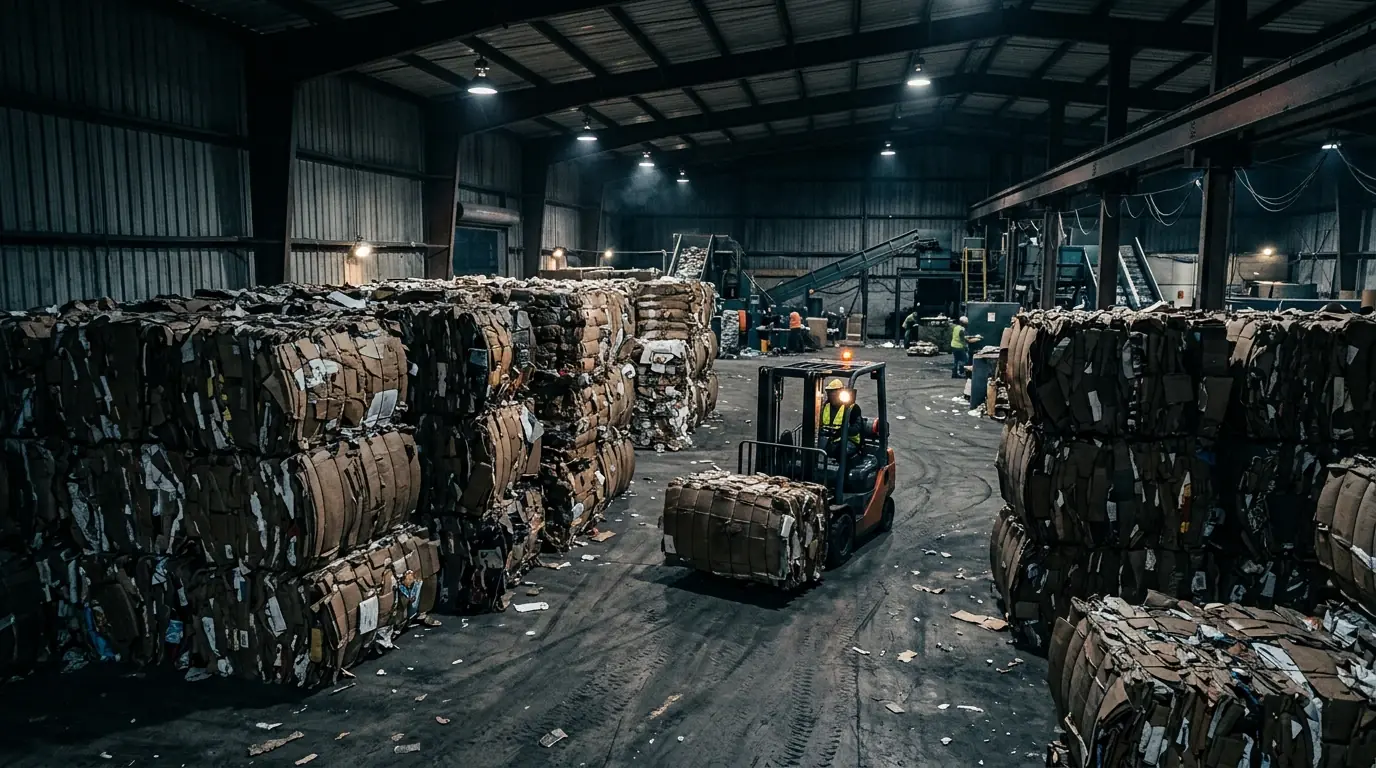
What can and cannot go in a commingled recycling bin? What can and cannot go in a commingled recycling bin?

What can and cannot go in a commingled recycling bin?

Expert answer from Melbourne's waste management specialists

Yes: clean paper, cardboard, glass bottles/jars, aluminium/steel cans, hard plastic containers (#1-#5, #7).

No: soft plastics (bags, wrap, cling film), food waste, nappies, polystyrene, textiles, e-waste, batteries, ceramics, or medical waste. When in doubt, it goes in general waste — putting non-recyclables in recycling contaminates the entire load and can cost $50-200 in contamination fees.

Print a simple yes/no poster for your bin area.

Key Numbers

  • Commingled contamination across Victoria: about 12%
  • Industry contamination target: under 5%
  • Contamination fee per polluted load: $50–200
  • Accepted hard-plastic codes: #1–#5, #7

What You Need to Know

One wrong item can down-grade an entire load. Commingled recycling in Victoria already runs at about 12% contamination against an industry target of under 5% — and a single contaminated bin can attract a $50–200 fee that wipes out the recycling saving.

Yes — recyclableNo — general waste
Clean paper & cardboardSoft plastics (bags, wrap, cling film)
Glass bottles & jarsFood waste & nappies
Aluminium & steel cansPolystyrene, textiles, ceramics
Hard plastic containers (#1–#5, #7)E-waste, batteries, medical waste

Keeping loads clean is the practical core of Recycling Victoria — A New Economy and its resource-recovery targets. When in doubt, it goes in general waste. Bundle Waste audits your bins free of charge, fixes signage and stream set-up, and compares a network of providers — paid only from the savings we find, so lower contamination shows up directly on your invoice.

Related Resources

Related Questions

What is the contamination rate for commercial recycling in Melbourne?+
The average contamination rate for commercial commingled recycling bins in Melbourne is 12-18%, compared to 6-10% for residential kerbside. The main contaminants are food waste, soft plastics, and non-recyclable packaging. Reducing contamination lowers your costs through fewer contamination fees and lower disposal costs. Bundle Waste provides free contamination signage and staff training guides.
What is the cost of contamination in recycling bins?+
Contamination costs Melbourne businesses $50–200 per incident in penalty fees. If contamination exceeds 10–15%, providers may reclassify recycling as general waste, increasing costs 40–100%. Staff training can reduce contamination by up to 70%.
What is the Recycling Victoria policy?+
Recycling Victoria is a 10-year circular economy policy (2020–2030) investing $515 million. Key measures: mandatory four-stream separation, Container Deposit Scheme, landfill material bans, 80% diversion target by 2030, and new recycling infrastructure investment.
What are the penalties for contaminating recycling?+
Businesses face: service refusal from providers, reclassification as general waste (40–100% cost increase), surcharges of $50–200/incident, and EPA action under the GED. Material Recovery Facilities reject loads with over 10–15% contamination.
What is the National Waste Policy?+
National Waste Policy 2018 targets: 80% resource recovery by 2030, halve organic waste to landfill by 2030, phase out problematic plastics. Drives Victorian policy through export bans on unprocessed waste and product stewardship schemes.

See exactly what you are overpaying

Bundle Waste reviews your current waste invoices and benchmarks them against a network of Melbourne providers — free, with a written report in 5 business days. You will see what you pay now, where the hidden charges are, and the rate we can negotiate. You only pay from the savings we find: no savings, no fee.

Get my free waste audit →

Updated 25 June 2026