What waste management does a data destruction company need? What waste management does a data destruction company need?

What waste management does a data destruction company need?

Expert answer from Melbourne's waste management specialists

Data destruction companies generate: shredded hard drives and electronics (e-waste recycling), shredded paper (paper recycling), plastic casings (recyclable), metal components (scrap value), and dust.

E-waste from destroyed drives should go to certified recyclers. Clean separation of metals from plastics maximises recycling revenue.

Monthly waste: $500–2,000. All waste must maintain chain of custody documentation.

Key Numbers

  • Monthly waste spend: $500–2,000
  • Metro landfill levy (2025–26): $169.79/tonne
  • Levy in 2024–25: $129.27/tonne
  • Independent-broker saving: up to 30%

What You Need to Know

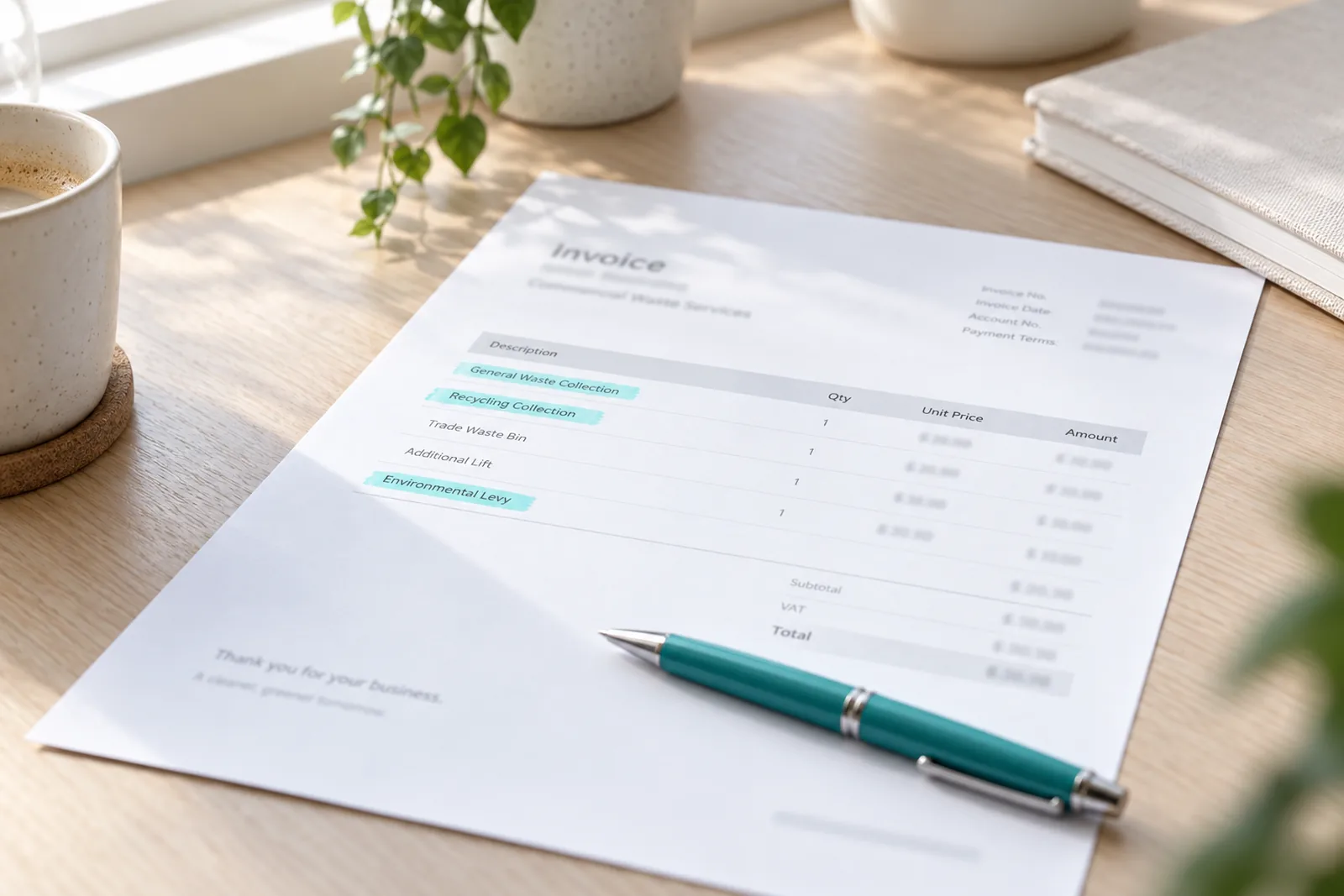
For a data destruction company, the invoice rarely reflects the recoverable value sitting in your output stream. Shredded drives, metal components and clean plastic casings carry scrap and recycling value, but only when they are kept separate at source and routed to certified processors who can issue chain-of-custody paperwork that matches your destruction certificates.

  • E-waste from destroyed drives must go to certified recyclers, not general landfill.
  • Clean metals separated from plastics retain scrap value rather than being lost to mixed loads.
  • Shredded paper stays in a dedicated paper stream to hold its rebate value.
  • Plastic casings kept clean and segregated stay recyclable.

Because every load needs documented disposal, your waste tracking should align with the Information Destruction Standard (AS/NZS 4774), which sets the de facto expectation for secure handling. Bundle Waste is an independent broker, not a hauler: we run a free invoice audit, benchmark your contract against a network of providers, and renegotiate — paid only from the savings we find.

Related Resources

Related Questions

What does document destruction cost for businesses in Melbourne?+
Secure document destruction in Melbourne costs $15–30 per 240L bin or $80–150 per 660L bin for scheduled collection. One-off purges cost $8–15 per archive box. Most providers include a certificate of destruction. Average offices spend $50–150/month.
What does e-waste recycling cost for businesses?+
E-waste recycling for businesses costs $0–5/kg depending on item type. Computers and monitors are often collected free under the National Television and Computer Recycling Scheme. Printers cost $5–15 each. Data destruction certificates cost $5–15 per hard drive.
What waste do IT companies produce?+
IT companies generate: e-waste (computers, servers), paper/cardboard, office waste, data-bearing media (require secure destruction). E-waste collected free at volume under NTCRS. Data destruction: $5–15/drive. Monthly office waste: $100–300.
How should co-working spaces manage waste?+
Co-working spaces need: clearly labelled multi-stream bins, central collection point, regular member education. A 100-desk space: 2x 240L general waste, 2x 240L recycling, 1x 240L organics. Monthly cost: $200–400.
What waste does a law firm generate?+
Law firms generate: confidential paper (40–60%), office waste (15–25%), e-waste, food waste. Confidential destruction requires AS/NZS ISO 21964 compliance. A 50-lawyer firm: $300–800/month including $150–400 secure destruction.

See exactly what you are overpaying

Bundle Waste reviews your current waste invoices and benchmarks them against a network of Melbourne providers — free, with a written report in 5 business days. You will see what you pay now, where the hidden charges are, and the rate we can negotiate. You only pay from the savings we find: no savings, no fee.

Get my free waste audit →

Updated 25 June 2026