Recycling
2 min read
By Pedro Carreira
Updated 25 June 2026
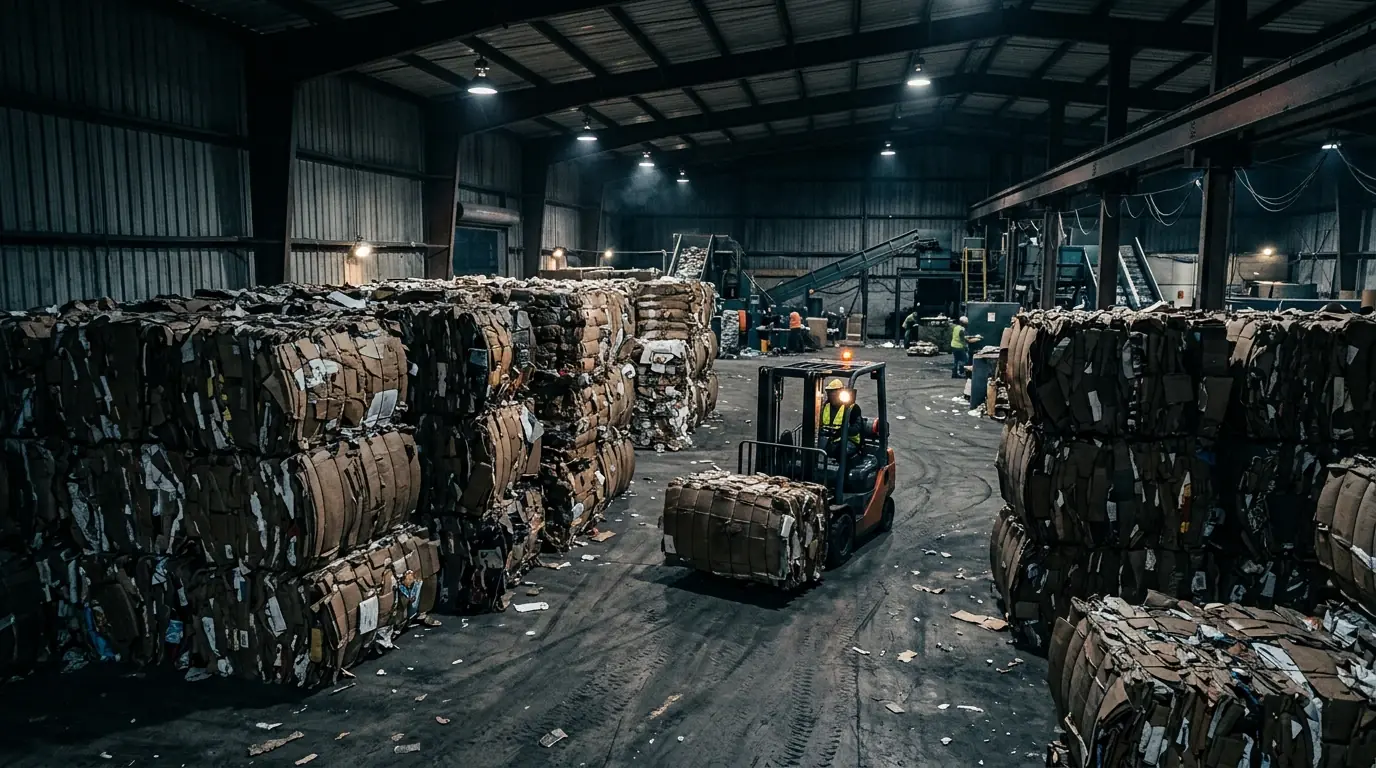
Mattress recyclers process: steel springs (scrap metal — $150–300/tonne value), foam (shredded for carpet underlay or fuel), textiles (recycled or industrial rags), and timber frames (chipped).
Facilities achieve 80–90% material recovery. They require EPA operating licences, fire prevention measures, and managed stockpile limits.
Processing cost: $20–35/mattress. Revenue from recovered materials offsets operating costs.
Key Numbers
- Steel spring scrap value: $150–300/tonne
- Material recovery rate: 80–90%
- Processing cost per mattress: $20–35
- Landfill levy avoided (metro 2025–26): $169.79/tonne
What You Need to Know
A mattress recycling facility is part processor, part scrap trader: the economics turn on how much of each unit is recovered and sold versus sent to landfill. At 80–90% material recovery, every diverted tonne also avoids the metro landfill levy of $169.79/tonne, which compounds across high throughput.
| Stream | Destination | Value |
|---|
| Steel springs | Scrap metal | $150–300/tonne |
| Foam | Carpet underlay / fuel | Recovered |
| Textiles | Recycled / industrial rags | Recovered |
| Timber frames | Chipped | Recovered |
Processing runs $20–35 per mattress, with recovered-material revenue offsetting that cost. Facilities operate under EPA licences and managed stockpile limits aligned with Recycling Victoria — A New Economy. As an independent broker, Bundle Waste audits residual-waste and scrap-haulage invoices for free and compares a network of providers, paid only from the savings — up to 30%.
Related Resources
Related Questions
How should a Melbourne paddle boarding or kayak hire manage waste?+
Water sports hire businesses generate: damaged equipment waste (foam, fibreglass), wetsuit waste (neoprene — specialist recycling emerging), packaging, and general waste. Fibreglass repair generates hazardous dust. Customer-generated waste (food wrappers, bottles) needs bins at launch points. Near-waterway operations face heightened EPA scrutiny. Monthly cost: $50–200. Provide clearly labelled recycling bins to prevent waterway litter.
What are the main waste management laws in Victoria?+
Key legislation: Environment Protection Act 2017, Environment Protection Regulations 2021, Climate Change Act 2017, Circular Economy (Waste Reduction and Recycling) Act 2021. The EP Act 2017 introduced a general environmental duty (GED) requiring all businesses to minimise risks of harm from pollution and waste.
What is the General Environmental Duty in Victoria?+
The GED under Section 25 of the EP Act 2017 requires businesses to take reasonably practicable steps to minimise risks of harm to human health and the environment from pollution and waste. This is proactive — you must manage risks before harm occurs. Penalties reach about $2.03 million for corporations.
Do I need an EPA licence for waste management in Victoria?+
You need an EPA licence if you operate a scheduled premises (landfill, transfer station, waste treatment facility) or transport prescribed industrial waste. General businesses generating standard commercial waste do not need a licence but must use licensed transporters and disposal facilities.
What is prescribed industrial waste in Victoria?+
Prescribed Industrial Waste (PIW) includes: chemicals, solvents, pesticides, heavy metals, asbestos, clinical waste, contaminated soil, and waste oils. PIW is classified under the EP Regulations 2021 and must be tracked through EPA's waste tracking system. Penalties for illegal PIW disposal reach about $2.03 million.
See exactly what you are overpaying
Bundle Waste reviews your current waste invoices and benchmarks them against a network of Melbourne providers — free, with a written report in 5 business days. You will see what you pay now, where the hidden charges are, and the rate we can negotiate. You only pay from the savings we find: no savings, no fee.
Get my free waste audit →
Updated 25 June 2026