
Commercial textile recycling in Melbourne costs $25–40 per 240L bin pickup, $55–85 per 1100L pickup, $80–150 per tonne for bulk loads, and $15–25 per bag for collection-bag services in 2026. For uniforms and branded apparel, certified destruction adds a premium over plain recycling. This guide covers business-scale rates — retailers, hotels, manufacturers and brands — and when recycling, destruction or donation is the right route for each textile stream.
2026 commercial textile recycling rates in Melbourne
| Service | Typical Melbourne rate |
|---|---|
| 240L bin (per pickup) | $25–40 |
| 660L bin (per pickup) | $40–65 |
| 1100L bin (per pickup) | $55–85 |
| Bulk loads (per tonne) | $80–150 |
| Collection bag service (per bag) | $15–25 |
Consumer drop-off programmes (council hubs, retail take-back bins) don't scale to commercial volumes — a hotel refreshing linen or a retailer clearing seasonal stock needs scheduled business collection at the rates above. Configuration follows volume: occasional clear-outs suit bag services or ad-hoc bin pickups; continuous streams (manufacturing offcuts, linen cycles) justify a scheduled bin.
What businesses actually recycle — and where it goes
- Corporate uniforms and workwear — bulk-recycled into fibre; branded items usually need de-branding or certified destruction first.
- Hotel and healthcare linen — towels and sheets at end of life; clean condition earns industrial-wiper and fibre recovery routes.
- Unsold and returned apparel — resale-grade stock can be donated or liquidated; the rest is fibre-recycled. Never landfill: the levy maths below.
- Manufacturing offcuts — clean, single-fibre offcuts are the most recyclable textile stream and can attract better bulk terms.
- End-of-life soft furnishings — mixed-material items (foam, backing) cost more to process; quote them separately rather than mixing into clothing streams.
Recovered textiles become second-hand garments (export markets), industrial wiping cloths, insulation and underlay fibre, and — increasingly — recycled yarn. Contamination discipline matters the way it does in every stream: wet, mouldy or chemical-soiled textiles downgrade whole loads.
Branded stock: recycling is not enough
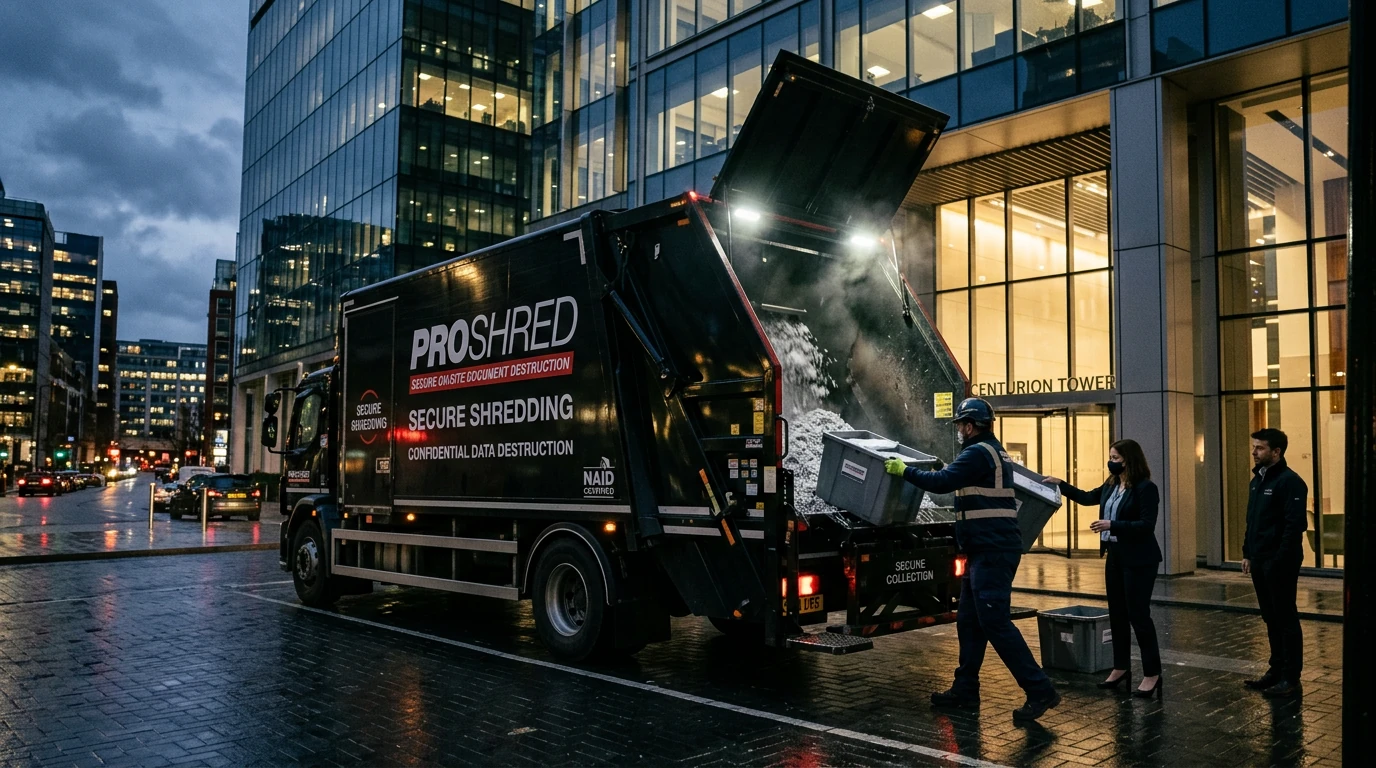
For uniforms with logos and unsold branded product, plain recycling carries brand risk — stock leaking into resale channels. The commercial answer is certified product destruction: documented, witnessed or certificated destruction with fibre recovery afterwards, at a premium over plain recycling rates. When the brand piece matters more than the fibre piece, start from our certified product destruction service; apparel-specific detail lives on the clothing recycling service page.
The landfill alternative is the expensive one
Textiles in general waste bins pay full collection rates plus the $169.79/tonne metro landfill levy (2025–26) — and textiles are dense once compacted, so tonnage adds up faster than expected. At $80–150/tonne, dedicated bulk textile recycling consistently undercuts the general-waste route for any meaningful volume, before counting the sustainability reporting value. Businesses with landfill-diversion targets (Victoria's framework points at 80% diversion by 2030) get measurable tonnes from textile separation — our waste reduction plan guide shows how to bank them.
Getting the right deal
- Split streams before quoting: resale-grade, recyclable-grade, destruction-required. Each has a different (sometimes negative) price.
- Quote bulk against bins. Above roughly a tonne per quarter, per-tonne bulk rates beat per-pickup bin rates.
- Demand certificates where brand matters — destruction certificates for branded stock, and recycling documentation for sustainability reporting.
- Fold textiles into the site's waste negotiation. Standalone textile quotes rarely get benchmarked; bundled accounts do. Bundle Waste's free waste audit prices textile streams alongside general waste and recycling across 50+ Melbourne providers — no savings, no fee.
Frequently asked questions
How much does commercial textile recycling cost in Melbourne?
Can businesses use free clothing drop-off bins?
What happens to recycled commercial textiles?
How should a brand dispose of unsold or returned apparel?
Is textile recycling cheaper than putting textiles in general waste?
What textile volumes justify a scheduled collection?
Related guides
See what you could save
Send us a recent waste invoice. We'll benchmark every charge against a network of Melbourne providers and show you the savings — free, no obligation, no win no fee.
Get Your Free Waste Audit →