 Bundle Waste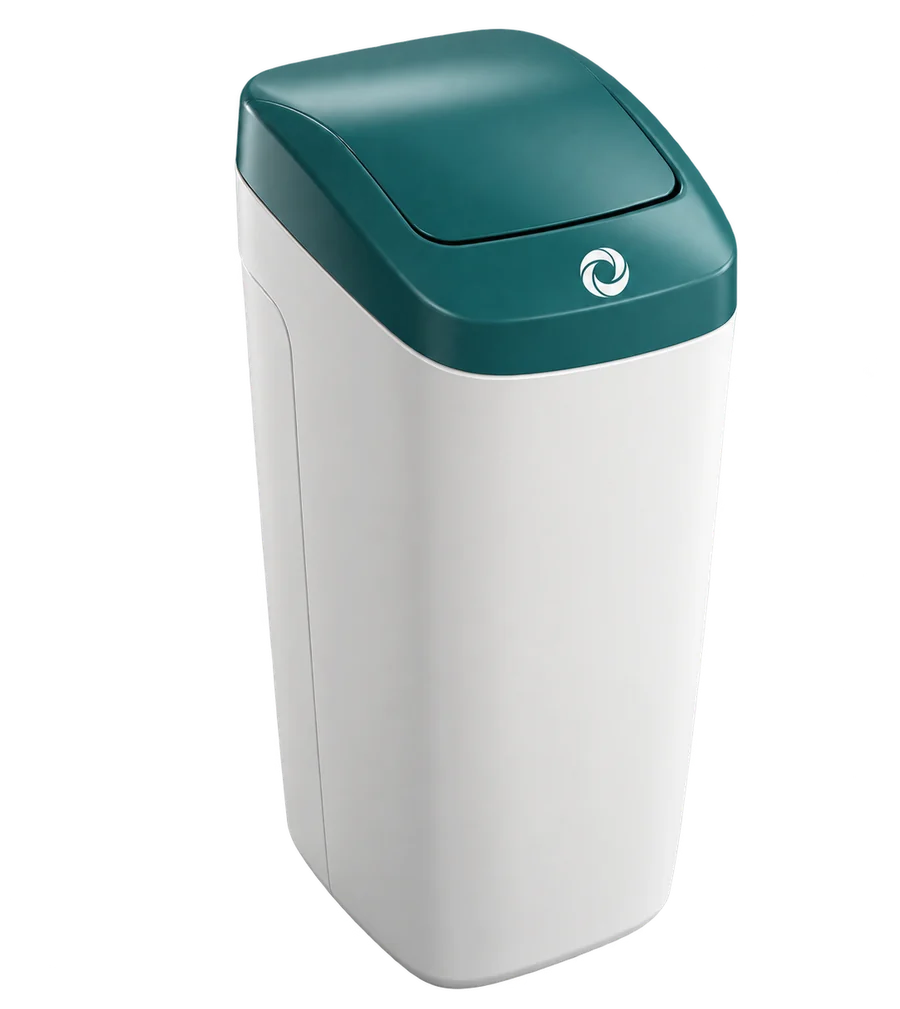
Compare the complete servicing arrangement: containment, cleaning, replacement, collection and accepted waste. A product label alone does not establish hygiene or environmental performance.
The choice comes down to who does the work. A serviced reusable unit is emptied, cleaned and re-stocked by the provider on a schedule. A disposable or self-managed unit is bought once and maintained by whoever cleans your washrooms. Everything else follows from that.
The facts behind the comparison
WorkSafe Victoria's workplace facilities guidance addresses adequate facilities and their maintenance and cleaning. It does not prescribe one commercial sanitary-unit supplier model. Source: WorkSafe Victoria — Workplace facilities and the working environment compliance code.
What to compare
| Decision | Serviced reusable unit | Disposable-unit arrangement |
|---|---|---|
| Service process | Ask how the unit is emptied, cleaned and returned or exchanged. | Ask what is replaced, collected and supplied at each visit. |
| Site needs | Confirm capacity, accessibility and placement. | Confirm capacity, storage and replenishment needs. |
| Contingency | Agree the process for damaged or full units. | Agree the process for supply or collection delays. |
| Evidence | Request handling procedure and destination information. | Request the same information and product specification. |
Serviced reusable units
The provider installs the units and returns on an agreed schedule to empty or exchange them, clean them and replace consumables. What that buys you:
- The unit is maintained to the provider's process rather than to whoever remembered to do it.
- Damaged units are replaced by the provider; there is nothing for you to repair or reorder.
- The provider's technicians handle the waste, not your cleaning staff.
- There is a documented destination for the material, which you can ask to see.
What you give up:
- An ongoing charge for every unit and every visit, whatever the fill level.
- A contract, with a term, a renewal mechanism and a price-adjustment clause to read.
- A visit schedule that is the provider's, not yours — so check how extra or missed visits are handled.
- Less say over the units and the products used in them.
Disposable, self-managed units
You buy a wall-mounted or free-standing unit and manage the liners and disposal yourself. What that buys you:
- No service contract and no recurring per-visit charge.
- You set the replacement schedule, including at short notice in a busy week.
- Full choice of unit and consumables.
What you give up:
- Your own staff handle the waste, which means training, gloves and a written procedure are your responsibility.
- Consumables have to be ordered and kept in stock, and storage space found for them.
- Hygiene depends on the routine actually being followed, and units are not professionally cleaned or replaced.
- You are responsible for confirming the disposal route is acceptable to your waste collector.
Who handles the waste
This is the difference that is usually decided first. In a serviced arrangement the provider's technicians do the handling, with their own equipment and procedure. In a self-managed arrangement your cleaners do it, and the training, protective equipment and written procedure become yours to provide and document. Whichever way you go, get the handling procedure and the disposal destination in writing from whoever is doing it.
Before you decide
- Assess use levels and the staff or visitors relying on each facility.
- Compare service frequencies and cleaning responsibilities in writing.
- Ask which waste is accepted and how inappropriate items are handled.
- Review performance after installation and adjust where necessary.
Choosing between them
A serviced arrangement tends to suit sites where washrooms are used by staff or the public every day, where nobody on site wants to own the handling, or where you need the disposal route documented. A self-managed arrangement tends to suit very small or low-traffic premises with one or two facilities, where someone is already responsible for the washroom and the volume is genuinely small.
There is no employee count at which one becomes correct. Work from who uses the facilities, how often the units actually fill, and who is going to do the handling — then price both properly, with every charge shown, over the same period.
What this comparison cannot tell you
No blanket legal mandate for one service model is established here. Do not claim a reusable or disposable option has lower emissions without a comparison covering manufacture, cleaning, transport and disposal. We have not verified a current market-rate range for either arrangement, so treat any per-unit figure you are quoted as that supplier's price.
Related decisions
Explore the related comparison · Explore waste services
Discuss your waste setup with Bundle Waste.
Frequently asked questions
How many sanitary units does my workplace need?
How often should sanitary units be serviced?
Is providing sanitary disposal a legal requirement in Victoria?
What is the practical difference in who handles the waste?
Is sanitary waste clinical waste?
Sources
- WorkSafe Victoria — Workplace facilities and the working environment compliance code. What it contains; scope and status of guidance. Checked 18 September 2026.
- EPA Victoria — Classification of clinical and related industrial waste. Checked 21 September 2026; clinical waste inclusions, and the sanitary napkin exclusion for non-patient areas and commercial premises.