Start with the materials your business produces. We look at separation, storage and collection options for the way your site works.
Food waste
Understand what is produced and where it can be kept separate.
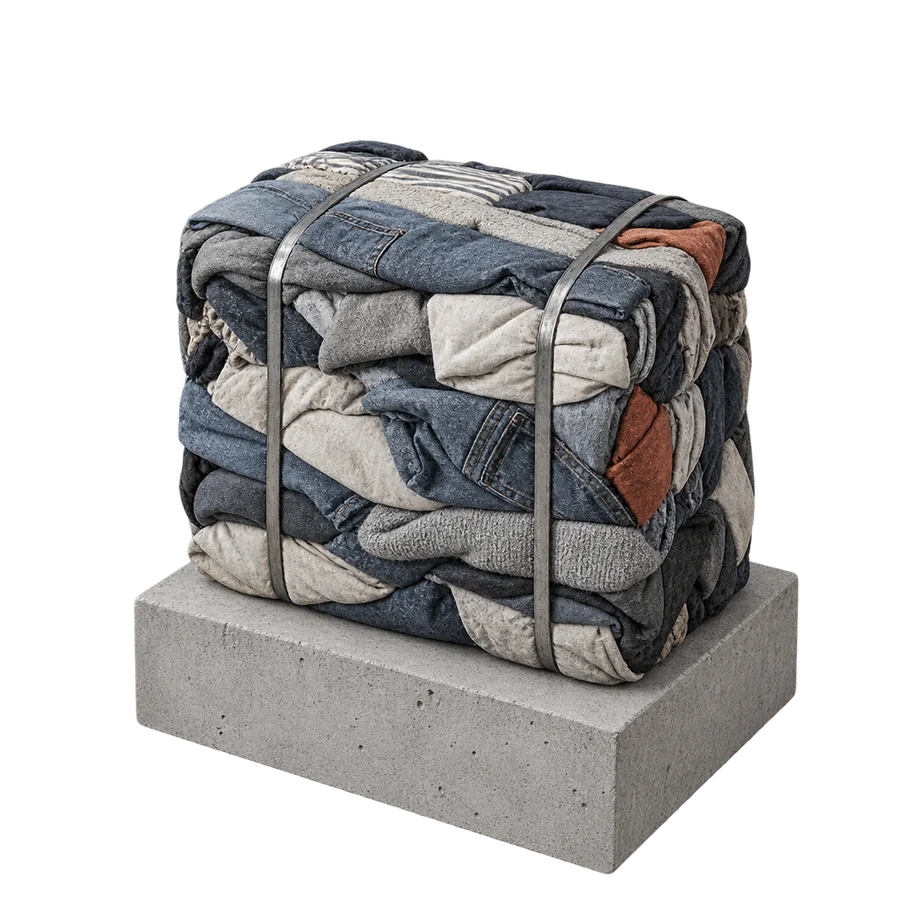
Linen waste
Match the collection arrangement to the material your site produces.
General waste
Match the collection arrangement to the material your site produces.
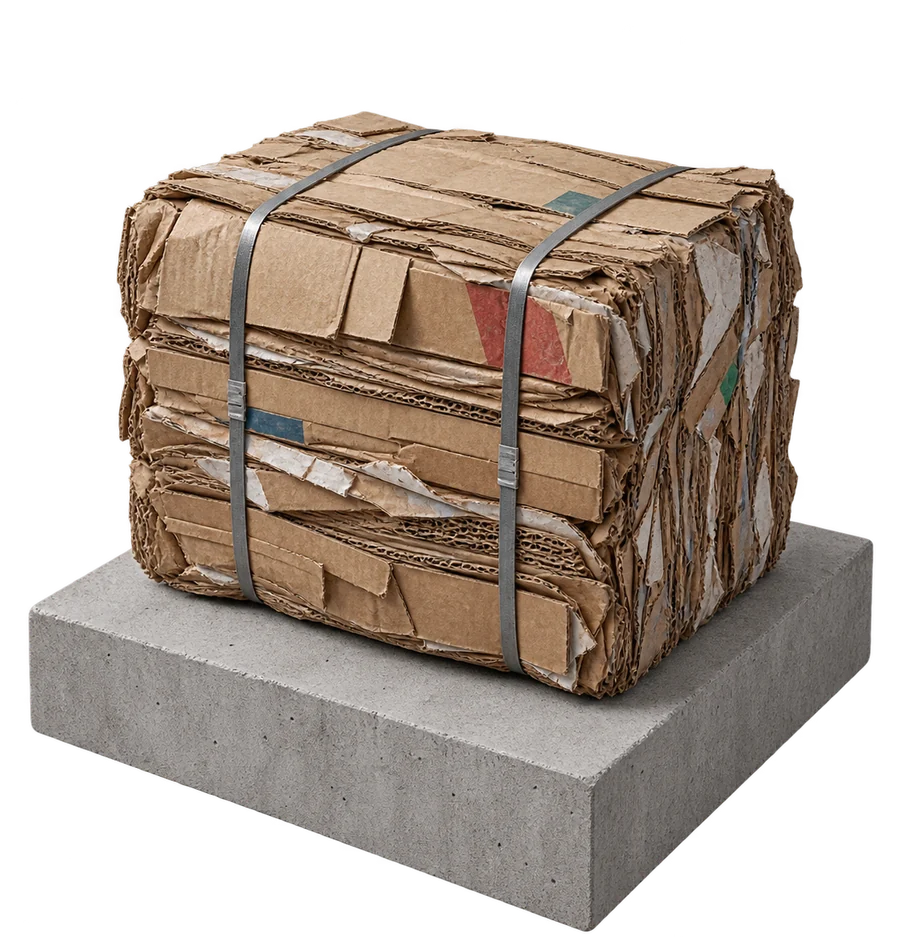
Recycling
Match the collection arrangement to the material your site produces.
Operations
Plan the collection around your site.
Every operation is different. Start with where materials arise, where bins fit and how a collection vehicle reaches them.
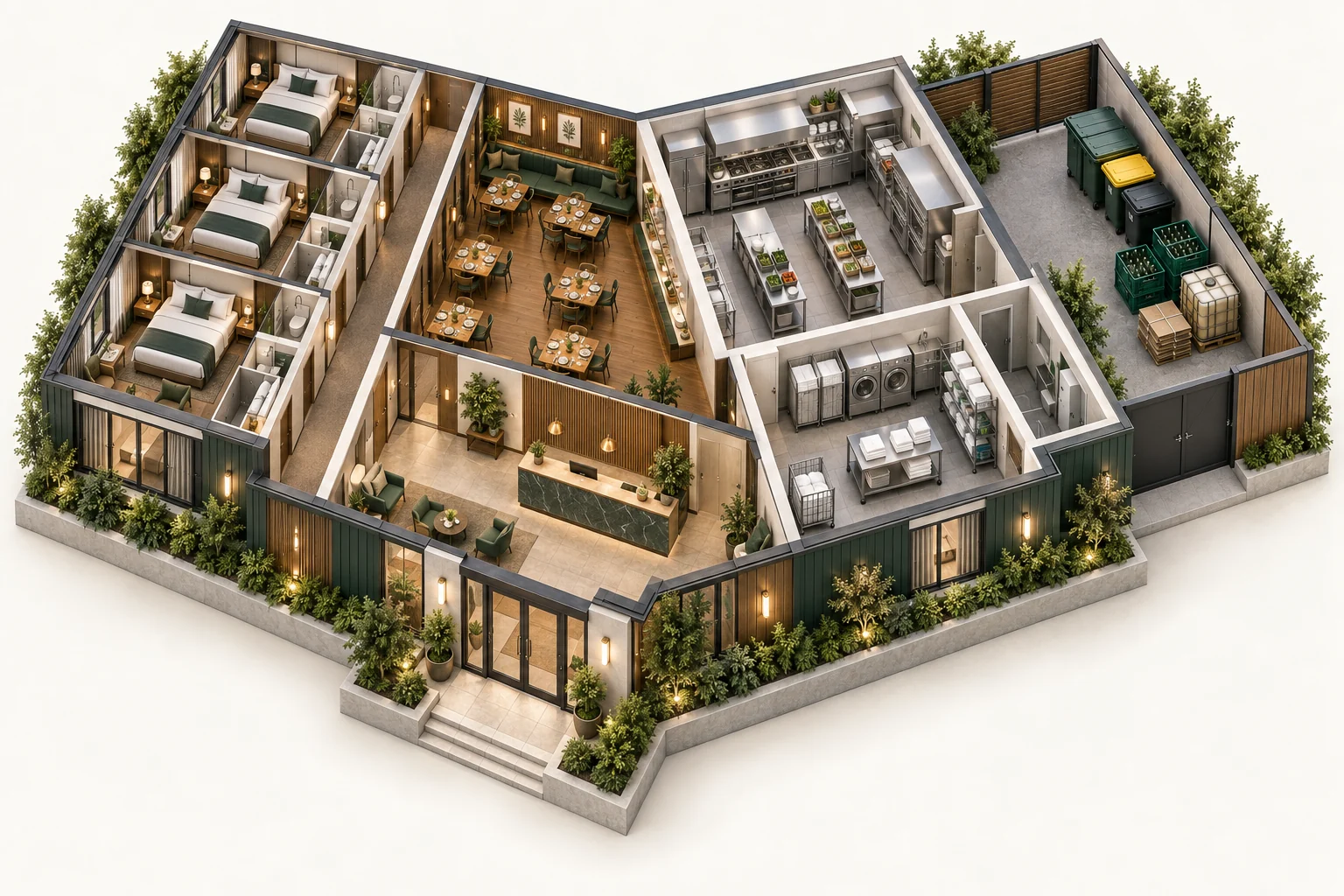
Identify usable bin space, separation points and a practical route from each work area.
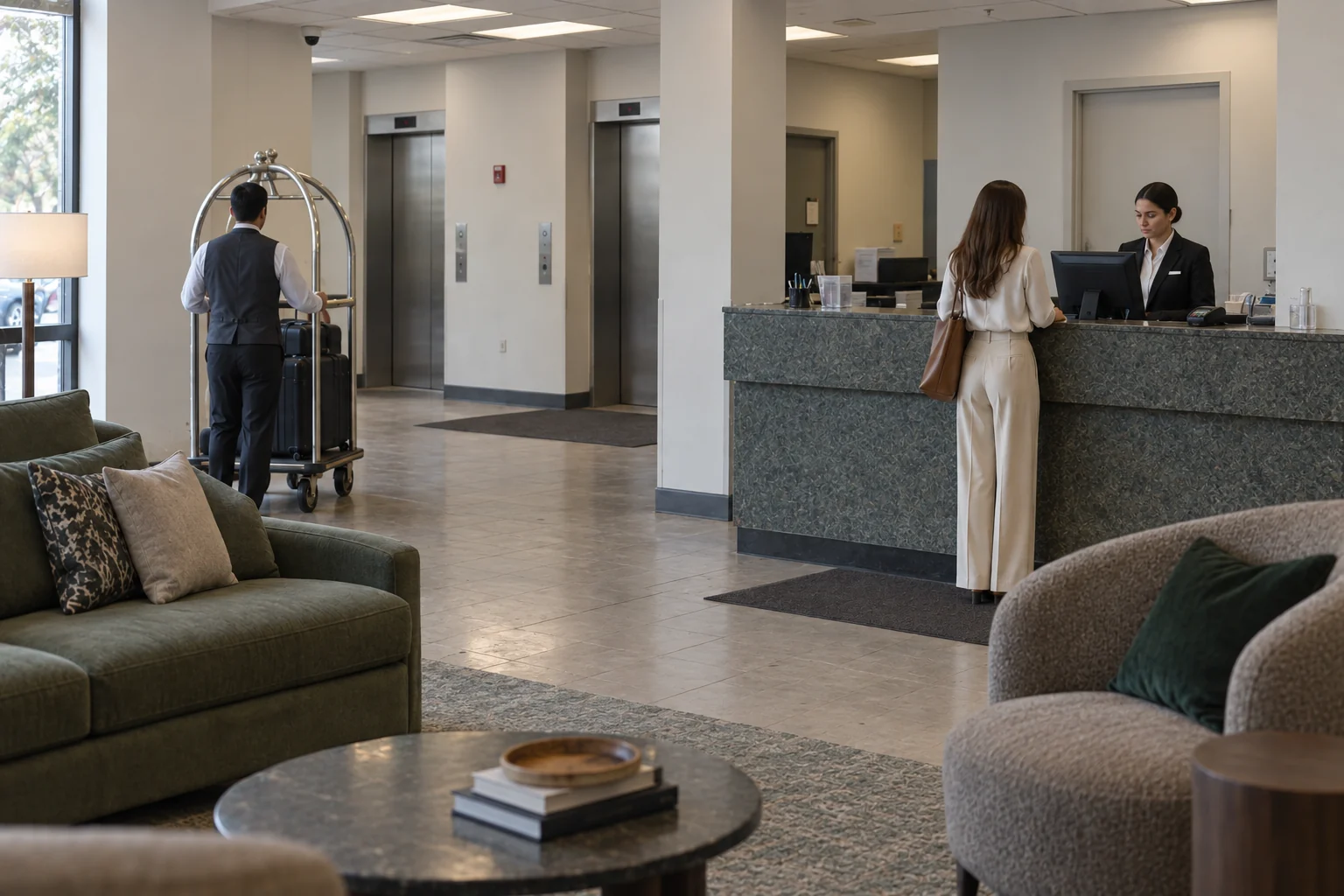
01Guest areas
02Back of house
03Storage
04Collection
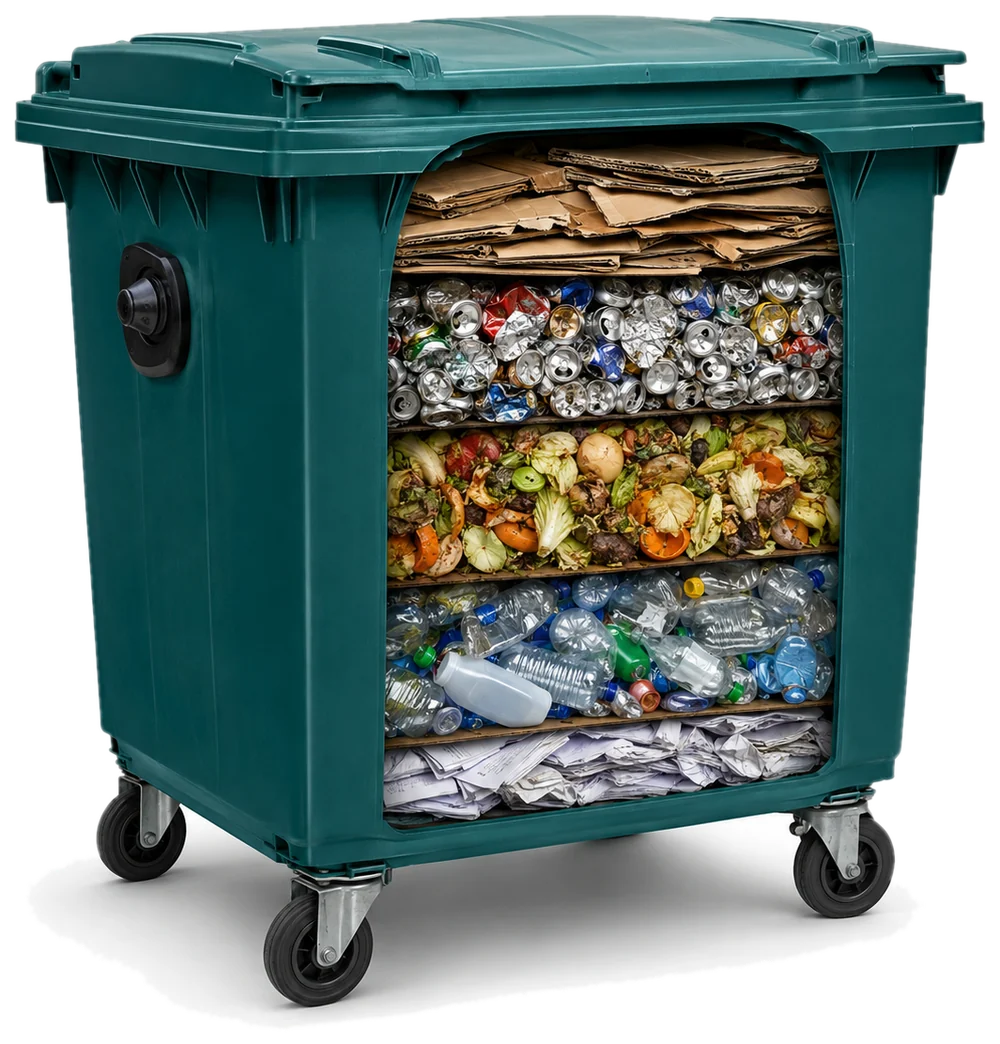
Storage & separation
Illustrative business setting · your actual site is assessed individually
Build the brief
What we need to understand your operation.
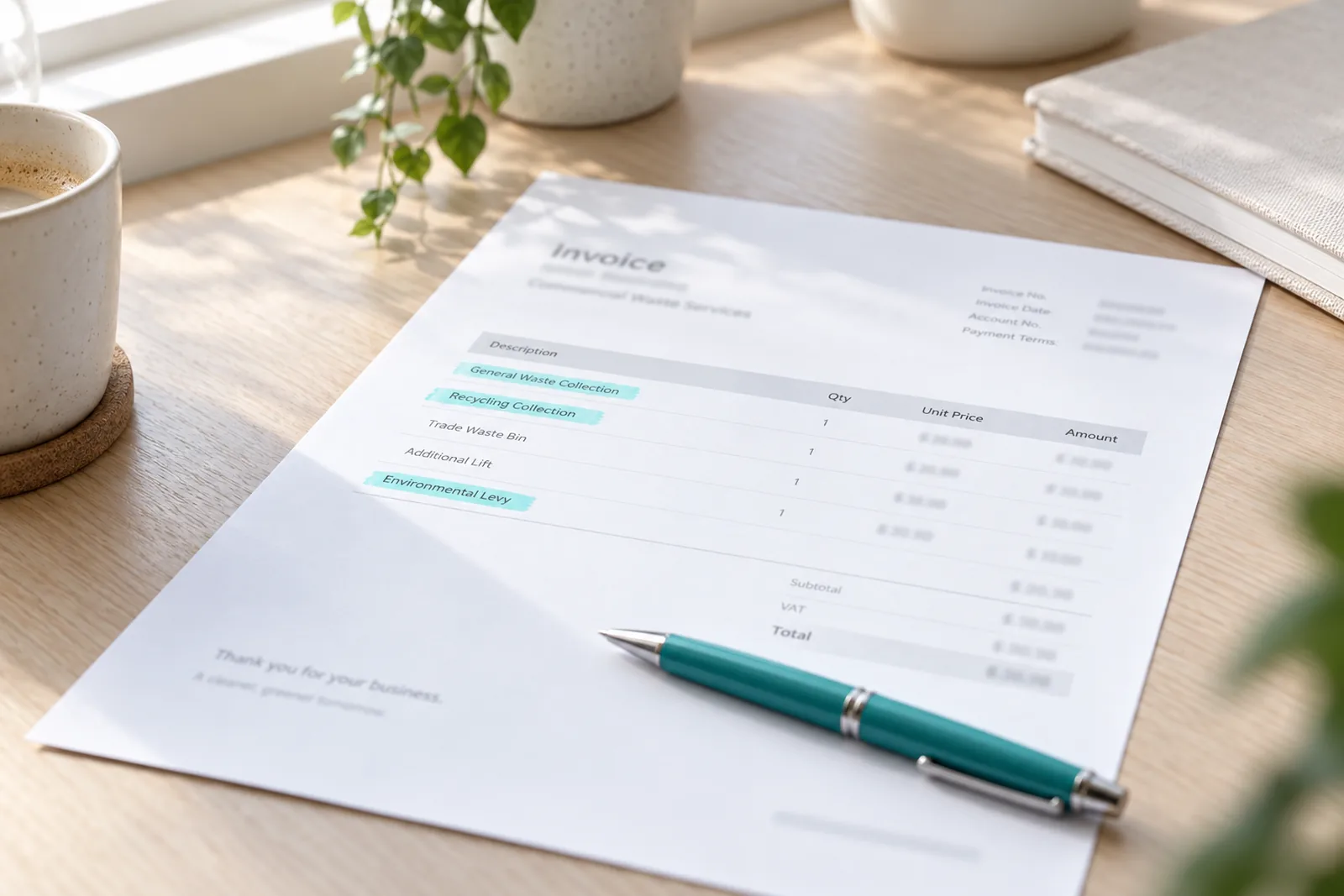
Your invoice
Current services, charges and contract information.
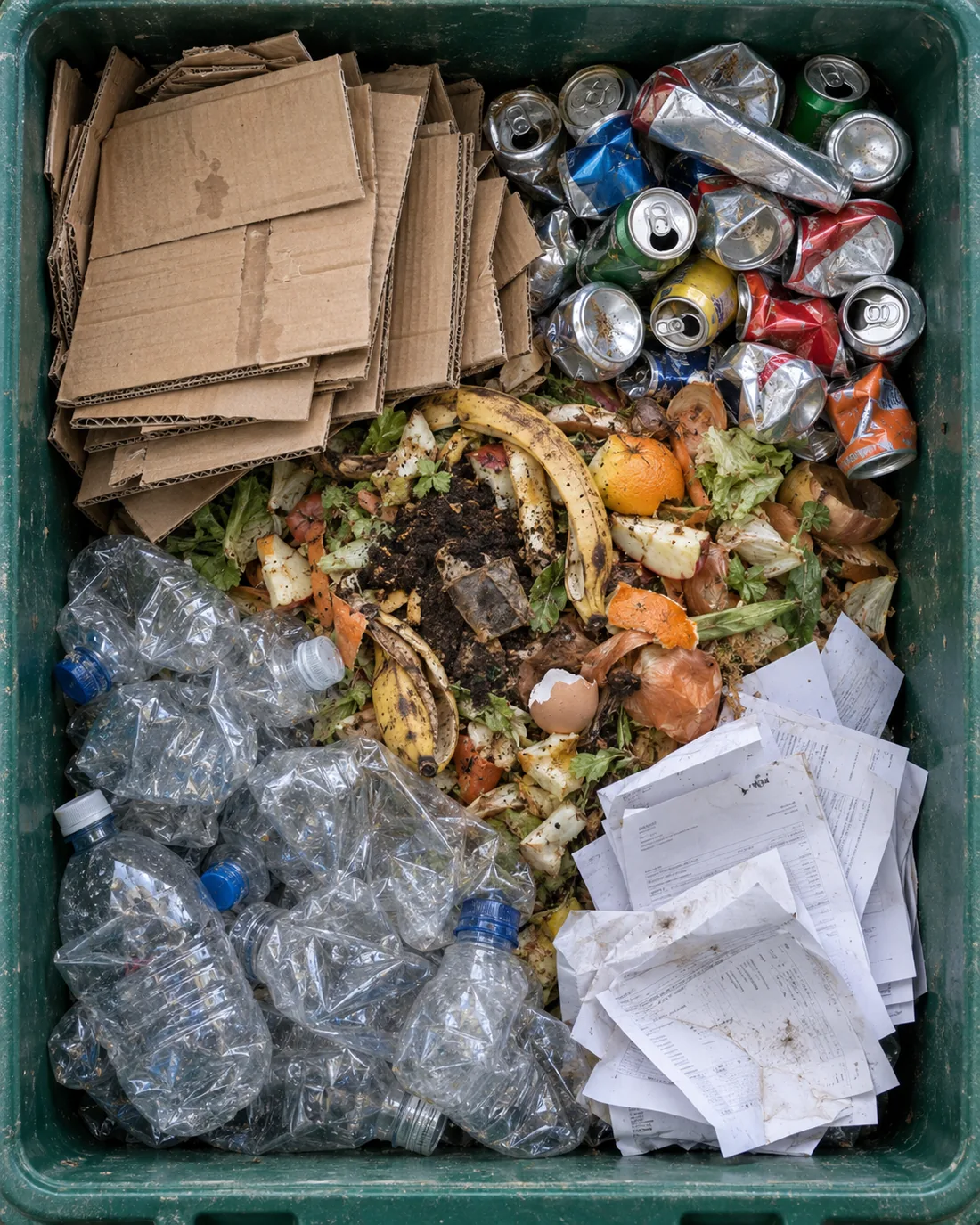
Your materials
The streams you produce and how they are separated.
Access & storage
Available bin space and vehicle access.
Collection windows
Opening hours and preferred collection times.
Hotels & Accommodation7 min readBy Pedro CarreiraUpdated 3 September 2026
$2,000-8,000
Typical Monthly Spend
Melbourne Inner
Service Area
up to 30%
Typical Savings
Hotels & Accommodation businesses in Melbourne Inner have specific waste management requirements. From food waste to linen waste disposal, Bundle Waste works with a network of providers to find the most cost-effective waste solution for your hotels & accommodation business.
Hotels & Accommodation in Melbourne Inner
The hotels & accommodation sector in Melbourne Inner presents specific waste management needs. Melbourne's inner suburbs are a vibrant mix of creative industries, hospitality, retail, and professional services. Richmond, Cremorne, and Collingwood have become a technology and startup hub, while Fitzroy and Prahran are renowned for their hospitality and boutique retail scenes. South Melbourne and Port Melbourne combine commercial offices with light industrial and maritime-related businesses. Businesses in this sector typically generate food waste, linen waste, general waste waste streams.
Common Waste Streams
food waste
linen waste
general waste
recycling
glass bottles
cardboard
amenity packaging
grease trap waste
Local Regulations and Compliance
Businesses in the hotels & accommodation sector must comply with Victorian waste regulations including the Environment Protection Act 2017 and general environmental duty obligations.
EPA Victoria commercial waste management obligations
Food safety waste disposal under Food Act 1984
Trade waste agreement for kitchen discharge
Grease trap maintenance compliance
Local council noise restrictions on collections
Waste Management Costs for Hotels & Accommodation in Melbourne Inner
Typical monthly waste management spend for hotels & accommodation businesses in Melbourne Inner is $2,000-8,000. Bundle Waste negotiates savings of up to 30% for our hotels & accommodation clients in Melbourne Inner.
How much does hotel waste management cost in Melbourne Inner?+
Hotel waste management in Melbourne Inner typically costs $2,000-8,000 per month depending on room count and food/beverage operations. A 100-room hotel pays roughly $2,000-3,500/month, while a 300+ room hotel with multiple restaurants pays $5,000-8,000/month. Breakdown: general waste ($800-2,500/month), food organics ($300-1,000/month), recycling ($200-600/month), glass ($100-300/month), cardboard ($100-300/month), grease trap ($200-500/quarter), and sanitary services ($100-300/month).
How can hotels reduce food waste costs?+
Hotels can significantly reduce costs by diverting food waste from general waste to organics processing. With general waste costing $180-250/tonne (including landfill levy) versus organics at $60-80/tonne, diversion saves $100-170 per tonne. A 200-room hotel generating 500-1,000kg of food waste weekly can save $500-1,500/month. Key strategies: separate kitchen prep waste, plate scrapings, and buffet waste into dedicated bins. Track waste by outlet to identify reduction opportunities. Some hotels achieve 50% food waste reduction through portion control and menu planning.
What recycling challenges do hotels face?+
The biggest challenge is guest room recycling contamination. Despite in-room recycling bins, guests mix waste types, contaminating entire loads. Solutions include clear visual signage (images, not text), colour-coded bins, housekeeping staff sorting at collection, and back-of-house centralised sorting stations. Conference and events areas need dedicated recycling stations with attendants during large functions. Cardboard from deliveries should be baled or compacted — many hotels recover $50-100/month from cardboard recycling.
What are waste costs for businesses in Melbourne's inner suburbs?+
Inner Melbourne suburbs (South Yarra, Fitzroy, Collingwood, Richmond) have costs 5–15% above outer suburbs due to access constraints. Narrow laneways require smaller bins or bag collections at $5–12 per bag. Average inner-suburb business spends $200–450/month.
How should a small bar manage waste compared to a large pub?+
A small bar (50–80 capacity) needs: 1x 660L general waste (2–3x/week), 1x 240L recycling (2x/week), 1x 240L glass (2x/week). Monthly cost: $200–400 vs $600–1,200 for a large pub. Small bars in inner-city laneways may need smaller 240L bins due to access. Share glass bins with neighbouring venues to reduce costs by up to 25%.
How does waste management work for businesses in heritage-listed buildings?+
Heritage buildings present unique waste challenges: limited bin storage in original structures, restrictions on external modifications for bin enclosures, narrow internal access for wheeled bins, and heritage overlay constraints. Solutions: smaller bin sizes (240L vs 1100L), bag collection services ($5–12/bag), shared arrangements with neighbours, and creative use of rear laneways. Costs are typically 10–20% higher than comparable non-heritage premises.
How should businesses in a Melbourne laneway manage waste?+
Laneway businesses (typical in CBD, Fitzroy, Collingwood) face extreme space constraints. Solutions: 240L bins only (no room for larger), bag collection service ($5–12 per bag), shared bins with neighbours, after-hours collection to avoid pedestrian conflicts, and wall-mounted bin racks. Monthly cost: $150–400. Some laneways have council-coordinated waste services — check with City of Melbourne.
Free Waste Audit for Hotels & Accommodation in Melbourne Inner
We specialise in Hotels & Accommodation waste management across Melbourne Inner. Get a free audit and find out how much you could save.
 Bundle Waste