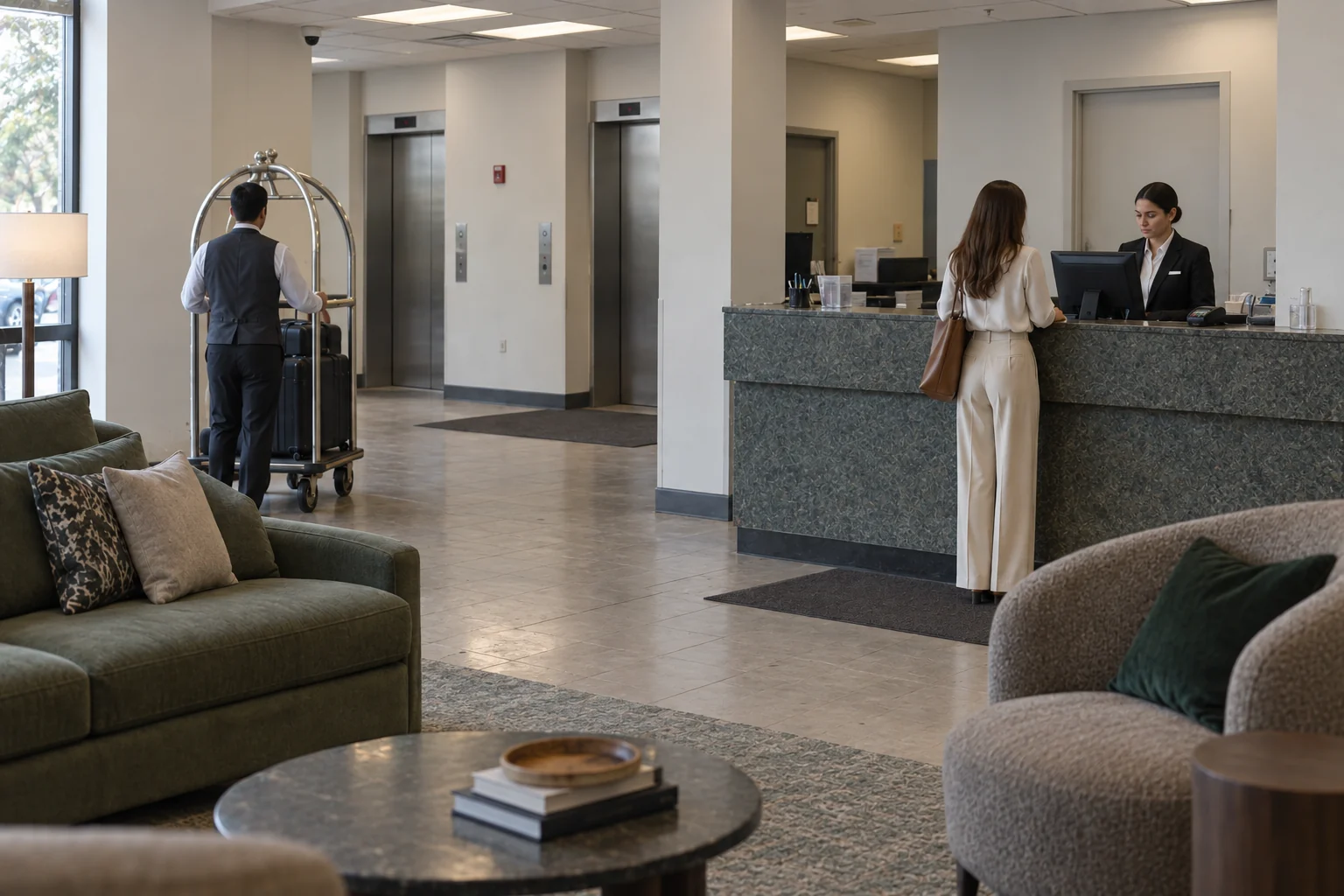
Managing waste in the hotels & accommodation sector requires understanding specific waste streams, compliance requirements, and cost-effective disposal options. Hotels generate diverse waste streams across rooms, restaurants, conference facilities, and back-of-house areas. Food waste volumes are significant from restaurants and room service. Guest rooms produce mixed waste with poor recycling compliance. Amenity packaging (shampoo bottles, soap wrappers) creates high plastic volumes. CBD hotels face tight loading dock schedules and noise restrictions. Large conference events create sudden waste spikes requiring flexible collection. Bundle Waste specialises in helping hotels & accommodation businesses across Melbourne find the best waste management rates.
Hotels generate diverse waste streams across rooms, restaurants, conference facilities, and back-of-house areas. Food waste volumes are significant from restaurants and room service. Guest rooms produce mixed waste with poor recycling compliance. Amenity packaging (shampoo bottles, soap wrappers) creates high plastic volumes. CBD hotels face tight loading dock schedules and noise restrictions. Large conference events create sudden waste spikes requiring flexible collection.
How much does hotel waste management cost in Melbourne?+
Hotel waste management in Melbourne typically costs $2,000-8,000 per month depending on room count and food/beverage operations. A 100-room hotel pays roughly $2,000-3,500/month, while a 300+ room hotel with multiple restaurants pays $5,000-8,000/month. Breakdown: general waste ($800-2,500/month), food organics ($300-1,000/month), recycling ($200-600/month), glass ($100-300/month), cardboard ($100-300/month), grease trap ($200-500/quarter), and sanitary services ($100-300/month).
How can hotels reduce food waste costs?+
Hotels can significantly reduce costs by diverting food waste from general waste to organics processing. With general waste costing $180-250/tonne (including landfill levy) versus organics at $60-80/tonne, diversion saves $100-170 per tonne. A 200-room hotel generating 500-1,000kg of food waste weekly can save $500-1,500/month. Key strategies: separate kitchen prep waste, plate scrapings, and buffet waste into dedicated bins. Track waste by outlet to identify reduction opportunities. Some hotels achieve 50% food waste reduction through portion control and menu planning.
What recycling challenges do hotels face?+
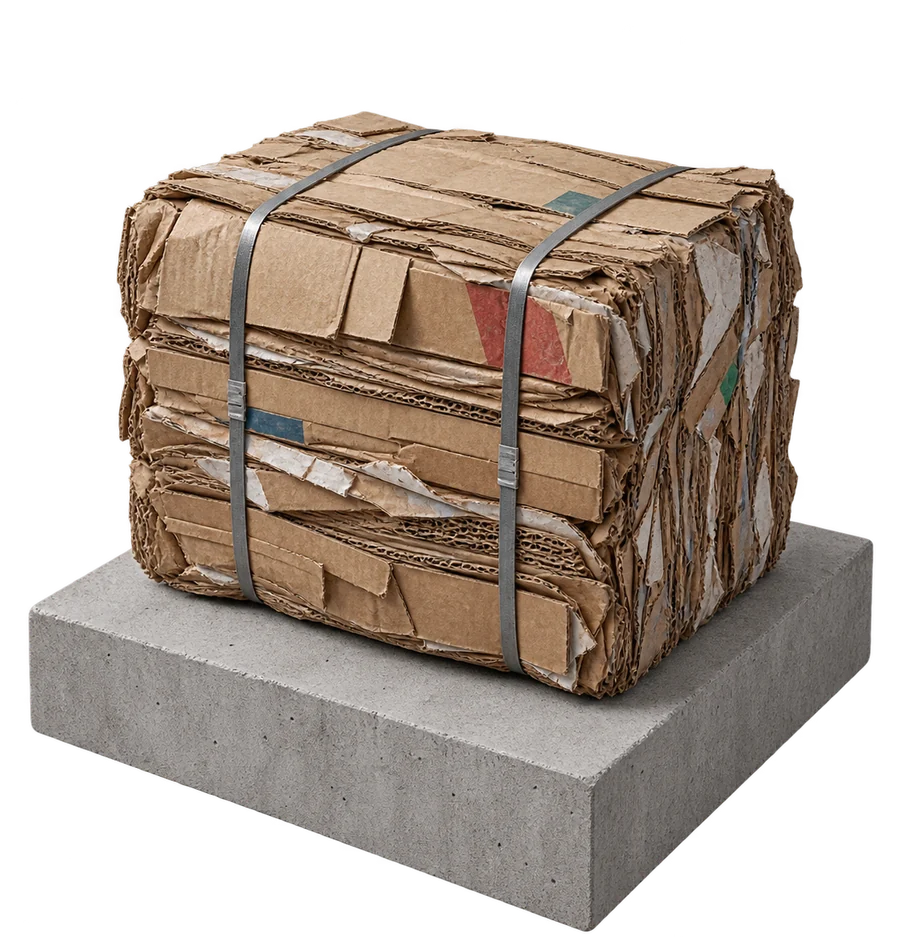
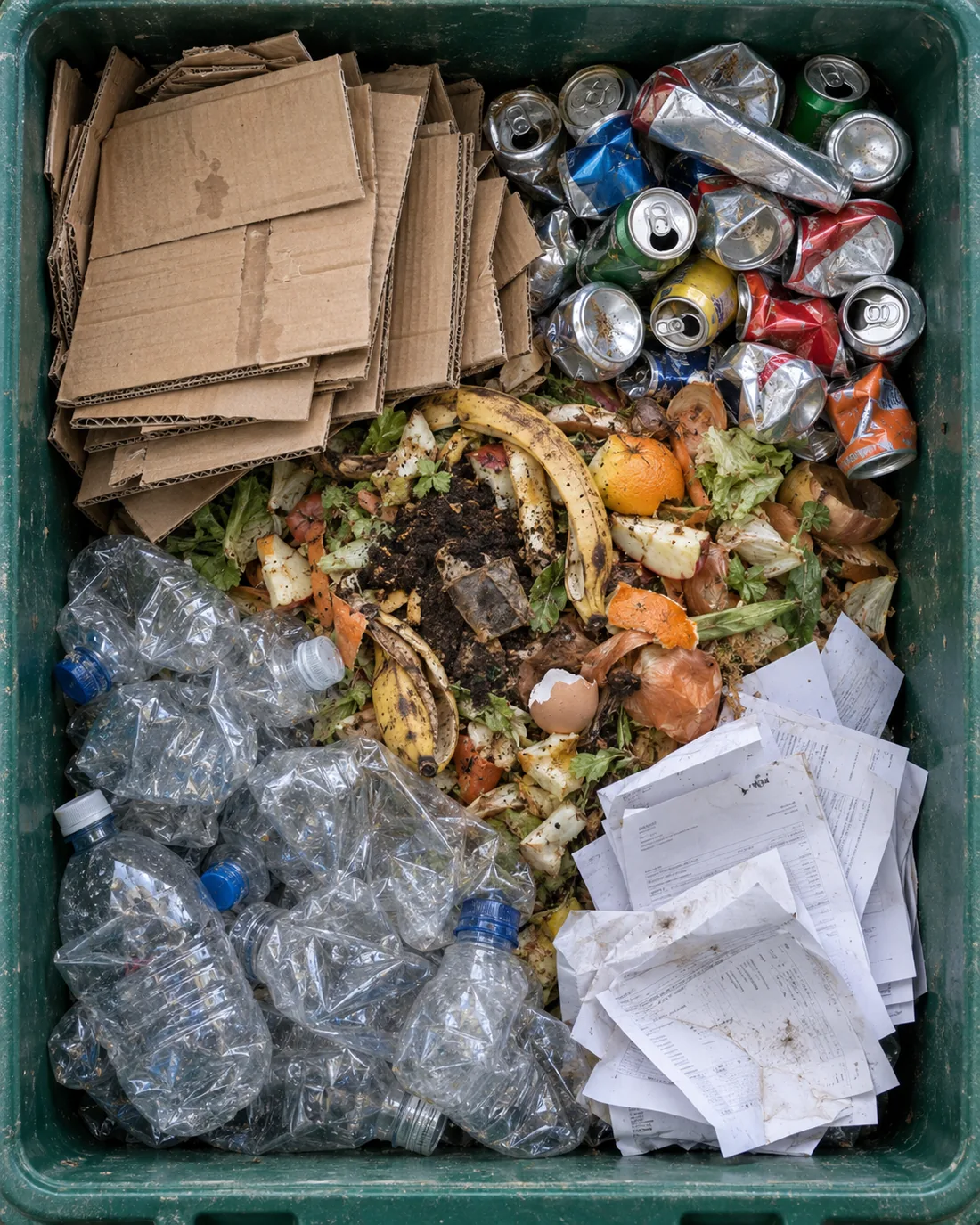
The biggest challenge is guest room recycling contamination. Despite in-room recycling bins, guests mix waste types, contaminating entire loads. Solutions include clear visual signage (images, not text), colour-coded bins, housekeeping staff sorting at collection, and back-of-house centralised sorting stations. Conference and events areas need dedicated recycling stations with attendants during large functions. Cardboard from deliveries should be baled or compacted — many hotels recover $50-100/month from cardboard recycling.
Do hotels need a grease trap and how is it maintained?+
Yes, any hotel with kitchen facilities discharging to sewer needs a grease trap approved by Melbourne Water under a trade waste agreement. Grease traps must be pumped out regularly — typically monthly for busy hotel kitchens, quarterly for smaller operations. Pump-out costs $200-500 per service. Failure to maintain grease traps can cause sewer blockages, resulting in fines up to $30,000 from the water authority. Keeping maintenance records is essential for compliance.
How should hotels manage amenity packaging waste?+
Single-use amenity bottles (shampoo, conditioner, body wash) generate significant plastic waste. Many Melbourne hotels are switching to wall-mounted refillable dispensers, reducing packaging waste by up to 80% and saving on procurement costs. For hotels still using individual amenities, partially used products should be collected for recycling programs like Clean the World. Outer packaging (cardboard, plastic wrap) from amenity deliveries should be separated for recycling.
What are hazardous waste disposal costs in Melbourne?+
Hazardous waste disposal in Melbourne ranges from $2–15/kg depending on waste type. Chemical waste costs $3–8/kg, asbestos removal $50–80/m², and liquid chemical disposal $300–800 per 200L drum. All hazardous waste must be handled by EPA-licensed transporters under the Environment Protection Act 2017.
How much does clinical waste disposal cost in Melbourne?+
Clinical waste disposal in Melbourne costs $0.80–2.50/litre depending on waste category. Sharps containers (5L) cost $8–15 each, cytotoxic waste $4–8/kg, and anatomical waste $5–12/kg. Healthcare facilities typically spend $300–1,200/month. All clinical waste must comply with EPA Victoria Publication 1669.
How much does grease trap servicing cost in Melbourne?+
Grease trap servicing in Melbourne costs $150–400 per service depending on trap size. A standard 1,000L trap costs $150–250, a 2,000L trap $250–400. Most food businesses need monthly or quarterly servicing. Failure to maintain grease traps can breach your trade-waste agreement, leading to penalties or suspension of your discharge consent by your water authority (such as South East Water or Yarra Valley Water).
What is the difference between clinical and general waste in healthcare?+
Clinical waste causes infection or injury (sharps, cytotoxic, anatomical, infectious). General is non-hazardous (paper, food, packaging). Clinical costs $0.80–2.50/L vs $0.15–0.25/L general. A large share of clinical bins typically contain general waste that could be segregated.
How should a Melbourne hospital manage its waste?+
Hospitals generate 5–10kg/bed/day across: general waste (40–50%), clinical waste (15–25%), recycling (10–15%), food waste (10–15%), pharmaceutical waste (5%), and confidential waste (5%). A 300-bed hospital spends $10,000–50,000/month. Clinical waste separation training is critical — misclassification costs $50,000–200,000/year in unnecessary clinical waste charges.
 Bundle Waste