How should a Melbourne commercial cold-pressed juice company manage waste? How should a Melbourne commercial cold-pressed juice company manage waste?

How should a Melbourne commercial cold-pressed juice company manage waste?

Expert answer from Melbourne's waste management specialists

Cold-pressed juice companies generate very high organic waste: 40–70% of fruit and vegetables becomes pulp.

A company processing 500kg of produce daily generates 200–350kg of pulp. This is the single largest waste stream and cost driver.

Monthly waste: $500–1,500. Pulp has value for: animal feed, dehydrated products (fruit leather), composting, and potentially biogas production.

Partner with farms for free pulp collection.

Key Numbers

  • Produce that becomes pulp: 40–70%
  • Pulp from 500kg of produce daily: 200–350kg
  • Typical monthly waste cost: $500–1,500
  • Metro landfill levy (2025–26): $169.79/tonne
  • FOGO statewide: by 2030

What You Need to Know

For a cold-pressed juice operation, pulp is the business's biggest waste line — and the single fastest cost to cut, because sending wet organics to landfill means paying the metro levy on every tonne. The order in which you chase value matters:

  • Animal feed — fresh pulp collected by a farm, often at no charge to you
  • Dehydrated products — fruit leather and powders that turn waste into a second product line
  • Composting — the FOGO-aligned default when feed or value-add isn't available
  • Biogas production — for larger volumes where an energy-recovery outlet exists

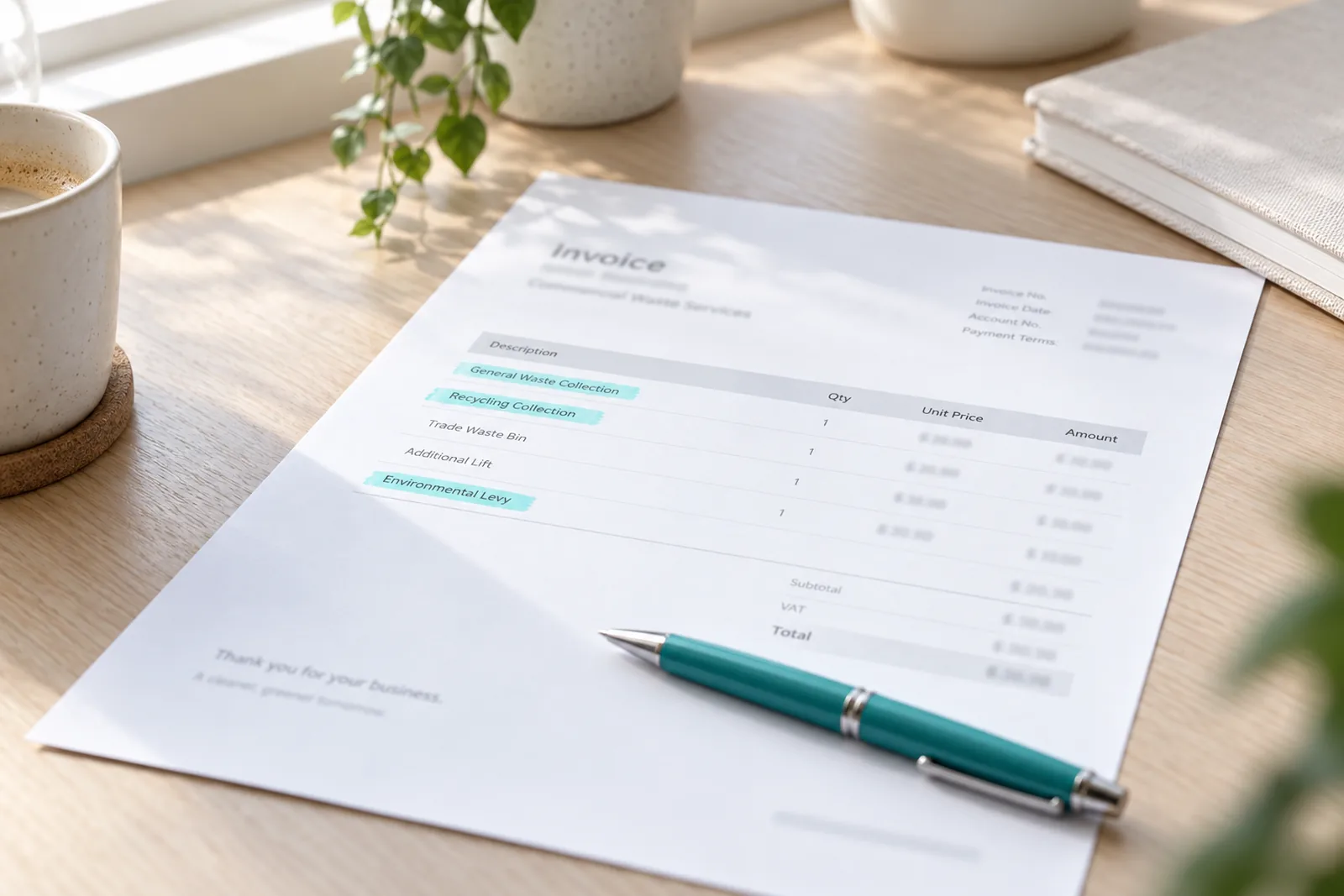
Diverting pulp also keeps you ahead of the FOGO (Food Organics Garden Organics) Policy, which is rolling out statewide by 2030 and pushes commercial food organics out of general bins. Bundle Waste is an independent broker: our free invoice audit checks whether you're paying landfill rates on pulp that should be diverted, compares a network of providers, and we're paid only from the savings we find.

Related Resources

Related Questions

How should a Melbourne commercial fruit and vegetable processor manage waste?+
Fruit and veg processors generate enormous organic waste: 20–60% of raw material becomes waste (peels, stems, seeds, off-cuts). A mid-size processor generates 5–20 tonnes/week of organic waste. Composting at $100–160/tonne is far cheaper than landfill. Some waste streams have value: citrus peel for essential oils, apple pomace for cider, vegetable pulp for animal feed. Monthly waste: $2,000–8,000.
What waste does a Melbourne commercial bakehouse (wholesale) generate?+
Wholesale bakeries generate higher waste volumes than retail bakeries. Ingredient packaging (flour bags, sugar bags) is the largest stream, followed by cardboard delivery boxes and production waste (dough scraps, burnt product), with smaller volumes of pallet wrap and general waste. A bakery producing 5,000+ items daily spends $500–1,500/month. Dough waste and burnt product should go to food organics composting. Flour bags are recyclable if clean.
How should a Melbourne vertical farm manage waste?+
Vertical farms generate: crop residue (compostable), spent growing media (depending on type — some recyclable), nutrient solution waste, plastic packaging, and equipment waste (LED lights — e-waste). Crop residue volume is high relative to facility size. Nutrient runoff must not enter stormwater. Monthly waste: $200–600. Composting crop residue on-site or partnering with local farms is most cost-effective.
How should a Melbourne commercial mushroom farm manage waste?+
Mushroom farms generate: spent mushroom substrate (high volume — excellent soil conditioner, give to farmers or sell at $0–20/tonne), packaging, and general waste. Spent substrate is the dominant waste stream by far. Finding outlets for spent substrate eliminates the largest waste cost. Fresh substrate can be reused 2–3 times. Monthly general waste: $100–300. Substrate disposal if no outlet: $60–100/tonne.
How should a Melbourne plant-based food manufacturer manage waste?+
Plant-based food manufacturers generate: vegetable processing waste (excellent for composting), packaging, wash-down water (trade waste), and general waste. Vegetable processing waste is the dominant stream, with smaller volumes of packaging and general waste alongside trade-waste wash-down water. High-protein waste (e.g., from tofu production) has value as animal feed. Soy whey from tofu is high-BOD trade waste requiring pre-treatment. Monthly waste: $500–2,000. Composting organic waste diverts the majority from landfill at lower cost.

See exactly what you are overpaying

Bundle Waste reviews your current waste invoices and benchmarks them against a network of Melbourne providers — free, with a written report in 5 business days. You will see what you pay now, where the hidden charges are, and the rate we can negotiate. You only pay from the savings we find: no savings, no fee.

Get my free waste audit →

Updated 25 June 2026