How should a Melbourne plant-based food manufacturer manage waste? How should a Melbourne plant-based food manufacturer manage waste?

How should a Melbourne plant-based food manufacturer manage waste?

Expert answer from Melbourne's waste management specialists

Plant-based food manufacturers generate: vegetable processing waste (excellent for composting), packaging, wash-down water (trade waste), and general waste.

Vegetable processing waste is the dominant stream, with smaller volumes of packaging and general waste alongside trade-waste wash-down water. High-protein waste (e.g., from tofu production) has value as animal feed.

Soy whey from tofu is high-BOD trade waste requiring pre-treatment. Monthly waste: $500–2,000.

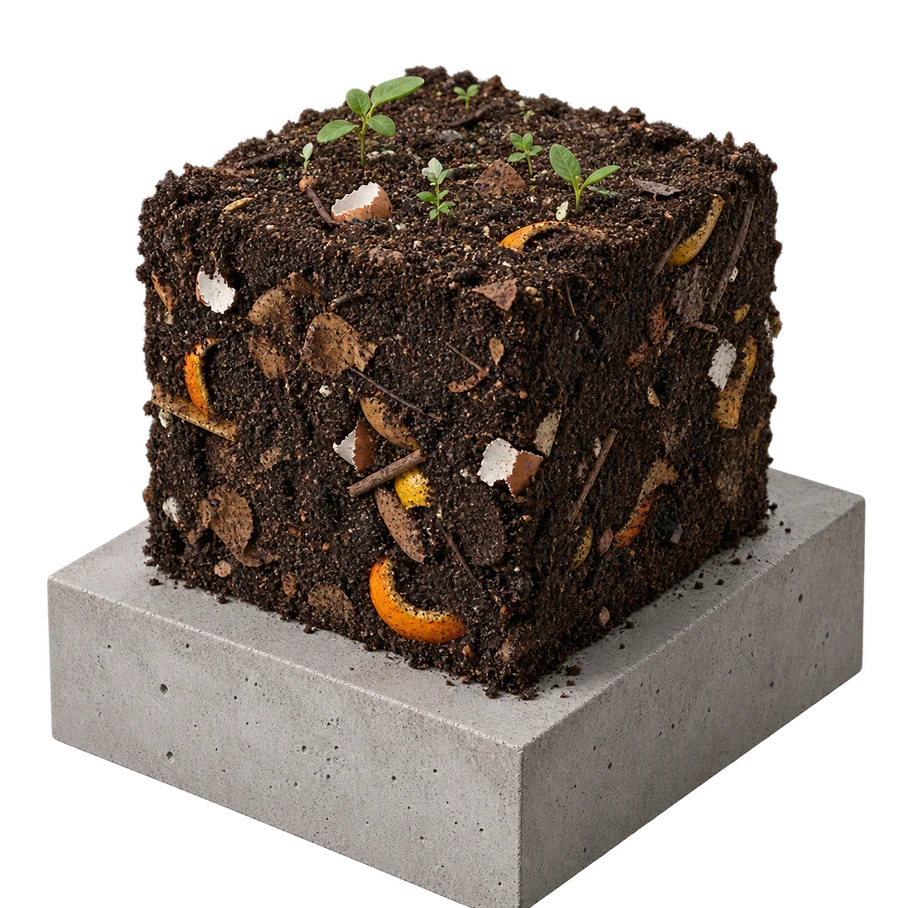
Composting organic waste diverts the majority from landfill at lower cost.

Key Numbers

  • Monthly waste cost: $500–2,000
  • Dominant stream: Vegetable processing waste
  • Soy whey (tofu) handling: High-BOD trade waste
  • Metro landfill levy (2025–26): $169.79/tonne

What You Need to Know

Plant-based manufacturing is organics-heavy, which is good news: the dominant stream is compostable, so the lever is diversion, not disposal. Each stream routes differently:

  • Vegetable processing waste — the dominant stream; composting diverts the majority from landfill at lower cost.
  • High-protein waste (e.g. from tofu production) — has value as animal feed rather than a disposal cost.
  • Soy whey from tofu — high-BOD trade waste requiring pre-treatment before sewer discharge.
  • Packaging and general waste — smaller volumes; separate clean recyclables to keep the general bin lean.

Diverting that organic majority is exactly the behaviour Victoria is mandating under the FOGO (Food Organics Garden Organics) Policy, with every tonne kept out of landfill avoiding the $169.79/tonne metro levy. Bundle Waste is an independent broker: a free invoice audit separates your organics, trade-waste and general costs, compares a network of providers, and we are paid only from the savings we find — up to 30%.

Related Resources

Related Questions

How should food manufacturers manage waste?+
Food manufacturers generate: production waste (5–15% of raw materials), packaging, wash-down water (trade waste), expired product. Mid-size manufacturer: $2,000–8,000/month. Key savings: production waste to animal feed/composting, cardboard baling.
How should wineries manage waste?+
Wineries generate: grape marc/pomace, lees, chemical waste, packaging, wastewater (high BOD). Marc can be composted or used as animal feed. Trade waste agreements required. Mid-size winery: $500–2,000/month.
What waste does a Melbourne microbrewery generate compared to a large brewery?+
Microbreweries (under 200,000L/year) generate proportionally more packaging waste per litre due to smaller batch sizes. Spent grain: 50–200kg/batch (give to local farmers — free). Glass breakage: 2–5% of packaged product. Chemical cleaning waste: smaller volumes but same compliance requirements as large breweries. Monthly waste: $200–600. Trade waste agreement needed regardless of size.
How should a Melbourne distillery manage waste?+
Distilleries generate: spent botanicals and grain (compostable — excellent for farming partnerships), glass breakage, chemical cleaning waste, packaging, and high-strength wastewater (trade waste). Spent botanicals can go to composting or animal feed. Distillery wastewater is very high in BOD — pre-treatment may be required before sewer discharge. Monthly waste: $300–1,000. Trade waste fees: $500–2,000/year.
How should a Melbourne commercial cheese maker manage waste?+
Cheese makers generate: whey (high-BOD liquid — significant trade waste stream), packaging, cleaning chemical waste, brine waste, and general waste. Whey has value as animal feed or whey protein processing. Trade waste agreements are critical as whey discharged untreated can cause major sewer issues. Monthly waste: $300–800. Trade waste fees can be significant ($1,000–5,000/year) without whey management.

See exactly what you are overpaying

Bundle Waste reviews your current waste invoices and benchmarks them against a network of Melbourne providers — free, with a written report in 5 business days. You will see what you pay now, where the hidden charges are, and the rate we can negotiate. You only pay from the savings we find: no savings, no fee.

Get my free waste audit →

Updated 25 June 2026