Events
2 min read
By Pedro Carreira
Updated 25 June 2026
Music festivals generate 0.5–2kg per attendee per day.
A 10,000-person, 2-day festival generates 10–40 tonnes of waste. The largest streams are food packaging and drink containers, followed by food waste, with smaller volumes of camping waste and general waste.
Festival waste management costs $10,000–50,000. Mandatory waste management plans for council permits.
Aim for 60%+ diversion with dedicated waste teams.
Key Numbers
- Waste per attendee per day: 0.5–2kg
- 10,000-person, 2-day event: 10–40 tonnes
- Festival waste budget: $10,000–50,000
- Diversion target with dedicated teams: 60%+
- Metro landfill levy (2025–26): $169.79/tonne
What You Need to Know
Festival waste is front-loaded and unforgiving: a 10,000-person, two-day event can put 10–40 tonnes on the ground in two days, and every tonne that ends up as mixed general waste attracts the metro landfill levy on top of the lift fee. The economics swing entirely on stream design at the gate, not clean-up after.
| Stream | Why it matters |
|---|
| Food packaging & drink containers | Largest streams — easiest to divert with paired bins |
| Food waste | Organics route avoids levy and lifts diversion |
| Camping & general waste | Smaller volumes, highest contamination risk |
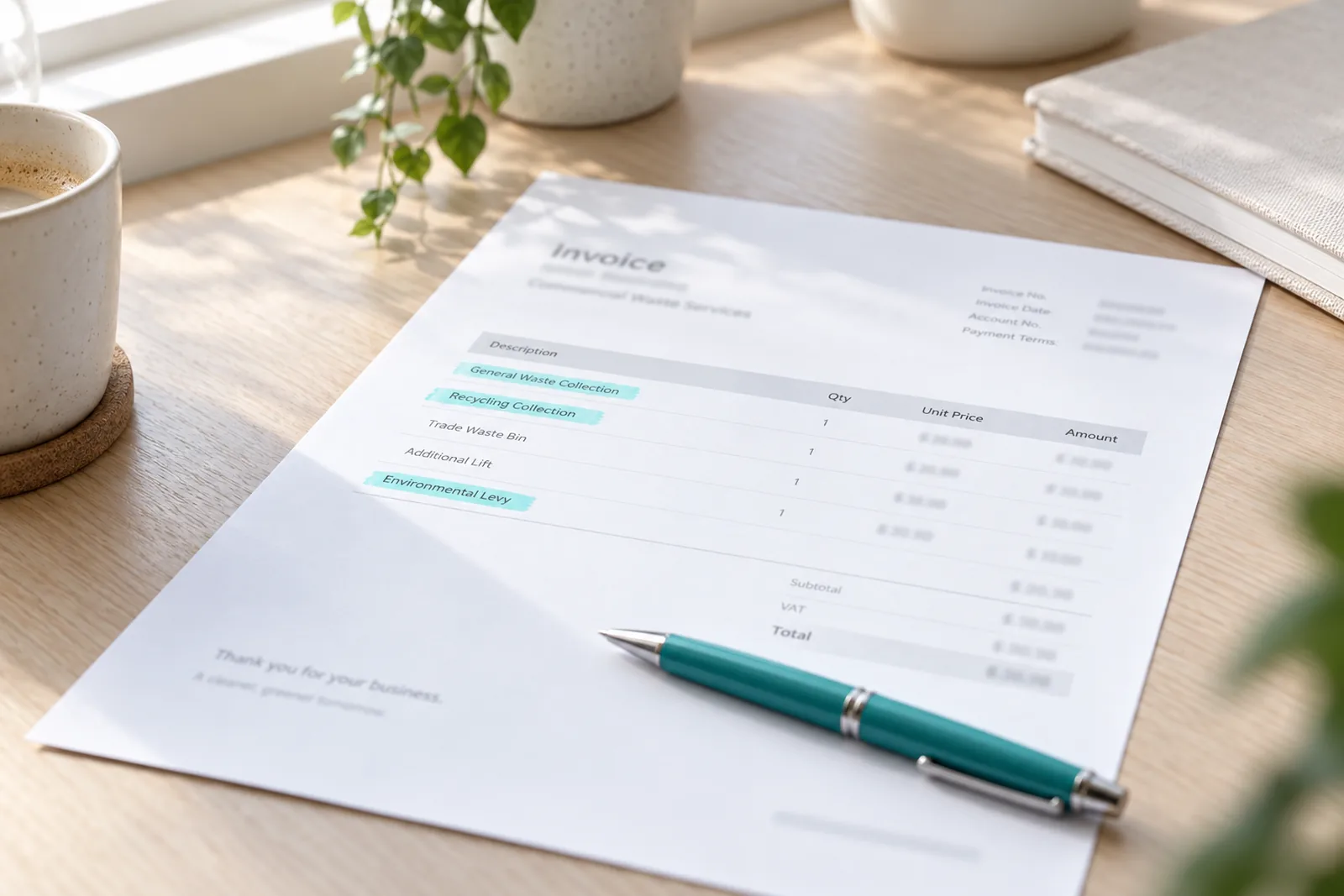
Councils require a waste management plan for the permit, and separating food organics aligns directly with Victoria's FOGO (Food Organics Garden Organics) Policy. Bundle Waste is an independent broker, not a hauler: we run a free invoice audit, benchmark event pricing across a network of providers, and renegotiate — paid only from the savings we find.
Related Resources
Related Questions
How should a Melbourne sports stadium manage waste?+
Stadiums generate 0.3–0.8kg per patron per event. A 50,000-capacity stadium generates 15–40 tonnes per major event. Waste streams: food packaging (35–45%), food waste (20–25%), recyclables (20–25%), general waste (10–15%). Event waste management costs $5,000–15,000 per major event. Pre-event planning includes temporary bin deployment, waste attendant rostering, and post-event cleanup coordination.
How should a Melbourne farmers market manage waste?+
Farmers markets generate: produce waste from damaged and unsold items (40–60%), packaging (20–30%), and general waste (10–20%). Market organisers should provide food organics bins near produce stalls. End-of-market unsold produce can go to food rescue organisations (SecondBite, OzHarvest). Cost per market day: $200–600 depending on size. Require stallholders to take packaging waste home.
What waste management does a Melbourne outdoor cinema need?+
Outdoor cinemas (seasonal, October–March) generate: food packaging, drink containers, food waste, and general waste. Food packaging and drink containers are the largest streams, with smaller volumes of food waste and general waste. Per-session waste: 0.3–0.5kg per patron. Temporary bin stations with three streams are essential. Post-event site cleanup is critical. Seasonal waste contract: $500–2,000/month during operating season. CDS Vic container refunds can fund sustainability initiatives.
What waste do events and venues generate in Melbourne?+
Events generate 0.5–2kg per attendee. A 1,000-person event produces 500–2,000kg. Event waste management plans are required by most councils and venues. Costs: $500–5,000 per event.
How should a church or community hall manage waste?+
Community facilities generate: food waste from events (30–40%), recyclables from gatherings (20–30%), paper/newsletters (10–15%), general waste (20–30%). Most need only 1–2x 240L bins collected weekly. Monthly cost: $60–150. Increase frequency before/after major events like fetes or fundraisers.
See exactly what you are overpaying
Bundle Waste reviews your current waste invoices and benchmarks them against a network of Melbourne providers — free, with a written report in 5 business days. You will see what you pay now, where the hidden charges are, and the rate we can negotiate. You only pay from the savings we find: no savings, no fee.
Get my free waste audit →
Updated 25 June 2026