$800-3,500
Typical Monthly Spend
up to 30%
Typical Savings
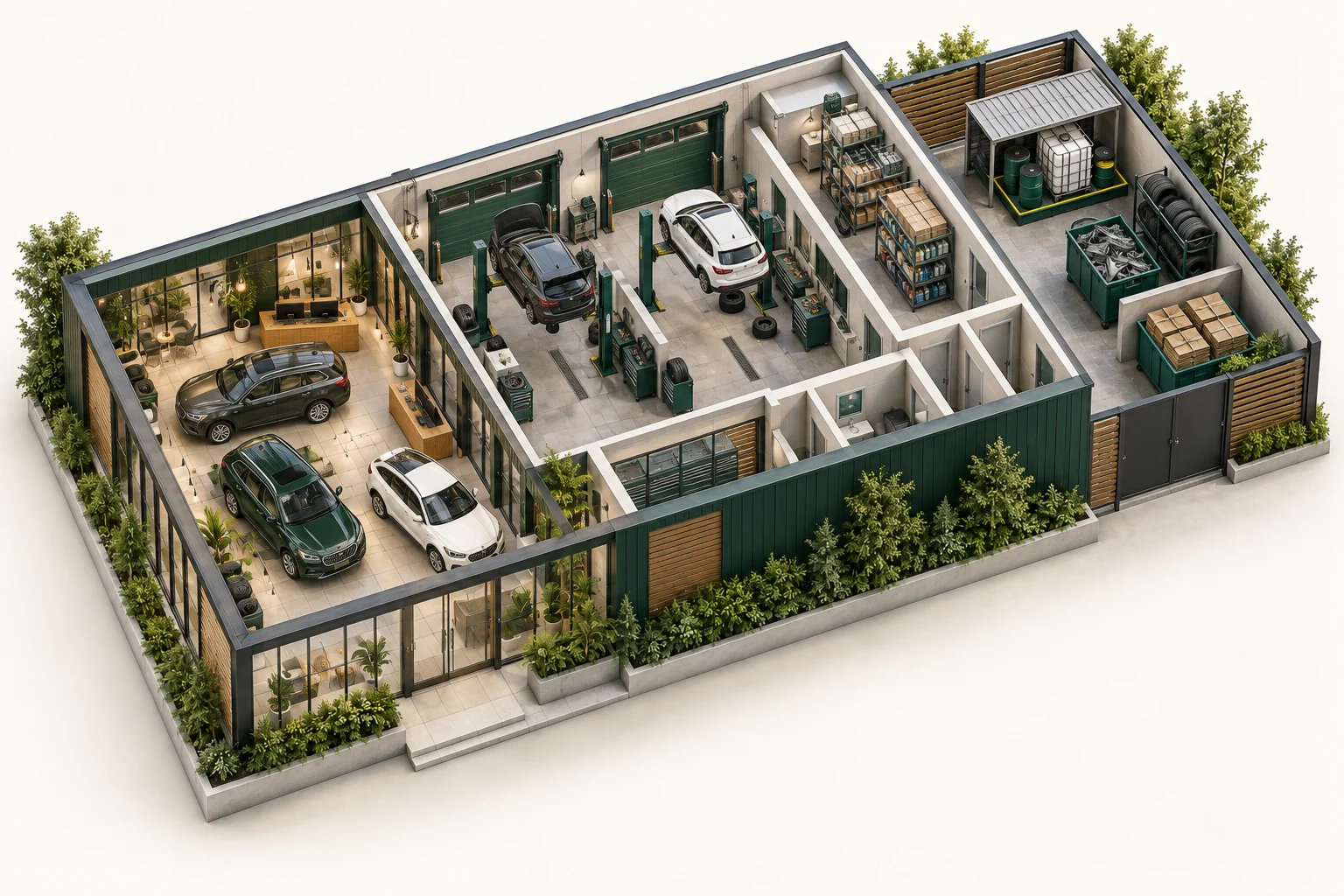
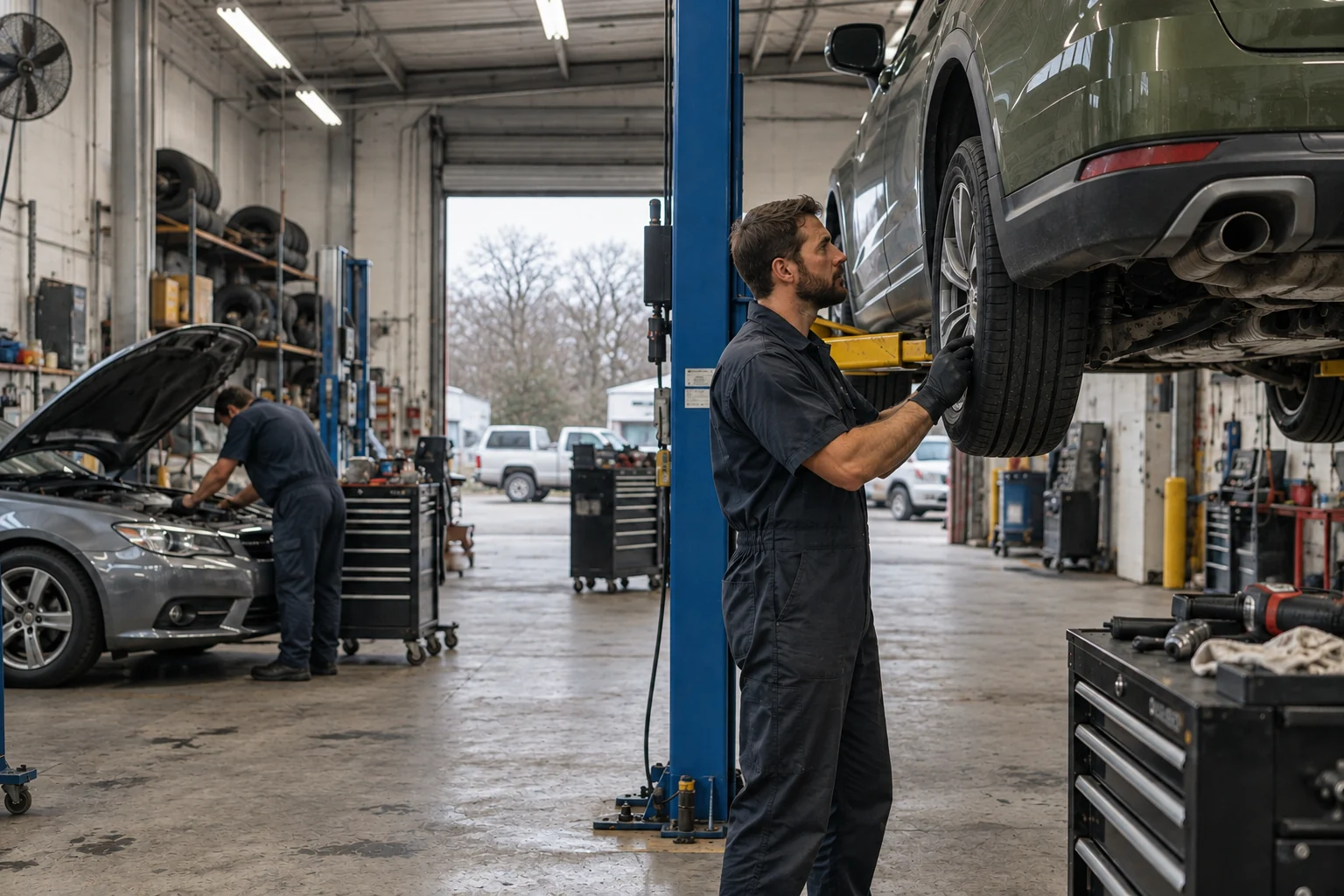
Managing waste in the automotive dealerships sector requires understanding specific waste streams, compliance requirements, and cost-effective disposal options. Automotive dealerships generate a complex mix of prescribed industrial waste (used oil, solvents, paint) alongside standard commercial waste. Workshop and service areas produce hazardous waste streams requiring licensed transporters. Tyre disposal costs are significant, and illegal dumping penalties are severe. Wash bay water must meet trade waste standards. Many dealerships overpay because they lack visibility on market rates for specialist waste streams. Bundle Waste specialises in helping automotive dealerships businesses across Melbourne find the best waste management rates.
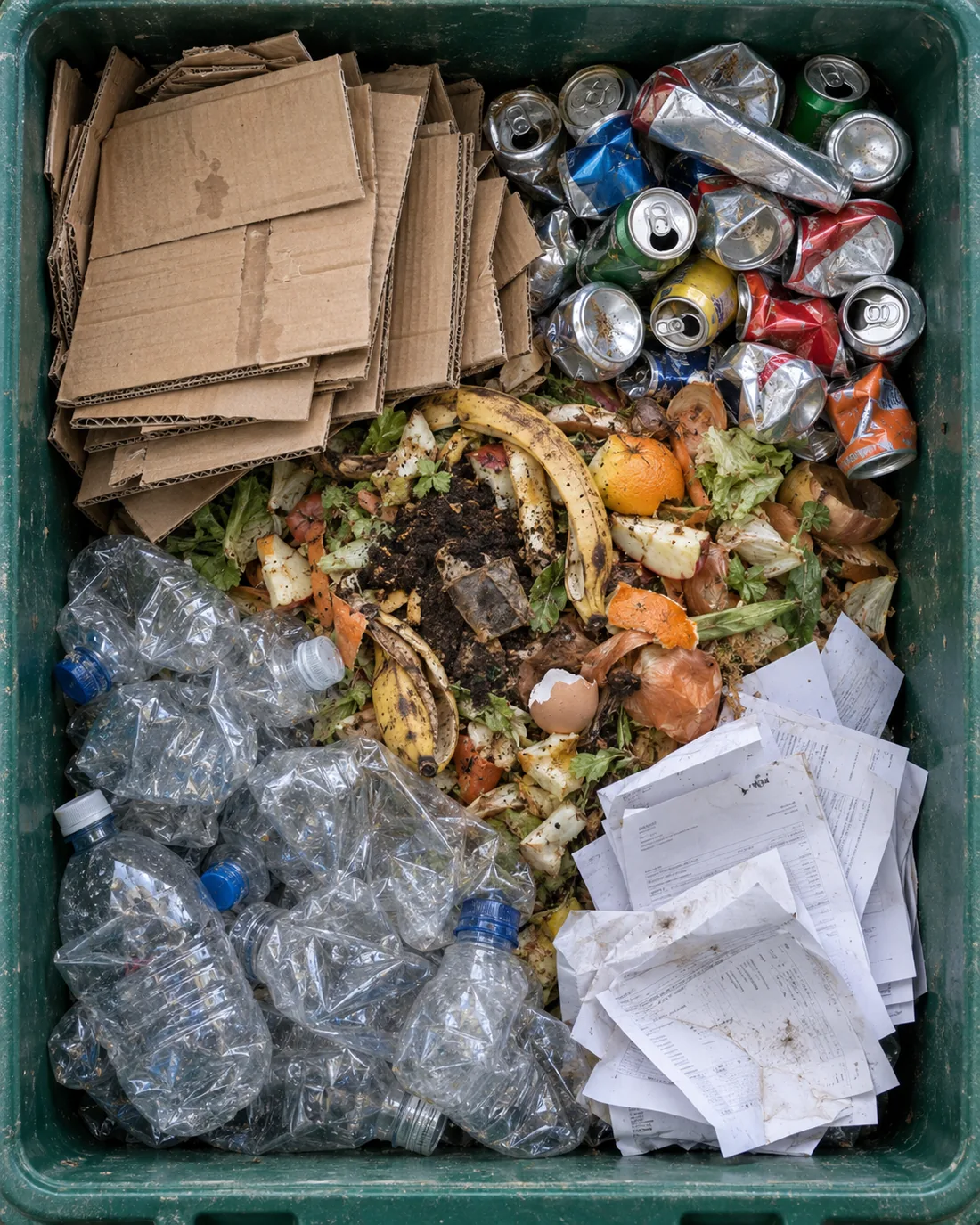
Common Waste Streams in Automotive Dealerships
- used oil
- oil filters
- tyres
- batteries
- parts packaging
- cardboard
- general waste
- paint waste
- solvents
Compliance Requirements
- EPA Victoria prescribed industrial waste (PIW) obligations for used oil, solvents, and paint
- Tyre disposal compliance under Environment Protection Regulations 2021
- Battery storage and transport under Australian Dangerous Goods Code
- Trade waste agreements for wash bay runoff
- WorkSafe Victoria hazardous substance storage
Unique Waste Challenges
Automotive dealerships generate a complex mix of prescribed industrial waste (used oil, solvents, paint) alongside standard commercial waste. Workshop and service areas produce hazardous waste streams requiring licensed transporters. Tyre disposal costs are significant, and illegal dumping penalties are severe. Wash bay water must meet trade waste standards. Many dealerships overpay because they lack visibility on market rates for specialist waste streams.
Recommended Waste Services
Waste Management Costs for Automotive Dealerships
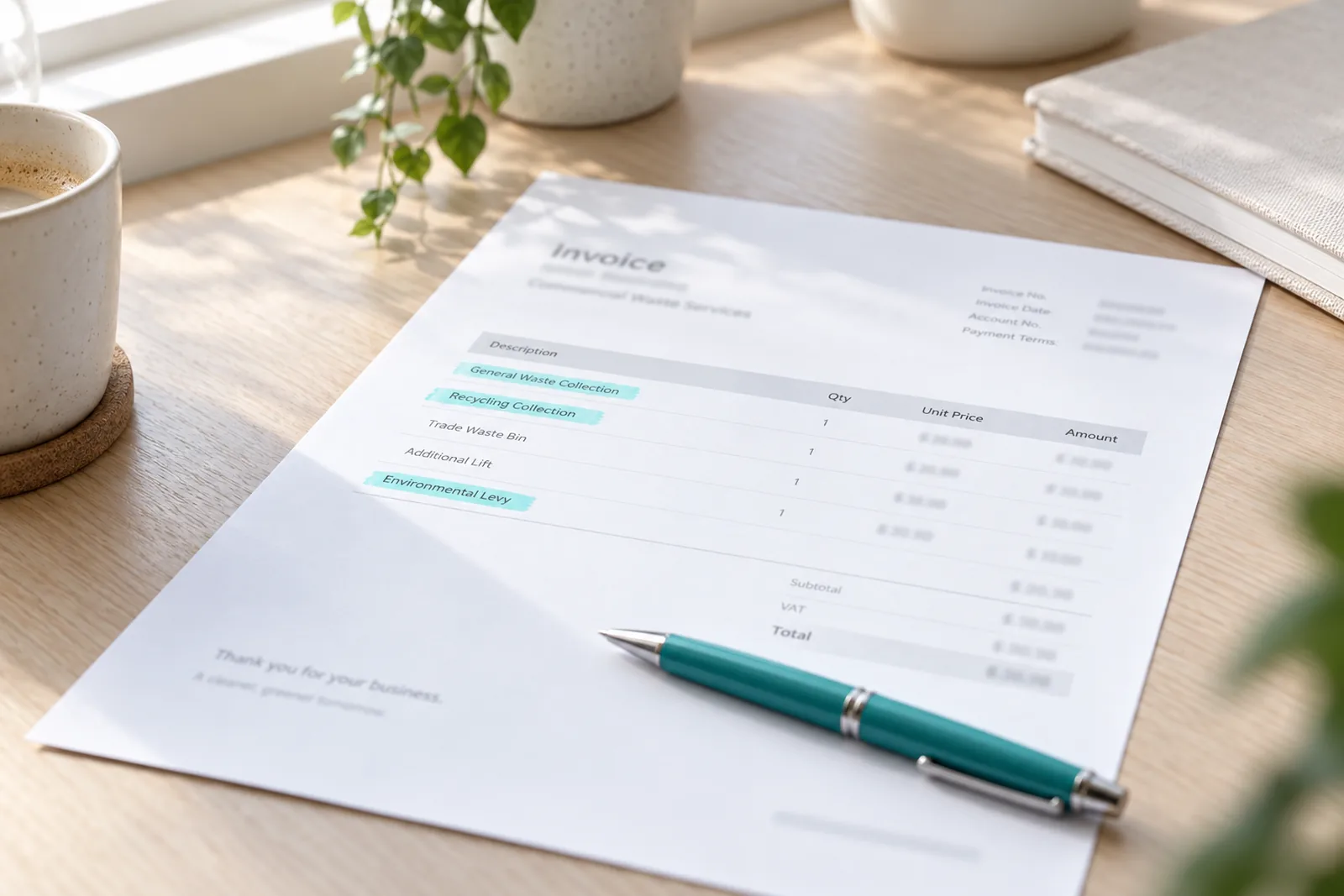
Typical monthly waste management spend for automotive dealerships businesses is $800-3,500. This covers all waste streams including general waste, recycling, and any specialist disposal. Bundle Waste typically negotiates up to 30% savings for automotive dealerships clients.
Automotive Dealerships Waste Management by Location
Frequently Asked Questions
How much does waste management cost for a car dealership in Melbourne?+
Waste management for a Melbourne car dealership typically costs $800-3,500 per month depending on whether the site includes a service workshop. Showroom-only sites pay $300-600/month for general waste and recycling. Full-service dealerships pay more: general waste ($200-500/month), cardboard/recycling ($100-250/month), used oil collection ($100-300/month or credit), tyre disposal ($5-12 per tyre), hazardous waste removal ($200-600/quarter), and wash bay trade waste ($50-150/month).
How should dealerships dispose of used oil in Victoria?+
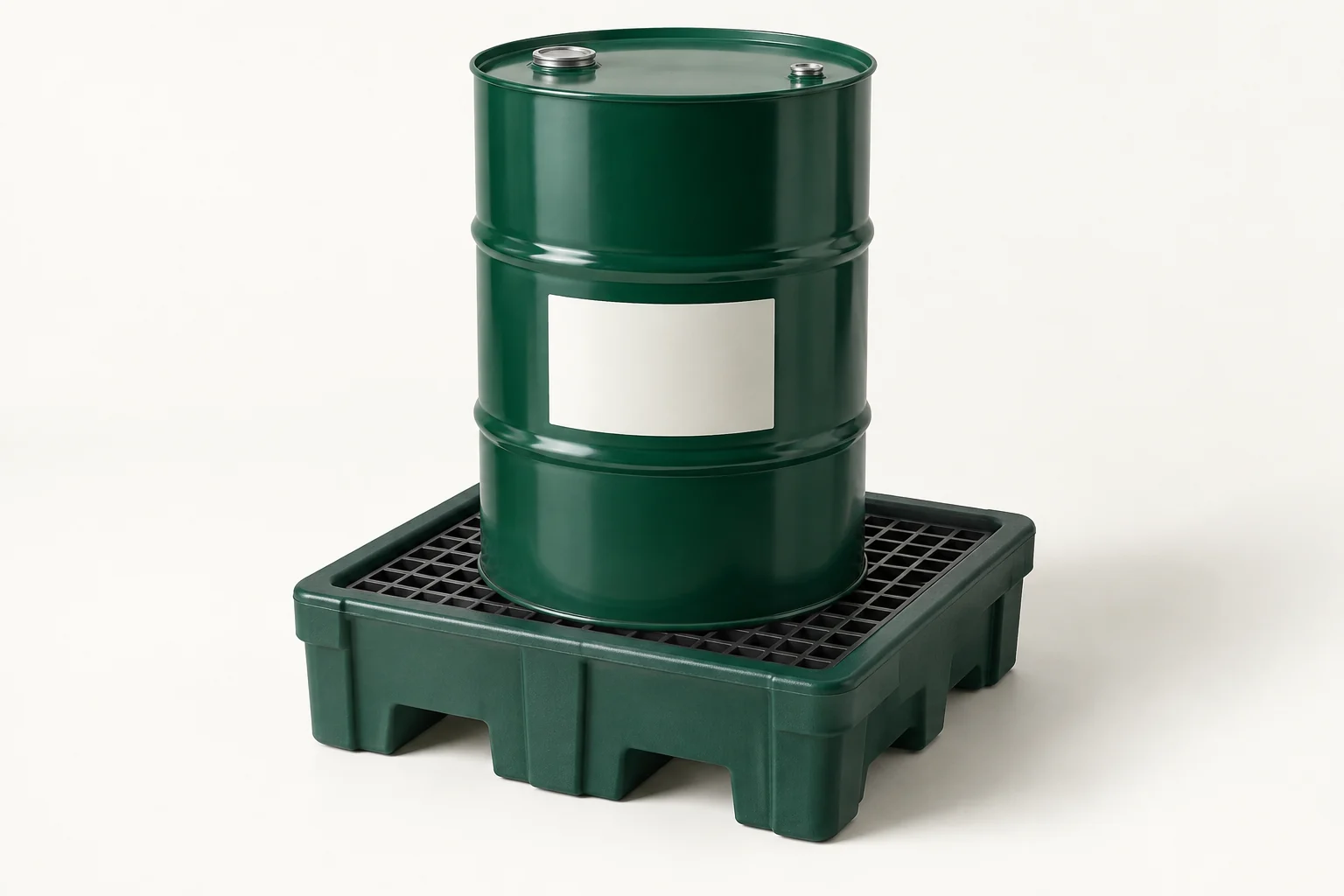
Used oil is classified as prescribed industrial waste (PIW) in Victoria and must be collected by an EPA-licensed transporter. Dealerships must store used oil in sealed, bunded containers away from drains. Transport certificates must be kept for three years. The good news: used oil has recyclable value, so many collectors offer free pickup or even pay a small rebate for large volumes (500+ litres). Never mix used oil with other waste streams — contaminated oil loses its rebate value and incurs hazardous waste disposal fees.
What are the tyre disposal rules for dealerships in Victoria?+
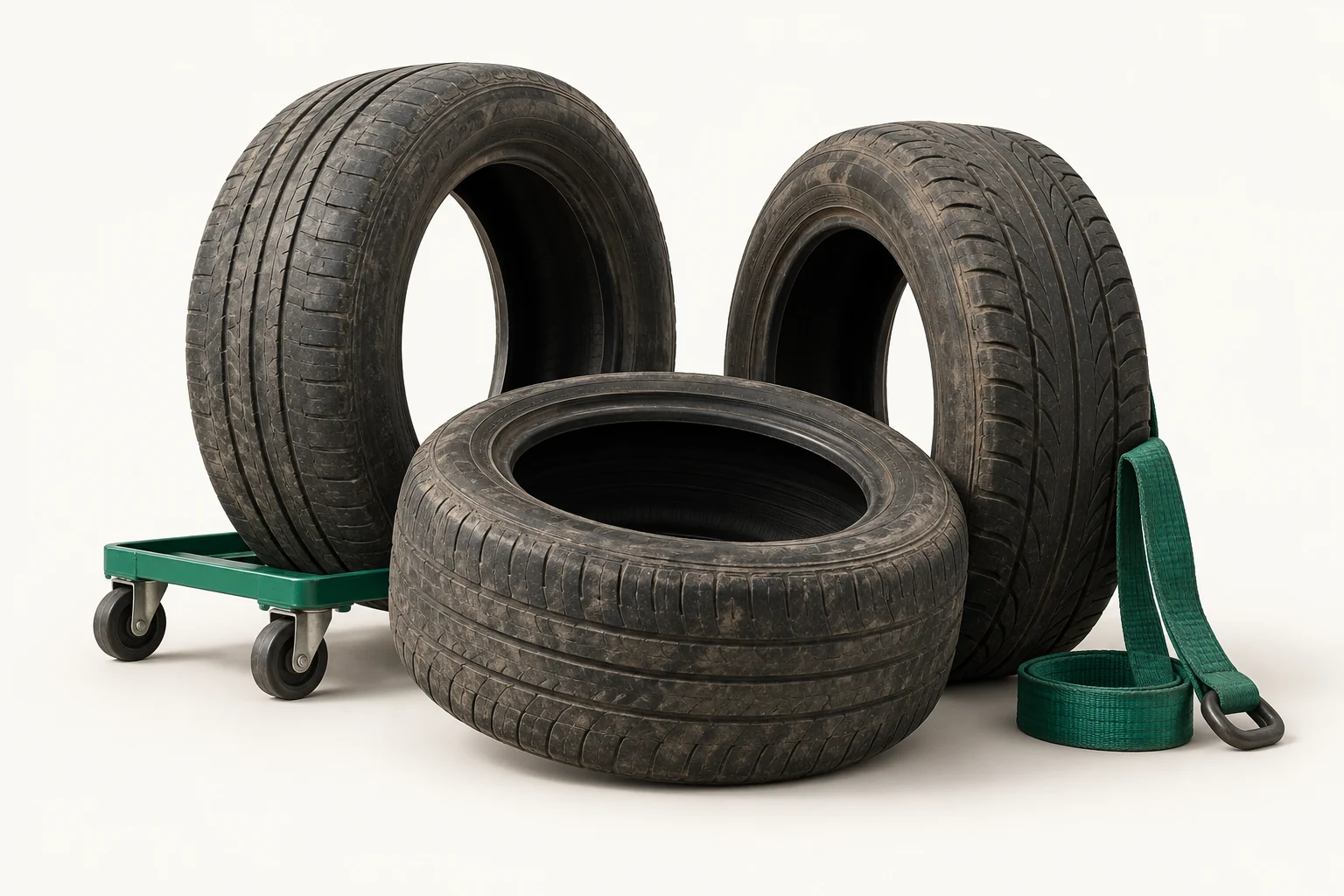
Under Victoria's Environment Protection Regulations 2021, dealerships must not stockpile more than 5,000 tyres and must use licensed tyre recyclers. Disposal costs $5-12 per passenger tyre and $15-40 for truck tyres. The Tyre Stewardship Australia scheme provides accredited recyclers. Illegal dumping fines start at $9,000. Dealerships with high tyre volumes should negotiate volume rates with recyclers — a waste broker can often secure rates up to 30% below standard pricing through consolidated contracts.
Do car dealerships need a trade waste agreement in Melbourne?+
Yes, if the dealership has a vehicle wash bay or service workshop that discharges wastewater to sewer. Melbourne Water or the relevant water authority requires a trade waste agreement. Workshop wash water contains oils, detergents, and heavy metals that must be treated (typically via an oil-water separator) before discharge. Agreements cost $200-800/year plus volumetric charges. Non-compliance can result in fines up to $30,000. Regular maintenance of oil-water separators is essential.
What waste bins does an automotive dealership need?+
A typical Melbourne dealership with a service workshop needs: general waste 660L-1100L bins (showroom + workshop), cardboard/recycling 660L-1100L bins (high volume from parts packaging), used oil drums or tanks (bunded storage), oil filter collection drums, battery storage containers (acid-resistant), parts washer solvent drums, and possibly a skip bin for bulk metal scrap. The showroom area typically needs 240L general and recycling bins. Workshop bin placement should keep hazardous streams well-separated from general waste.
What are hazardous waste disposal costs in Melbourne?+
Hazardous waste disposal in Melbourne ranges from $2–15/kg depending on waste type. Chemical waste costs $3–8/kg, asbestos removal $50–80/m², and liquid chemical disposal $300–800 per 200L drum. All hazardous waste must be handled by EPA-licensed transporters under the Environment Protection Act 2017.
How much does clinical waste disposal cost in Melbourne?+
Clinical waste disposal in Melbourne costs $0.80–2.50/litre depending on waste category. Sharps containers (5L) cost $8–15 each, cytotoxic waste $4–8/kg, and anatomical waste $5–12/kg. Healthcare facilities typically spend $300–1,200/month. All clinical waste must comply with EPA Victoria Publication 1669.
How much does grease trap servicing cost in Melbourne?+
Grease trap servicing in Melbourne costs $150–400 per service depending on trap size. A standard 1,000L trap costs $150–250, a 2,000L trap $250–400. Most food businesses need monthly or quarterly servicing. Failure to maintain grease traps can breach your trade-waste agreement, leading to penalties or suspension of your discharge consent by your water authority (such as South East Water or Yarra Valley Water).
What are the waste needs of a car wash?+
Car washes generate: trade waste (water + detergents + oils), separator waste, chemical containers, and general waste. Trade waste agreements mandatory. Water recycling reduces volumes up to 80%. Monthly cost: $300–800.
What waste do mechanic and auto repair shops generate?+
Auto shops generate: used oil (free collection 200L+), oil filters, scrap metal ($50–200/month rebate), tyres ($5–10 each), batteries (free — lead value), chemical waste (PIW). Used oil needs bunded storage with 110% containment. Monthly cost: $200–600.
Updated 3 September 2026
 Bundle Waste