$300-1,500
Typical Monthly Spend
up to 30%
Typical Savings
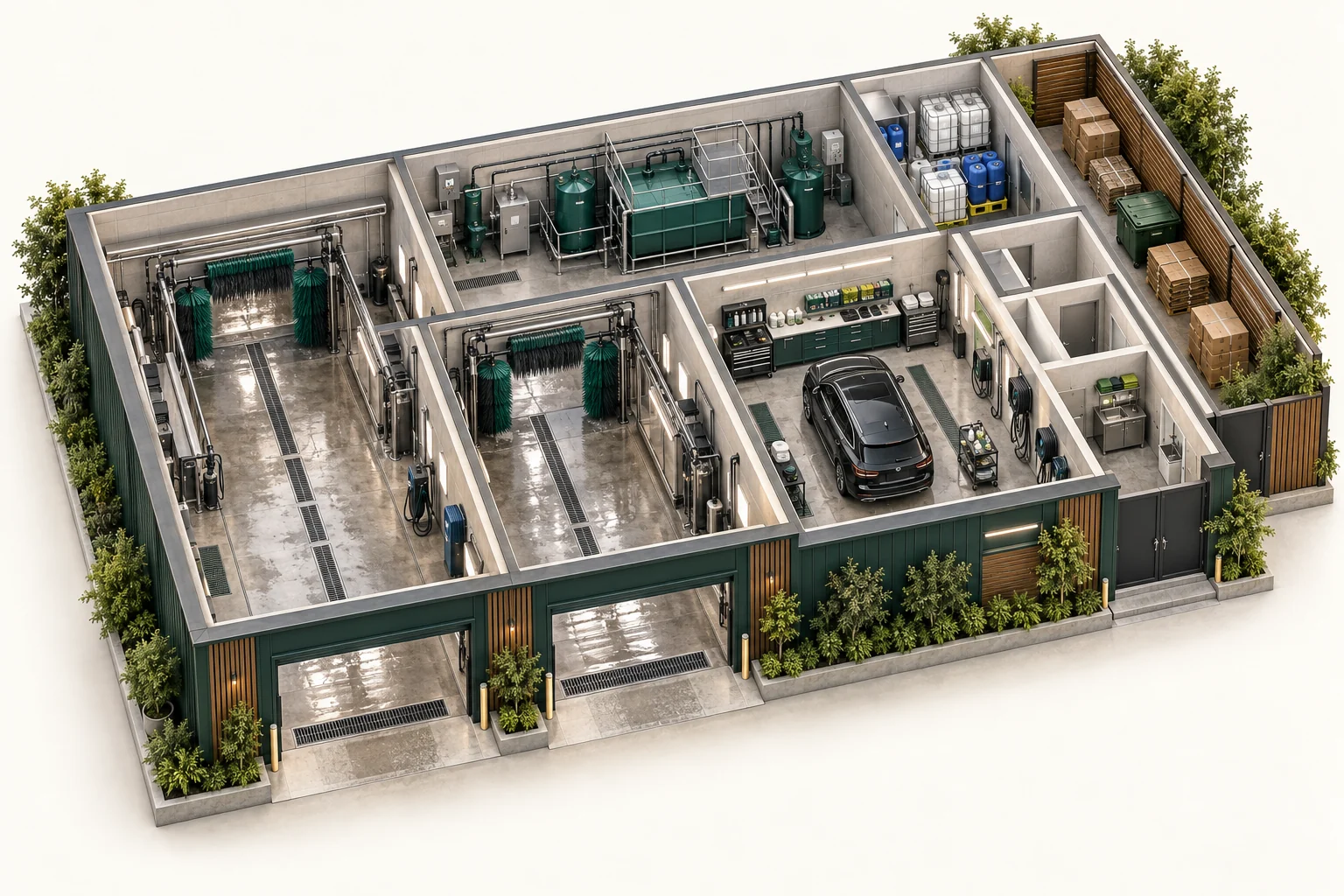
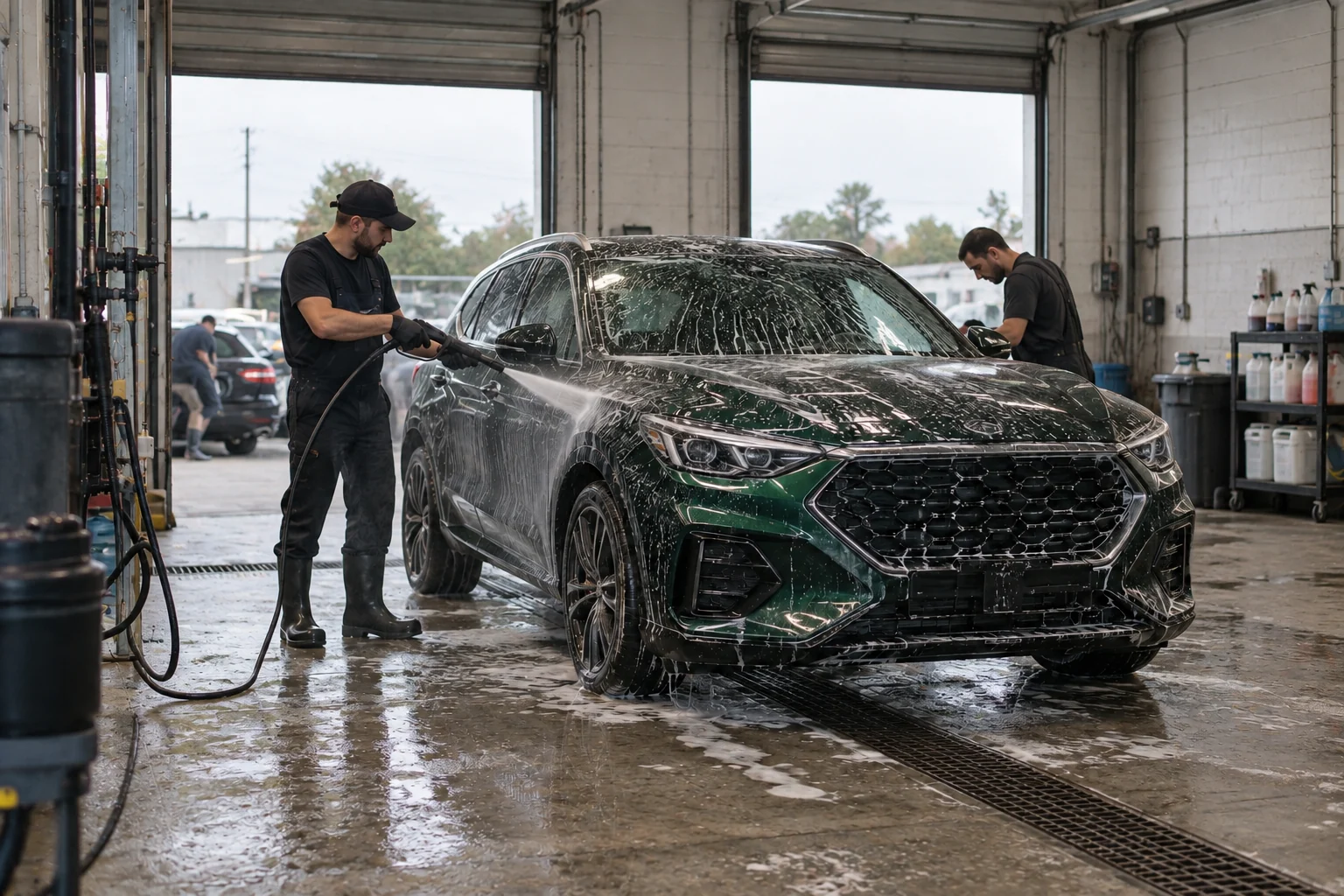
Managing waste in the car washes & auto detailing sector requires understanding specific waste streams, compliance requirements, and cost-effective disposal options. Car washes produce large volumes of contaminated wastewater containing oils, detergents, heavy metals, and microplastics. Trade waste compliance is the primary concern — discharge to sewer without proper treatment can result in heavy fines. Oil-water separators require regular maintenance and sludge disposal. Water recycling systems reduce costs but need management. Seasonal demand peaks (spring cleaning, pre-sale detailing) affect waste volumes. Auto detailing generates chemical waste from compounds, polishes, and solvents. Bundle Waste specialises in helping car washes & auto detailing businesses across Melbourne find the best waste management rates.
Common Waste Streams in Car Washes & Auto Detailing
- wastewater
- chemical waste
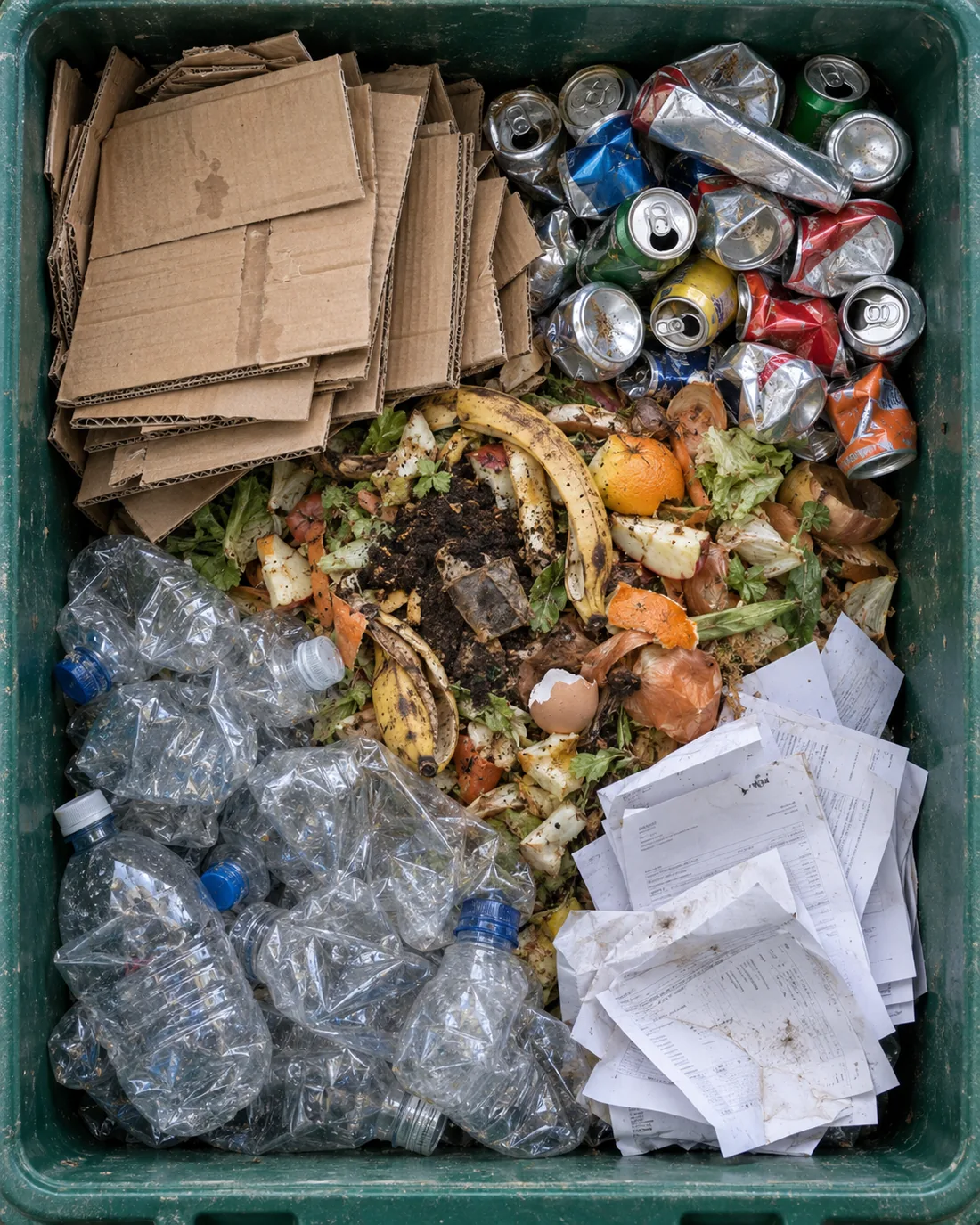
- general waste
- recycling
- sludge
- microplastics
- wax and polish waste
Compliance Requirements
- Trade waste agreement with water authority (mandatory for commercial car washes)
- EPA Victoria wastewater discharge regulations
- Oil-water separator maintenance requirements
- Sludge disposal as prescribed industrial waste
- WorkSafe Victoria chemical storage and handling
Unique Waste Challenges
Car washes produce large volumes of contaminated wastewater containing oils, detergents, heavy metals, and microplastics. Trade waste compliance is the primary concern — discharge to sewer without proper treatment can result in heavy fines. Oil-water separators require regular maintenance and sludge disposal. Water recycling systems reduce costs but need management. Seasonal demand peaks (spring cleaning, pre-sale detailing) affect waste volumes. Auto detailing generates chemical waste from compounds, polishes, and solvents.
Recommended Waste Services
Waste Management Costs for Car Washes & Auto Detailing
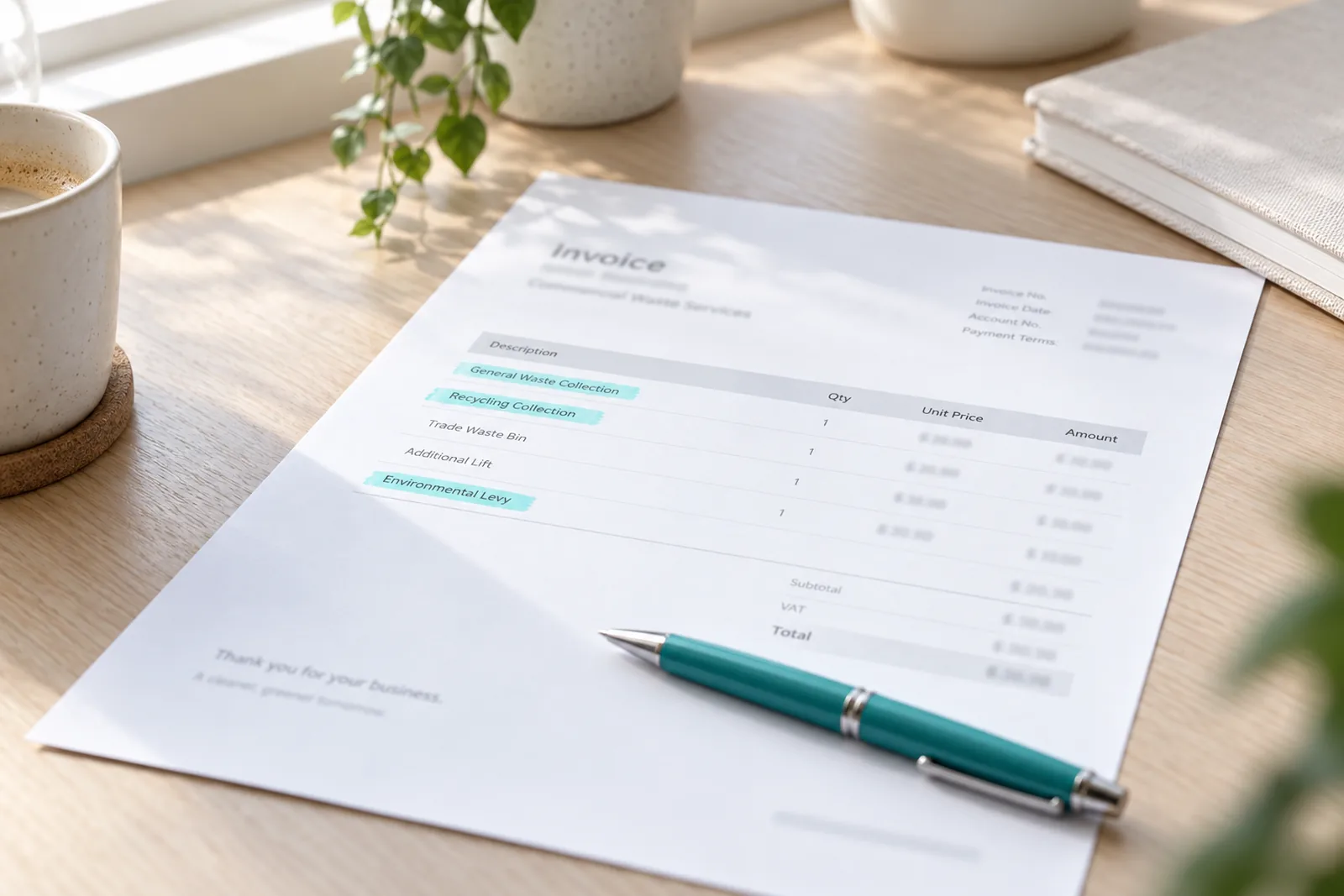
Typical monthly waste management spend for car washes & auto detailing businesses is $300-1,500. This covers all waste streams including general waste, recycling, and any specialist disposal. Bundle Waste typically negotiates up to 30% savings for car washes & auto detailing clients.
Car Washes & Auto Detailing Waste Management by Location
Frequently Asked Questions
How much does car wash waste management cost in Melbourne?+
Car wash waste management in Melbourne typically costs $300-1,500 per month depending on type and throughput. A small hand-wash operation pays $300-500/month, a mid-size automatic car wash $500-900/month, and a large tunnel wash or multi-bay facility $900-1,500/month. Trade waste fees account for $200-600/month, sludge disposal $100-300/quarter, chemical waste $50-150/quarter, and general waste/recycling $100-300/month. Water recycling systems can reduce trade waste costs by up to 60%.
What trade waste requirements apply to car washes in Melbourne?+
All commercial car washes discharging to sewer need a trade waste agreement with their water authority. Requirements include: an oil-water separator (triple interceptor is standard), pre-treatment to meet discharge limits (oil/grease under 100mg/L, pH 6-10, suspended solids under 600mg/L), regular monitoring and maintenance records, and annual trade waste fees ($500-2,000/year plus volumetric charges). Non-compliance fines start at $5,000 and can exceed $30,000 for repeat offences. Hand-wash operations on unpaved surfaces without drainage also need EPA assessment.
How often do oil-water separators need servicing at car washes?+
Oil-water separators at car washes should be inspected monthly and pumped out every 1-3 months depending on throughput. A busy car wash processing 100+ vehicles daily needs monthly pump-outs. Pump-out costs $200-500 per service. The sludge removed is classified as prescribed industrial waste (PIW) requiring licensed transport and disposal — transport certificates must be retained for 3 years. Neglecting separator maintenance causes wastewater non-compliance, sewer blockages, and potential fines exceeding $30,000.
Can car washes recycle water to reduce costs?+
Yes, water recycling systems are increasingly common and cost-effective. A basic recycling system ($10,000-25,000 installed) reclaims 60-80% of wash water, reducing both water consumption and trade waste fees. Advanced systems with membrane filtration ($30,000-60,000) achieve 90%+ recycling. Payback periods: 2-4 years depending on throughput and current water costs. Recycled water is typically used for pre-rinse and wheel wash stages, with fresh water for final rinse only. Council rebates may be available for water-saving equipment.
How should car washes handle chemical waste?+
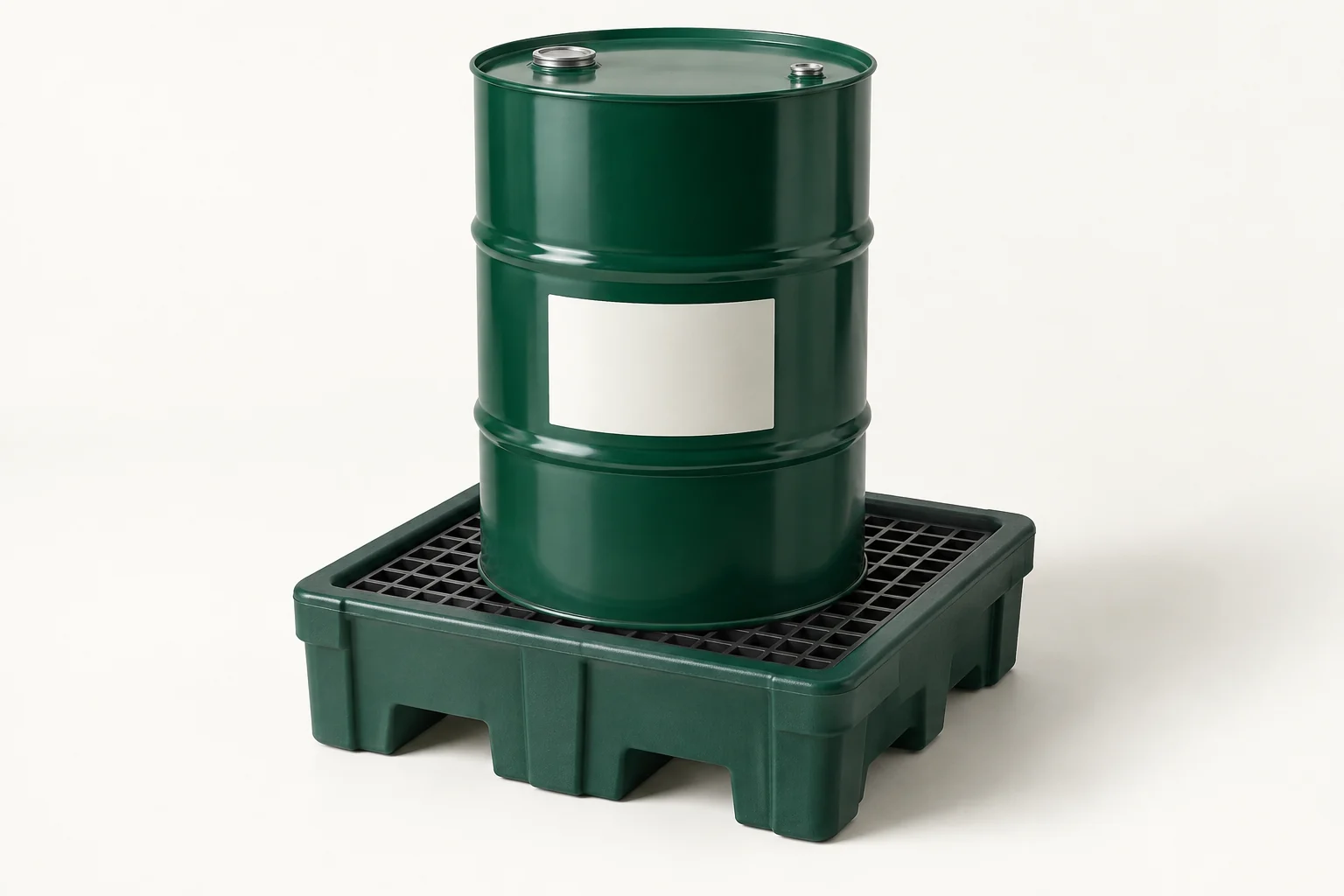
Car wash chemicals (detergents, degreasers, tyre shine, wheel acid) must be stored in bunded areas away from drains. Empty containers should be triple-rinsed and recycled. Concentrated chemical waste and expired products are prescribed industrial waste requiring licensed disposal ($200-400 per collection, typically quarterly). Auto detailing compounds, polishes, and solvents also need separate hazardous waste disposal. Never pour chemicals down drains — even 'biodegradable' products can exceed trade waste limits in concentrated form.
What are hazardous waste disposal costs in Melbourne?+
Hazardous waste disposal in Melbourne ranges from $2–15/kg depending on waste type. Chemical waste costs $3–8/kg, asbestos removal $50–80/m², and liquid chemical disposal $300–800 per 200L drum. All hazardous waste must be handled by EPA-licensed transporters under the Environment Protection Act 2017.
How much does clinical waste disposal cost in Melbourne?+
Clinical waste disposal in Melbourne costs $0.80–2.50/litre depending on waste category. Sharps containers (5L) cost $8–15 each, cytotoxic waste $4–8/kg, and anatomical waste $5–12/kg. Healthcare facilities typically spend $300–1,200/month. All clinical waste must comply with EPA Victoria Publication 1669.
How much does grease trap servicing cost in Melbourne?+
Grease trap servicing in Melbourne costs $150–400 per service depending on trap size. A standard 1,000L trap costs $150–250, a 2,000L trap $250–400. Most food businesses need monthly or quarterly servicing. Failure to maintain grease traps can breach your trade-waste agreement, leading to penalties or suspension of your discharge consent by your water authority (such as South East Water or Yarra Valley Water).
What is the difference between clinical and general waste in healthcare?+
Clinical waste causes infection or injury (sharps, cytotoxic, anatomical, infectious). General is non-hazardous (paper, food, packaging). Clinical costs $0.80–2.50/L vs $0.15–0.25/L general. A large share of clinical bins typically contain general waste that could be segregated.
How should a Melbourne hospital manage its waste?+
Hospitals generate 5–10kg/bed/day across: general waste (40–50%), clinical waste (15–25%), recycling (10–15%), food waste (10–15%), pharmaceutical waste (5%), and confidential waste (5%). A 300-bed hospital spends $10,000–50,000/month. Clinical waste separation training is critical — misclassification costs $50,000–200,000/year in unnecessary clinical waste charges.
Updated 3 September 2026
 Bundle Waste