$200-800
Typical Monthly Spend
up to 30%
Typical Savings
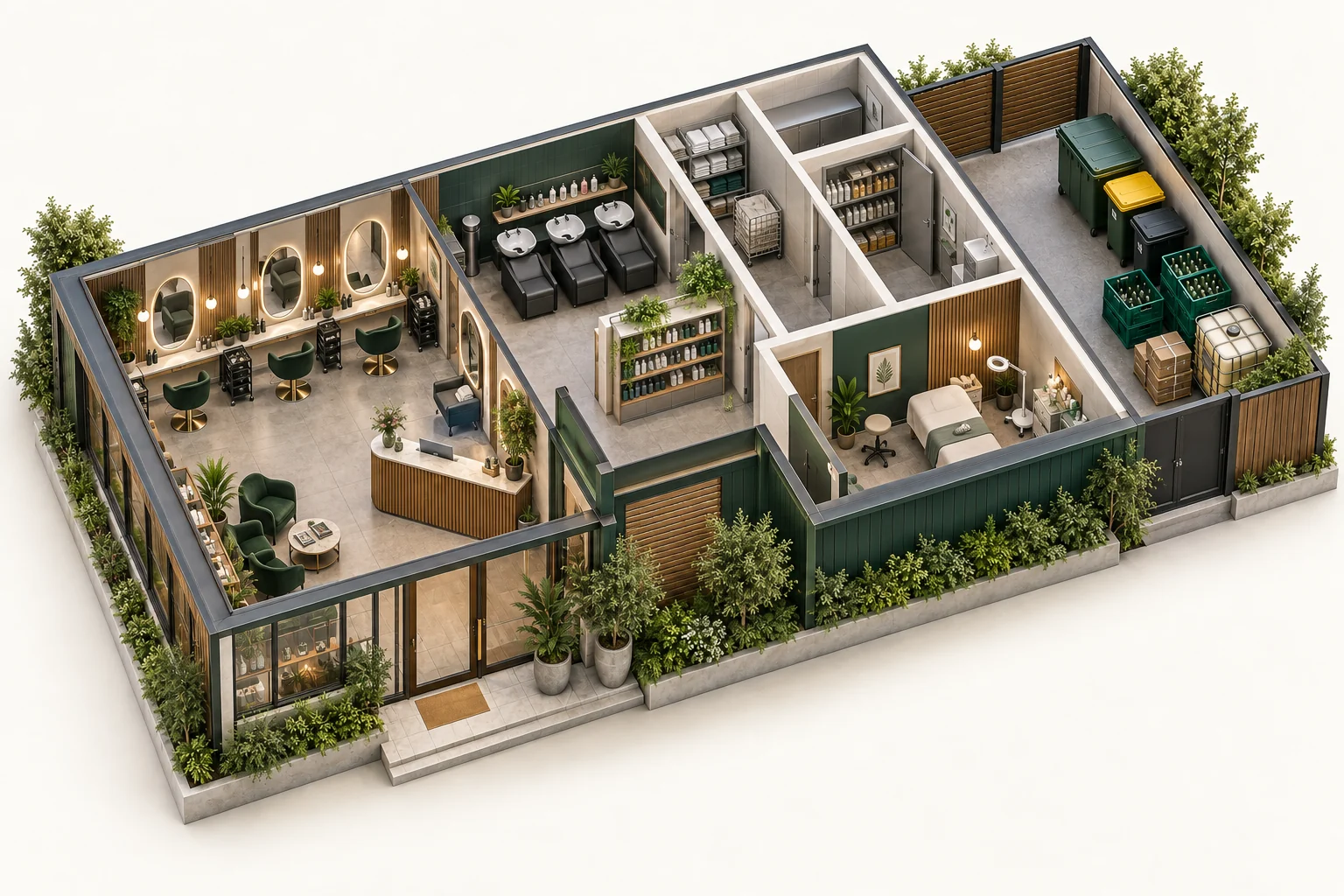
Managing waste in the hair salons & beauty sector requires understanding specific waste streams, compliance requirements, and cost-effective disposal options. Hair salons generate unique waste streams including chemical waste (hair colour, peroxide, perm solutions), aluminium foil from colouring, and large volumes of hair clippings. Many salon chemicals cannot be poured down drains. Beauty salons add wax strips, product containers, and cotton consumables. Small premises have limited waste storage. High product packaging volumes relative to business size. Growing consumer demand for sustainable salons creates both pressure and opportunity. Bundle Waste specialises in helping hair salons & beauty businesses across Melbourne find the best waste management rates.
Common Waste Streams in Hair Salons & Beauty
- hair clippings
- chemical waste
- foil
- general waste
- recycling
- product packaging
- towels
- waxing strips
Compliance Requirements
- EPA Victoria regulations for chemical waste disposal
- WorkSafe Victoria hazardous substance storage
- Trade waste agreement for salon basins discharging to sewer
- Local council commercial waste requirements
- OH&S requirements for sharps disposal (razors)
Unique Waste Challenges
Hair salons generate unique waste streams including chemical waste (hair colour, peroxide, perm solutions), aluminium foil from colouring, and large volumes of hair clippings. Many salon chemicals cannot be poured down drains. Beauty salons add wax strips, product containers, and cotton consumables. Small premises have limited waste storage. High product packaging volumes relative to business size. Growing consumer demand for sustainable salons creates both pressure and opportunity.
Recommended Waste Services
Waste Management Costs for Hair Salons & Beauty
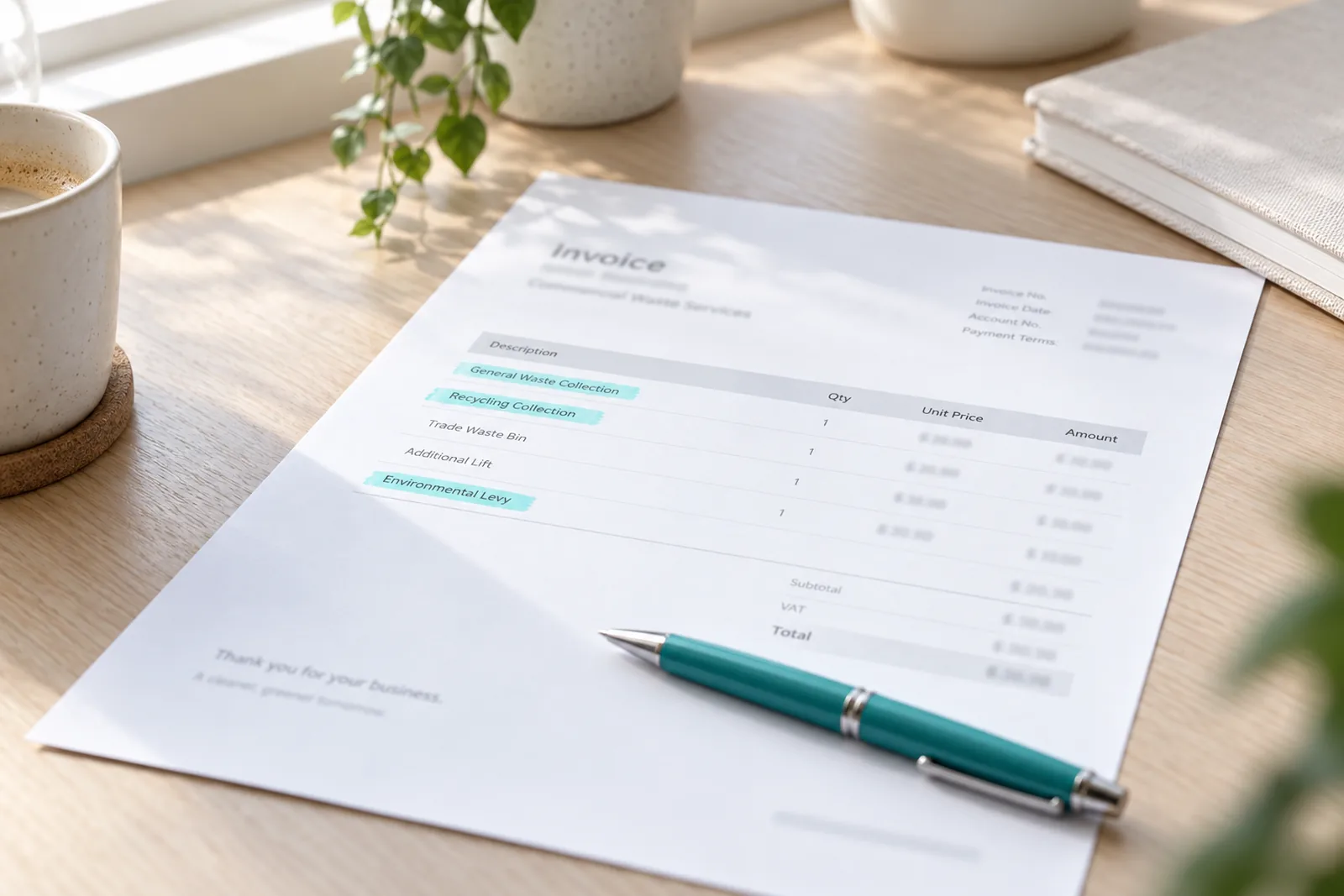
Typical monthly waste management spend for hair salons & beauty businesses is $200-800. This covers all waste streams including general waste, recycling, and any specialist disposal. Bundle Waste typically negotiates up to 30% savings for hair salons & beauty clients.
Hair Salons & Beauty Waste Management by Location
Frequently Asked Questions
How much does hair salon waste management cost in Melbourne?+
Hair salon waste management in Melbourne typically costs $200-800 per month depending on size and services offered. A small 2-3 chair salon pays $200-350/month, a mid-size salon (5-8 chairs) pays $350-550/month, and a large salon or salon-spa combination pays $550-800/month. General waste accounts for $100-300/month, recycling $50-100/month, chemical waste disposal $50-150/quarter, and sanitary services $30-80/month. Foil recycling can generate small credits ($0.50-1.00/kg for clean aluminium).
How should salons dispose of hair colour and chemical waste?+
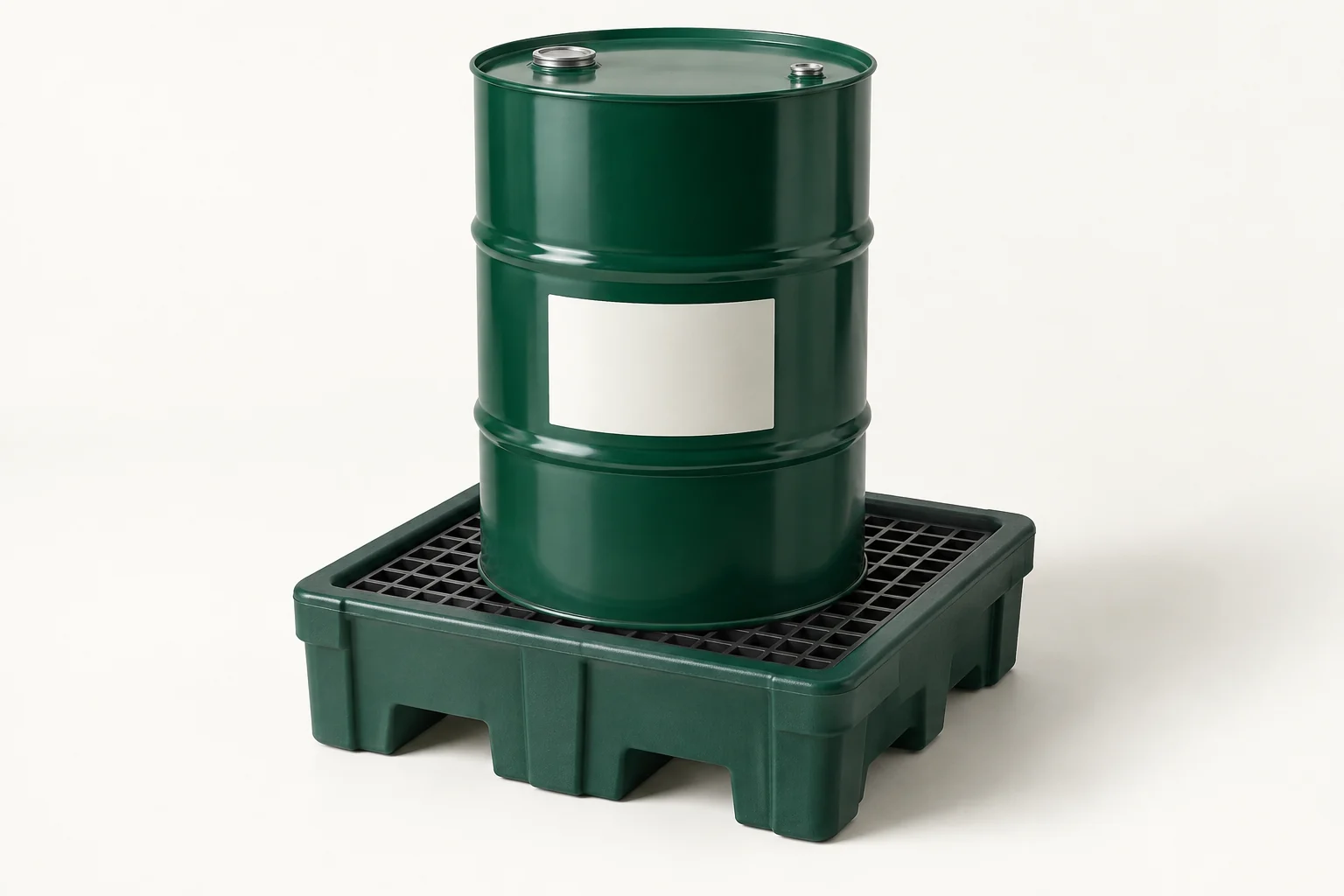
Hair colour, peroxide, perm solutions, and other salon chemicals should never be poured down drains — they can contain ammonia, hydrogen peroxide, and other substances exceeding trade waste limits. Dispose of excess mixed colour in general waste (in sealed containers), rinse empty product containers for recycling, and accumulate chemical waste for periodic hazardous waste collection ($100-200 per pickup, quarterly for most salons). Some suppliers offer take-back programs for empty containers.
Can hair clippings be recycled?+
Yes! Hair clippings are increasingly recyclable: Sustainable Salons Australia collects hair for use in hair booms (oil spill cleanup in waterways), composting, and felting insulation. Membership costs $2-5/week and covers collection of hair, foils, metals, chemicals, paper, and other salon waste streams — making it a comprehensive salon recycling program. Hair can also be composted directly (rich in nitrogen) or donated to charities making wigs. Never put hair in recycling bins — it tangles in sorting machinery.
Do hair salons need a trade waste agreement?+
Salons with wash basins discharging to sewer may need a trade waste agreement, particularly if using high volumes of colour and chemical products. Contact your water authority (Melbourne Water, South East Water, Yarra Valley Water, or Western Water) to check. Many small salons with standard domestic-style basins don't require one, but salons with multiple basins and heavy chemical use may. If required, agreements typically cost $200-500/year. Using basin strainers to catch hair prevents drain blockages.
How should salons manage aluminium foil waste?+
Salon foil from hair colouring is recyclable aluminium. Collect used foils in a dedicated container, and ball them into fist-sized or larger lumps (small flat pieces fall through recycling sorting equipment). Clean foil is worth $0.50-1.00/kg at scrap metal recyclers. For a busy salon using 5-10kg of foil monthly, this generates $5-10/month in credits — small but meaningful. Sustainable Salons Australia includes foil collection in their program. Never put foil in general waste — it's 100% recyclable.
What are hazardous waste disposal costs in Melbourne?+
Hazardous waste disposal in Melbourne ranges from $2–15/kg depending on waste type. Chemical waste costs $3–8/kg, asbestos removal $50–80/m², and liquid chemical disposal $300–800 per 200L drum. All hazardous waste must be handled by EPA-licensed transporters under the Environment Protection Act 2017.
How much does clinical waste disposal cost in Melbourne?+
Clinical waste disposal in Melbourne costs $0.80–2.50/litre depending on waste category. Sharps containers (5L) cost $8–15 each, cytotoxic waste $4–8/kg, and anatomical waste $5–12/kg. Healthcare facilities typically spend $300–1,200/month. All clinical waste must comply with EPA Victoria Publication 1669.
How much does grease trap servicing cost in Melbourne?+
Grease trap servicing in Melbourne costs $150–400 per service depending on trap size. A standard 1,000L trap costs $150–250, a 2,000L trap $250–400. Most food businesses need monthly or quarterly servicing. Failure to maintain grease traps can breach your trade-waste agreement, leading to penalties or suspension of your discharge consent by your water authority (such as South East Water or Yarra Valley Water).
What is the difference between clinical and general waste in healthcare?+
Clinical waste causes infection or injury (sharps, cytotoxic, anatomical, infectious). General is non-hazardous (paper, food, packaging). Clinical costs $0.80–2.50/L vs $0.15–0.25/L general. A large share of clinical bins typically contain general waste that could be segregated.
How should a Melbourne hospital manage its waste?+
Hospitals generate 5–10kg/bed/day across: general waste (40–50%), clinical waste (15–25%), recycling (10–15%), food waste (10–15%), pharmaceutical waste (5%), and confidential waste (5%). A 300-bed hospital spends $10,000–50,000/month. Clinical waste separation training is critical — misclassification costs $50,000–200,000/year in unnecessary clinical waste charges.
Updated 3 September 2026
 Bundle Waste