Bundle Waste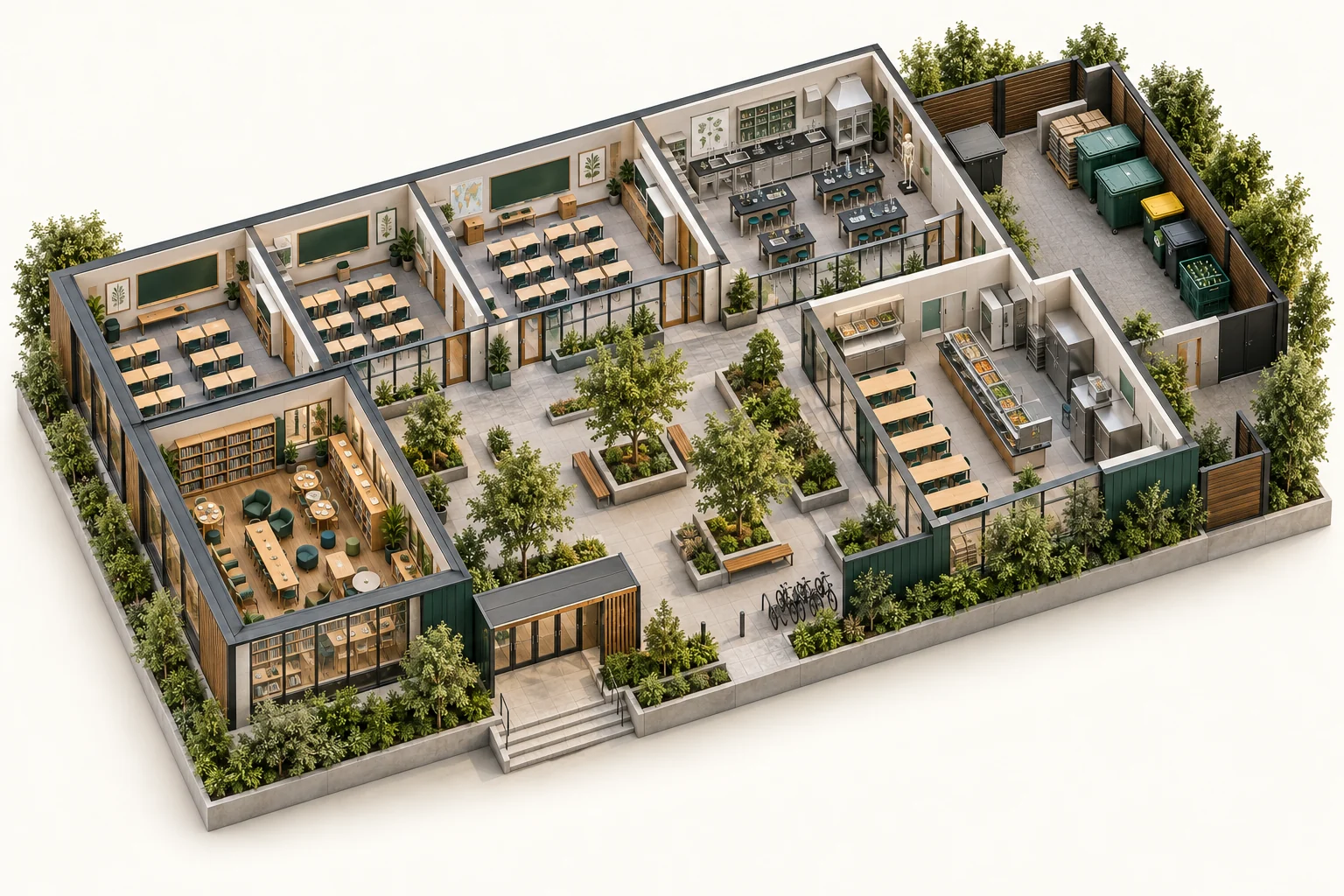

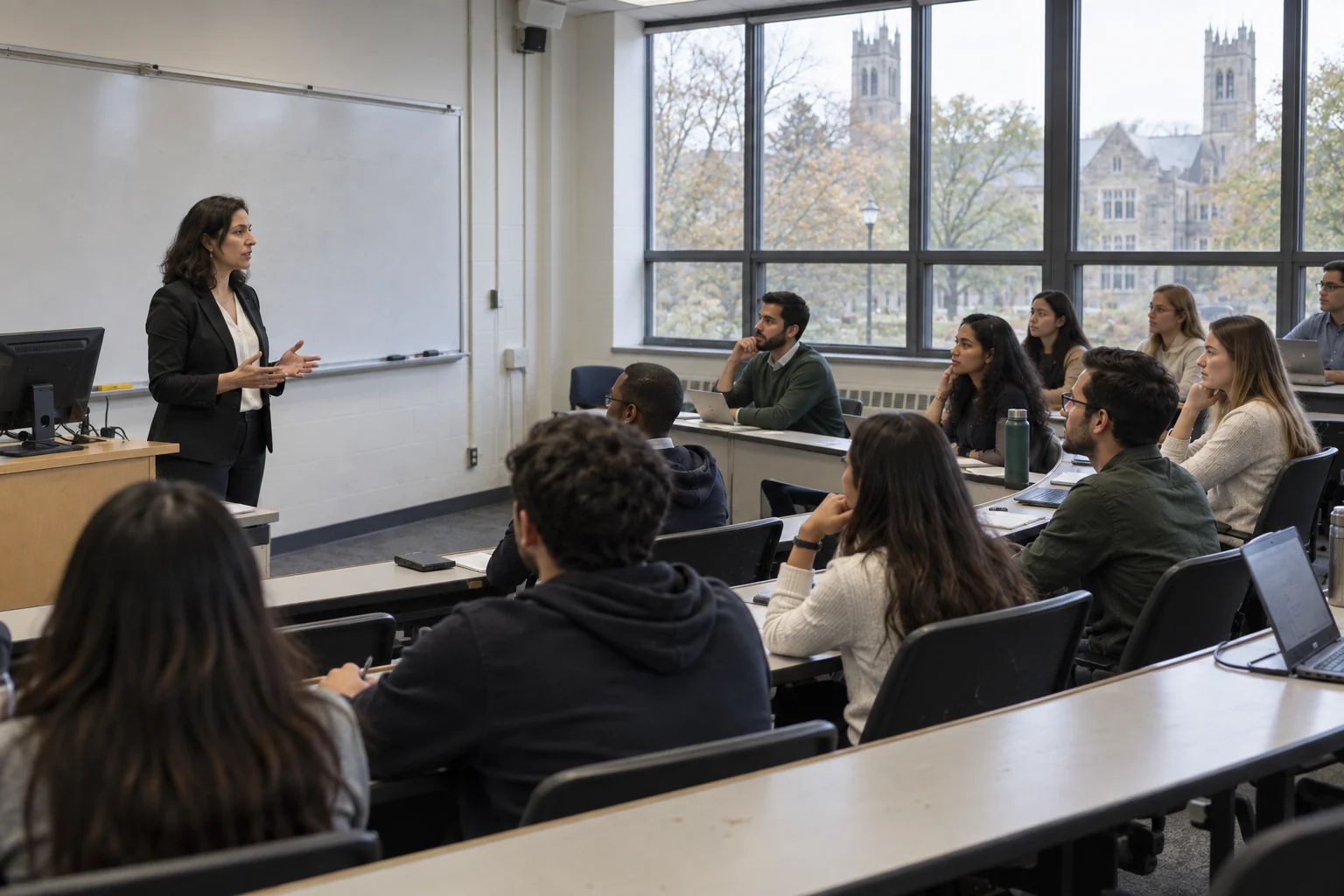
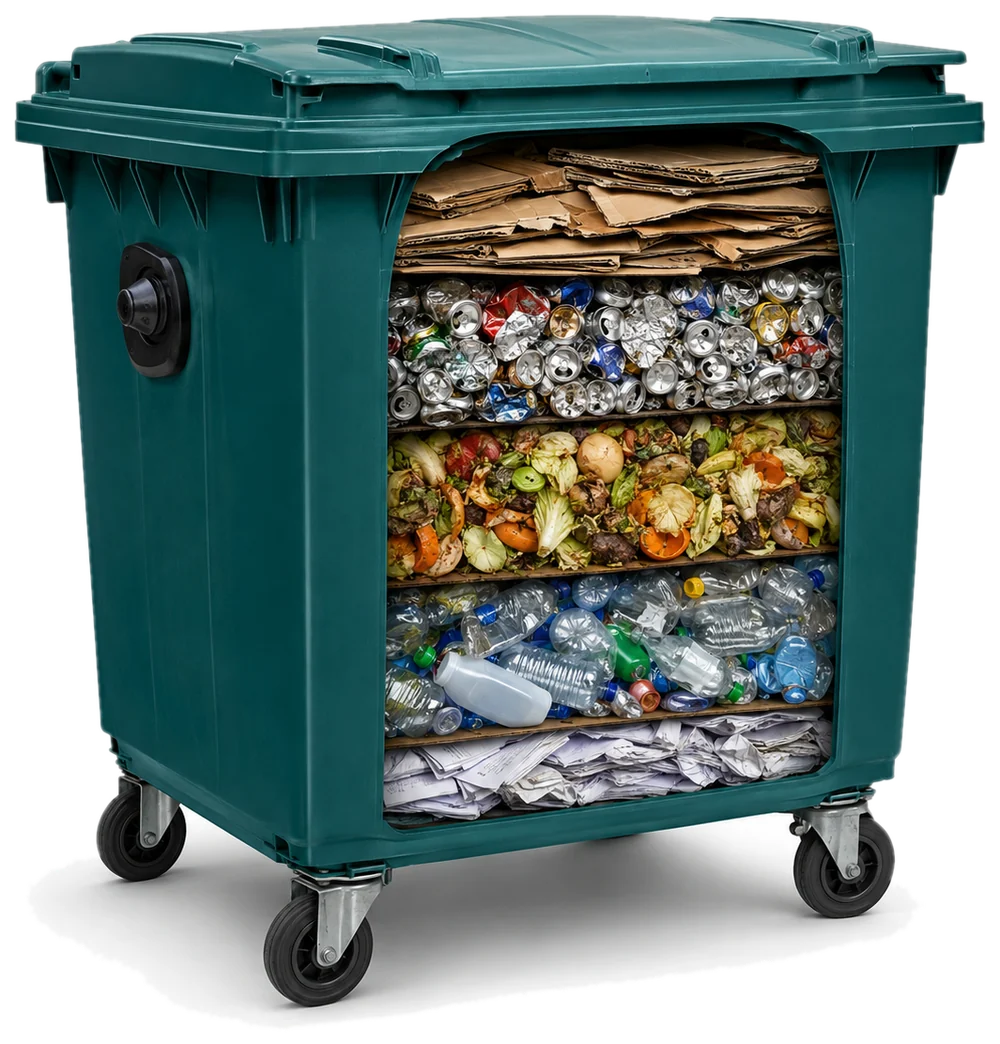
Managing waste in the schools & universities sector requires understanding specific waste streams, compliance requirements, and cost-effective disposal options. Schools and universities generate highly variable waste volumes tied to term times. Campus-wide waste infrastructure needs to serve hundreds or thousands of people with varying compliance. Canteen and cafeteria food waste is significant. University laboratories produce chemical and biological waste requiring specialist disposal. E-waste from IT upgrades accumulates. Sustainability education creates an expectation that the institution practices what it teaches. Holiday periods create service scheduling challenges. Bundle Waste specialises in helping schools & universities businesses across Melbourne find the best waste management rates.
Common Waste Streams in Schools & Universities
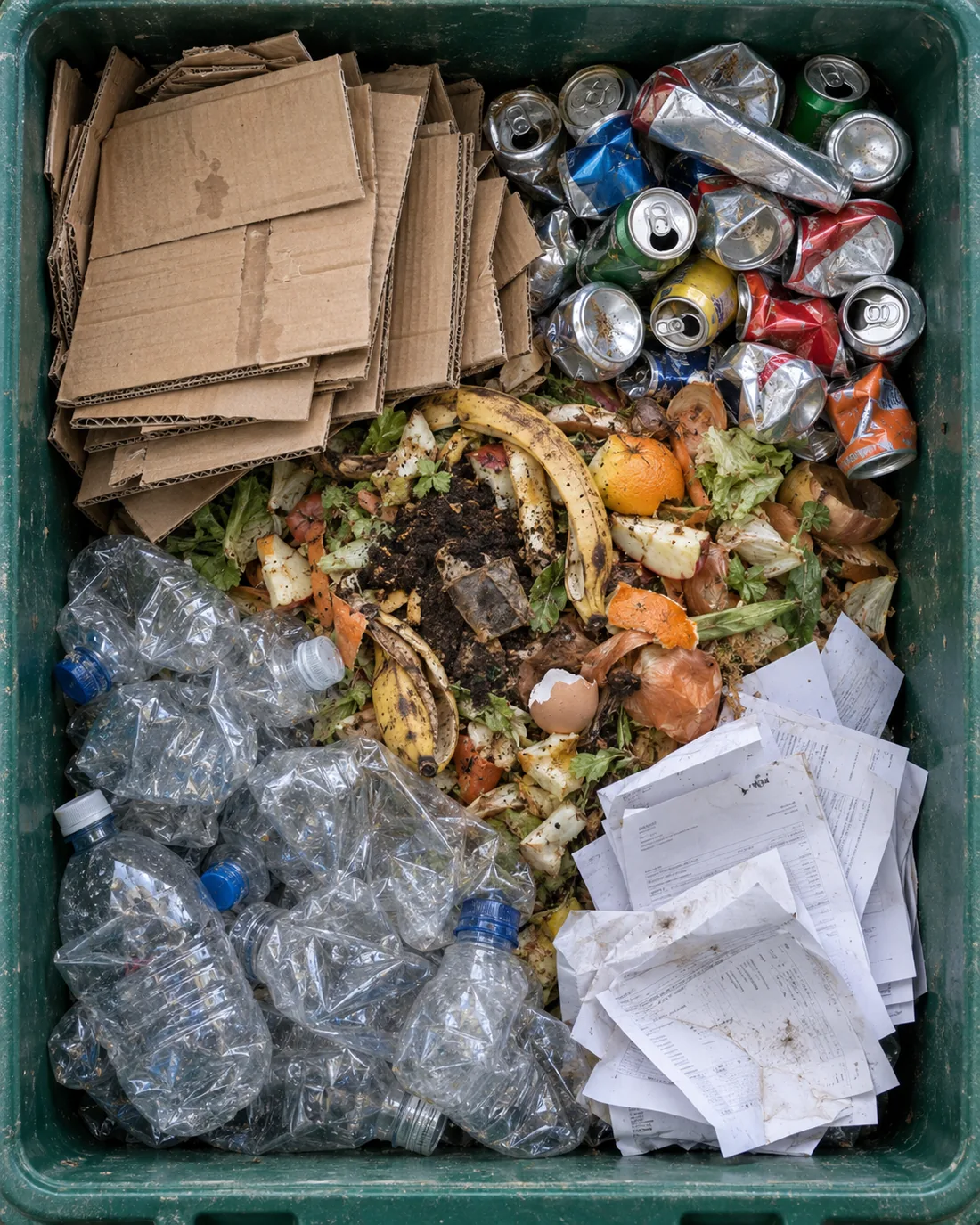
- general waste
- recycling
- food waste
- paper
- laboratory waste
- e-waste
- garden waste
Compliance Requirements
- EPA Victoria commercial waste regulations
- ResourceSmart Schools sustainability framework
- Laboratory waste disposal under EPA prescribed waste regulations
- E-waste ban compliance
- DET (Department of Education) sustainability policy
- Occupational health and safety for waste handling
Unique Waste Challenges
Schools and universities generate highly variable waste volumes tied to term times. Campus-wide waste infrastructure needs to serve hundreds or thousands of people with varying compliance. Canteen and cafeteria food waste is significant. University laboratories produce chemical and biological waste requiring specialist disposal. E-waste from IT upgrades accumulates. Sustainability education creates an expectation that the institution practices what it teaches. Holiday periods create service scheduling challenges.
Recommended Waste Services
- General Waste Management
- Recycling Services
- Food & Organic Waste
- Hazardous Waste Management
- Confidential Document Destruction
Waste Management Costs for Schools & Universities
Typical monthly waste management spend for schools & universities businesses is $500-5,000. This covers all waste streams including general waste, recycling, and any specialist disposal. Bundle Waste typically negotiates up to 30% savings for schools & universities clients.
Schools & Universities Waste Management by Location
Related Resources
Frequently Asked Questions
How much does school waste management cost in Melbourne?
How can schools reduce waste management costs?
What are the laboratory waste disposal requirements for schools?
How should university campuses manage waste across multiple buildings?
What food waste solutions work best for school canteens?
What are hazardous waste disposal costs in Melbourne?
How much does clinical waste disposal cost in Melbourne?
How much does grease trap servicing cost in Melbourne?
What is the difference between clinical and general waste in healthcare?
How should a Melbourne hospital manage its waste?
Free Waste Audit for Schools & Universities
We specialise in Schools & Universities waste management. Get a free audit and find out how much you could save.
Get Your Free Audit →