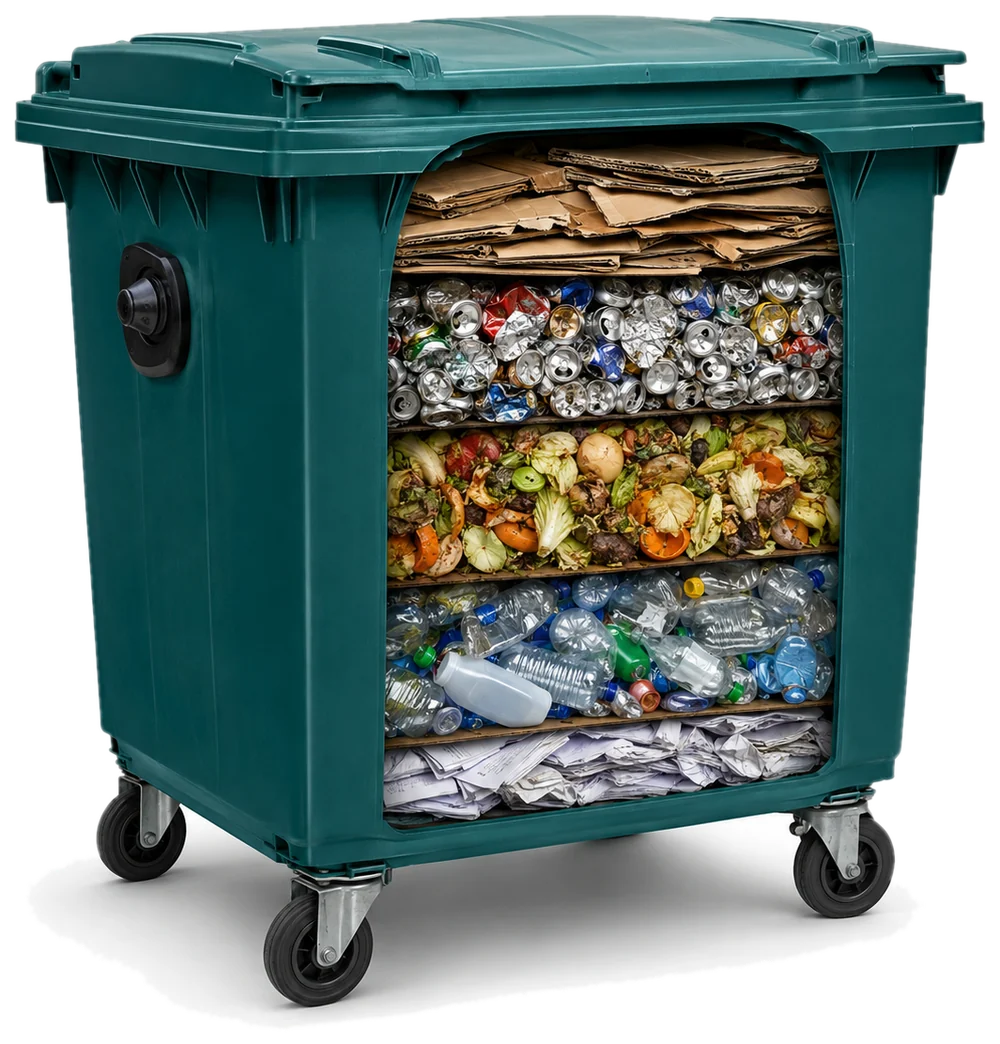
Managing waste in the pubs & bars sector requires understanding specific waste streams, compliance requirements, and cost-effective disposal options. Pubs and bars generate enormous glass waste volumes — a busy venue can produce 500-1,000+ bottles per weekend. Noise restrictions on glass collection are strict in residential areas (clinking glass at 5am triggers complaints). Food waste from kitchens adds organic waste streams. Weekend waste peaks are 3-5x weekday volumes. Beer garden and outdoor area waste management is challenging. Late-night trading means waste accumulates after normal collection hours. Keg management and cardboard from deliveries are significant additional streams. Bundle Waste specialises in helping pubs & bars businesses across Melbourne find the best waste management rates.
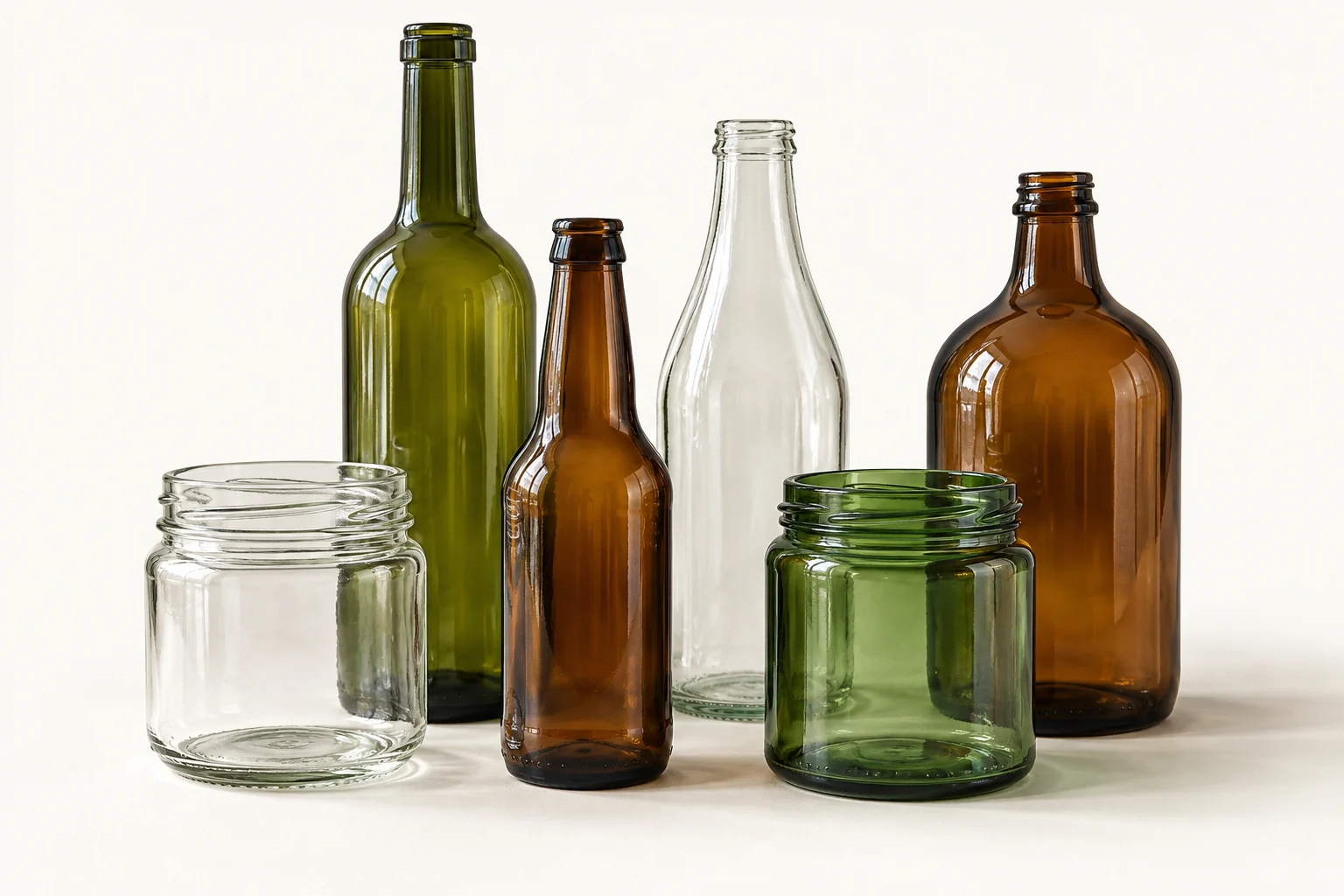
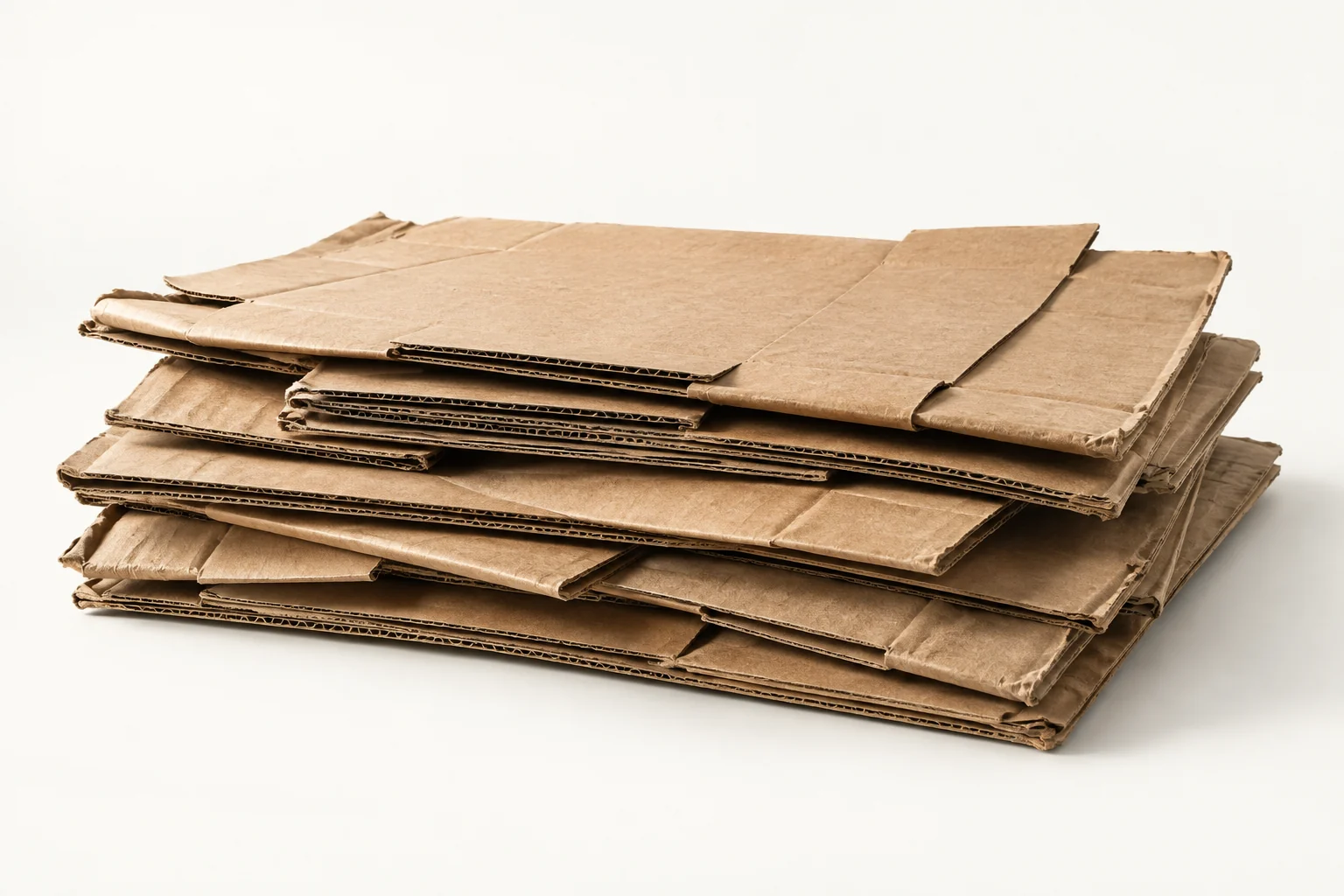
Pubs and bars generate enormous glass waste volumes — a busy venue can produce 500-1,000+ bottles per weekend. Noise restrictions on glass collection are strict in residential areas (clinking glass at 5am triggers complaints). Food waste from kitchens adds organic waste streams. Weekend waste peaks are 3-5x weekday volumes. Beer garden and outdoor area waste management is challenging. Late-night trading means waste accumulates after normal collection hours. Keg management and cardboard from deliveries are significant additional streams.
How much does pub and bar waste management cost in Melbourne?+
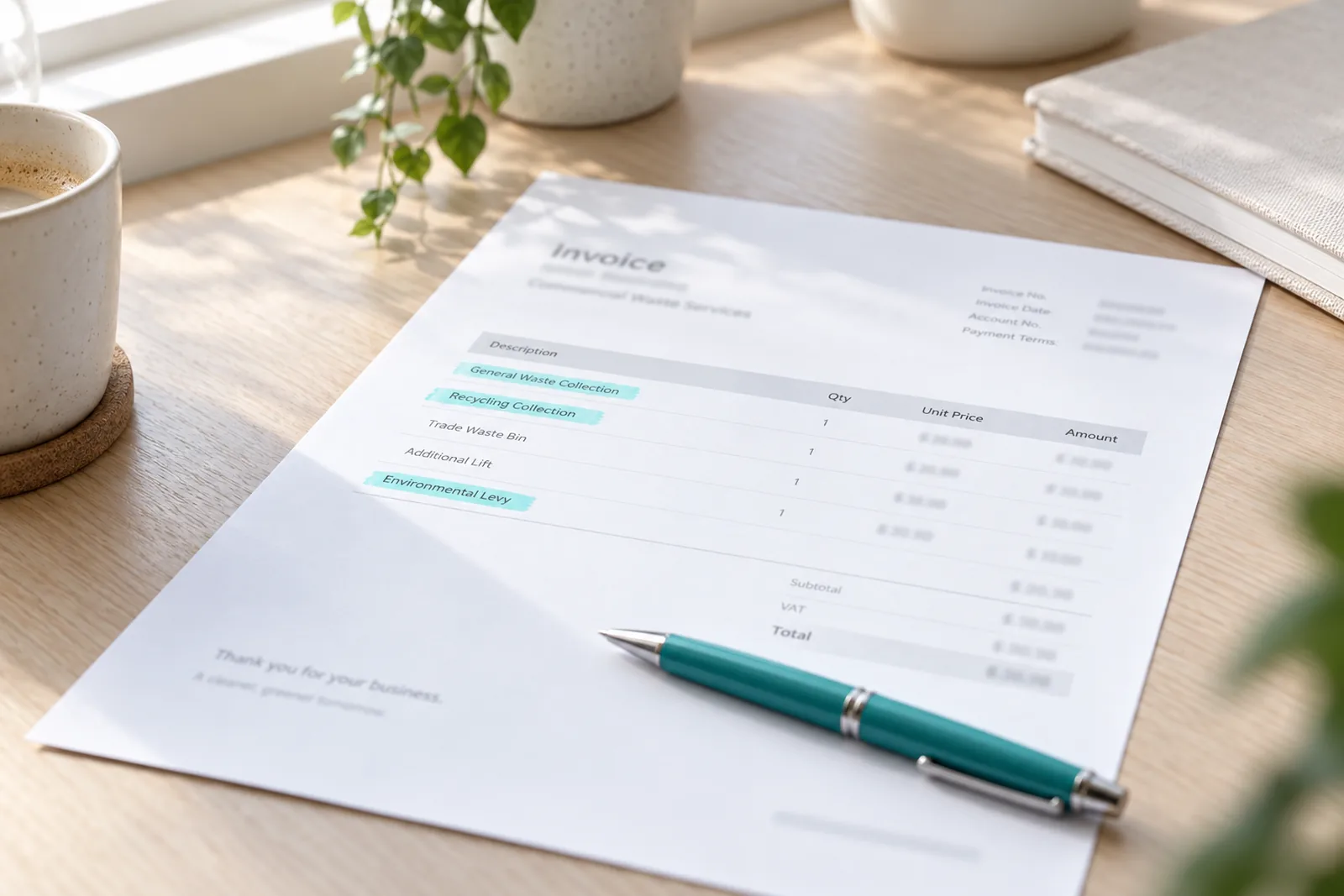
Pub and bar waste management in Melbourne typically costs $500-3,000 per month depending on size and food offering. A small bar (no kitchen) pays $500-800/month, a mid-size pub with kitchen pays $800-1,500/month, and a large pub or beer hall pays $1,500-3,000/month. Glass accounts for the largest single stream: $150-500/month for recycling. General waste runs $200-600/month, food organics $100-400/month (if kitchen), cardboard $50-150/month, grease trap $150-400/quarter, and cooking oil (often free collection).
How should pubs manage glass bottle waste?+
Glass is a pub's dominant waste stream by both volume and weight. Best practices: separate glass into dedicated bins (not mixed with general waste), use glass-specific bins with small openings and sound-dampening liners, empty glass bins into external glass skips — never drop glass into metal skips late at night in residential areas, schedule glass collection mid-morning (after 8am) to avoid noise complaints, sort clear/brown/green if required by recycler (improves per-tonne value), and use glass crushers for high-volume venues (reduces volume by 80%, worth $3,000-5,000).
What are the noise restrictions on waste collection for pubs in Melbourne?+
Noise from waste collection — especially glass — is the number one complaint issue for Melbourne pubs. Most councils prohibit commercial waste collection between 10pm and 7am (some inner-city councils extend to 8pm-8am). Glass collection is specifically problematic because bottle clinking is audible over 50 metres. Solutions: schedule glass collection for 9-10am (after restriction but before lunch trade), use rubber-lined glass collection bins to reduce noise, install glass crushers to eliminate bottle-clinking during transfer, and negotiate with your council if standard collection windows don't work.
How should pubs with kitchens manage food waste?+
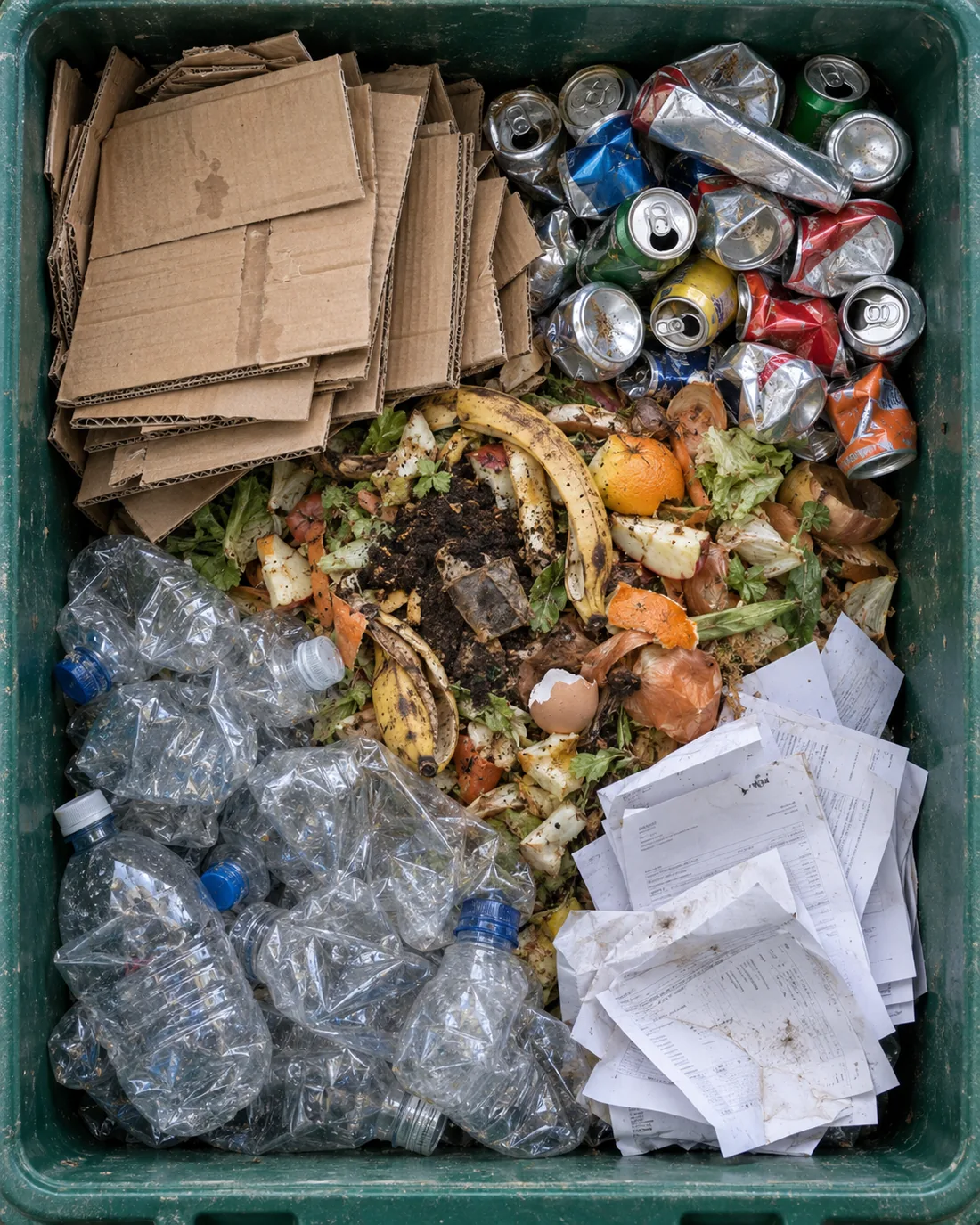
Pubs with kitchens should separate food waste for organics processing — it saves money and reduces general waste. Setup: a kitchen food organics bin (120L-240L) collected 2-3 times per week, staff training on what goes in (food scraps, coffee grounds, napkins) and what doesn't (packaging, plastic), and integration with grease trap and cooking oil management. A pub kitchen typically generates 100-300kg of food waste weekly. Diverting to organics saves $100-300/month compared to sending it all in general waste. Bar snack waste (nuts, chips) can also go in organics.
How does the container deposit scheme affect pubs and bars?+
Victoria's container deposit scheme means eligible bottles and cans carry a 10-cent refund value. For pubs, this changes the economics of glass recycling — containers now have individual value beyond bulk glass recycling. Options: collect containers for redemption through a reverse vending machine or collection point (labour-intensive but potentially lucrative for high-volume venues — 1,000 containers/week = $100/week), or continue bulk glass recycling and let the recycler capture the deposit value. Negotiate whether deposit value is reflected in your glass recycling pricing.
What are hazardous waste disposal costs in Melbourne?+
Hazardous waste disposal in Melbourne ranges from $2–15/kg depending on waste type. Chemical waste costs $3–8/kg, asbestos removal $50–80/m², and liquid chemical disposal $300–800 per 200L drum. All hazardous waste must be handled by EPA-licensed transporters under the Environment Protection Act 2017.
How much does clinical waste disposal cost in Melbourne?+
Clinical waste disposal in Melbourne costs $0.80–2.50/litre depending on waste category. Sharps containers (5L) cost $8–15 each, cytotoxic waste $4–8/kg, and anatomical waste $5–12/kg. Healthcare facilities typically spend $300–1,200/month. All clinical waste must comply with EPA Victoria Publication 1669.
How much does grease trap servicing cost in Melbourne?+
Grease trap servicing in Melbourne costs $150–400 per service depending on trap size. A standard 1,000L trap costs $150–250, a 2,000L trap $250–400. Most food businesses need monthly or quarterly servicing. Failure to maintain grease traps can breach your trade-waste agreement, leading to penalties or suspension of your discharge consent by your water authority (such as South East Water or Yarra Valley Water).
What is the difference between clinical and general waste in healthcare?+
Clinical waste causes infection or injury (sharps, cytotoxic, anatomical, infectious). General is non-hazardous (paper, food, packaging). Clinical costs $0.80–2.50/L vs $0.15–0.25/L general. A large share of clinical bins typically contain general waste that could be segregated.
How should a Melbourne hospital manage its waste?+
Hospitals generate 5–10kg/bed/day across: general waste (40–50%), clinical waste (15–25%), recycling (10–15%), food waste (10–15%), pharmaceutical waste (5%), and confidential waste (5%). A 300-bed hospital spends $10,000–50,000/month. Clinical waste separation training is critical — misclassification costs $50,000–200,000/year in unnecessary clinical waste charges.
 Bundle Waste