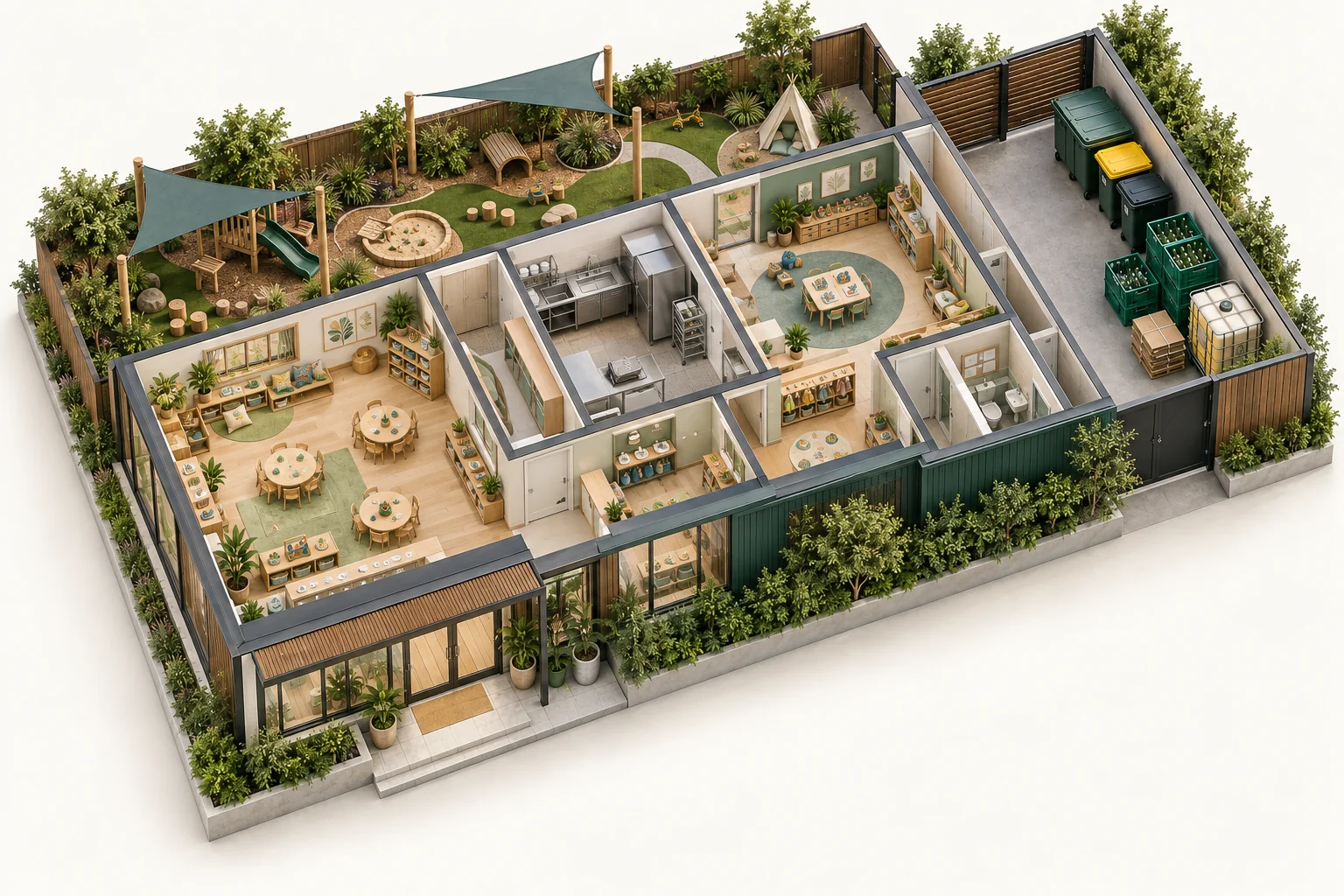
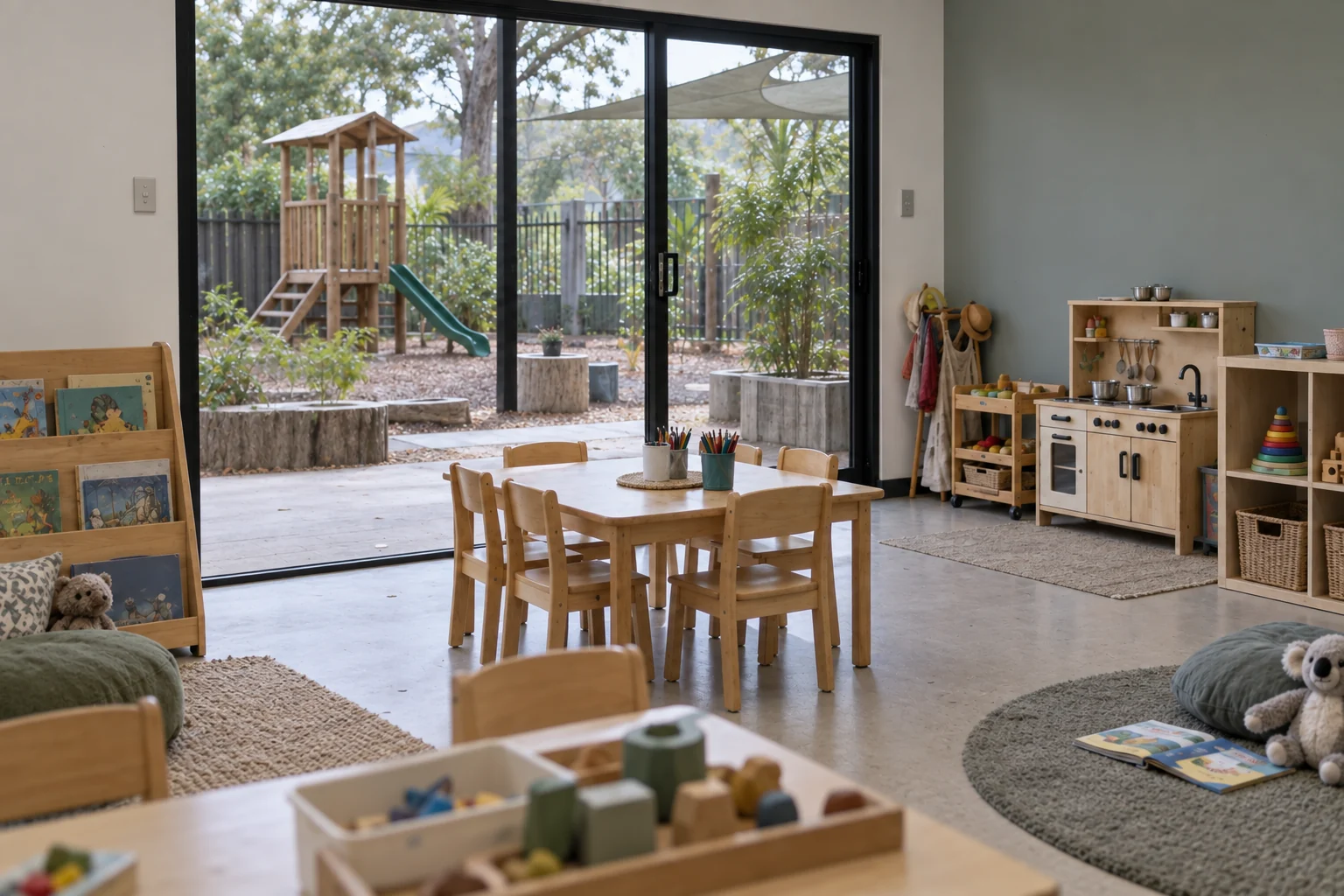
Managing waste in the childcare centres sector requires understanding specific waste streams, compliance requirements, and cost-effective disposal options. Nappy waste drives the majority of costs, generating disproportionate general waste volume for a small business. Odour management is critical given proximity to children and parents. Food waste from meal preparation and uneaten food is significant. Many centres are in residential areas with restricted bin storage and collection times. Recycling contamination is high due to children and rushed staff. Sustainability is increasingly expected by parents. Bundle Waste specialises in helping childcare centres businesses across Melbourne find the best waste management rates.
Nappy waste drives the majority of costs, generating disproportionate general waste volume for a small business. Odour management is critical given proximity to children and parents. Food waste from meal preparation and uneaten food is significant. Many centres are in residential areas with restricted bin storage and collection times. Recycling contamination is high due to children and rushed staff. Sustainability is increasingly expected by parents.
How much does childcare centre waste management cost in Melbourne?+
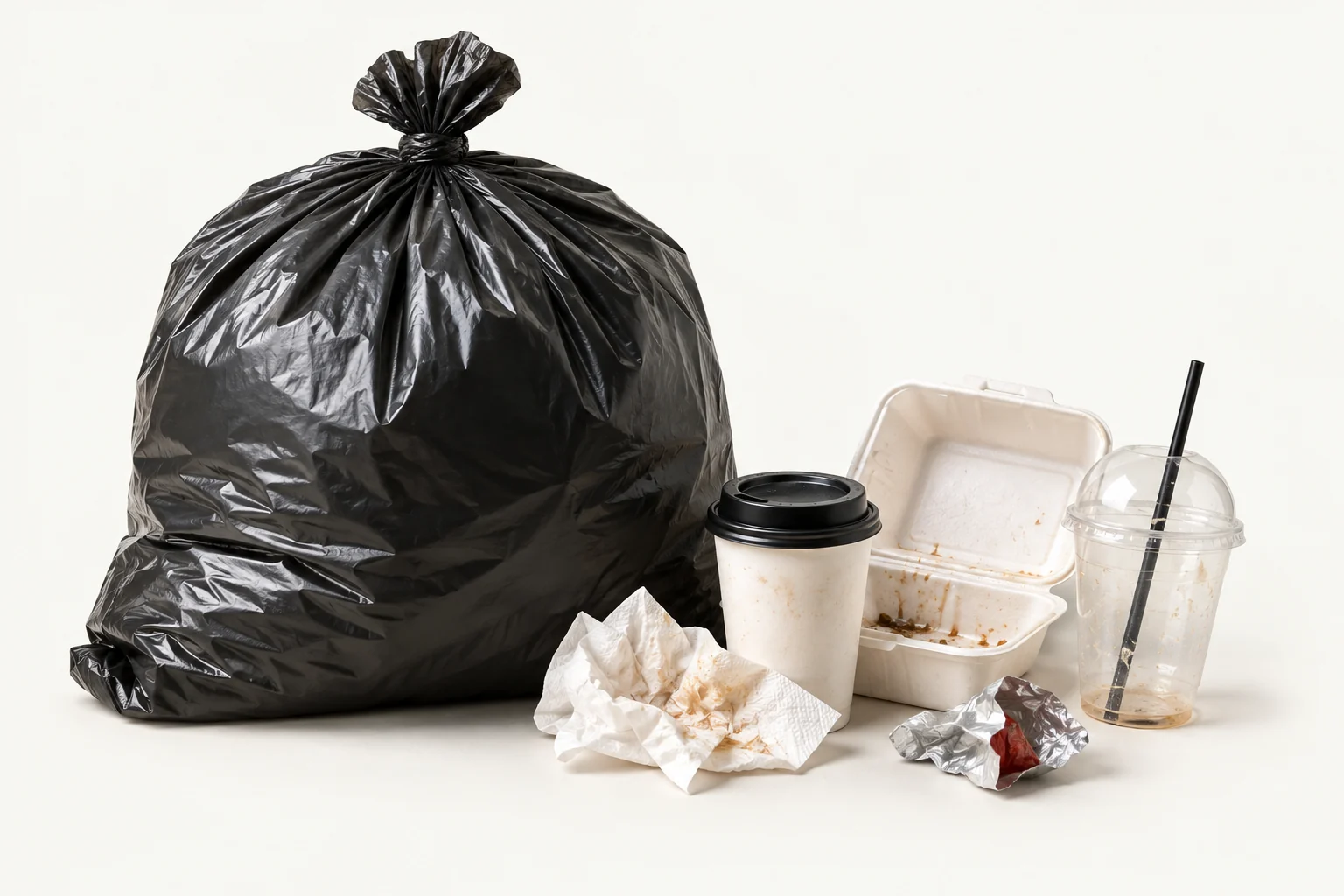
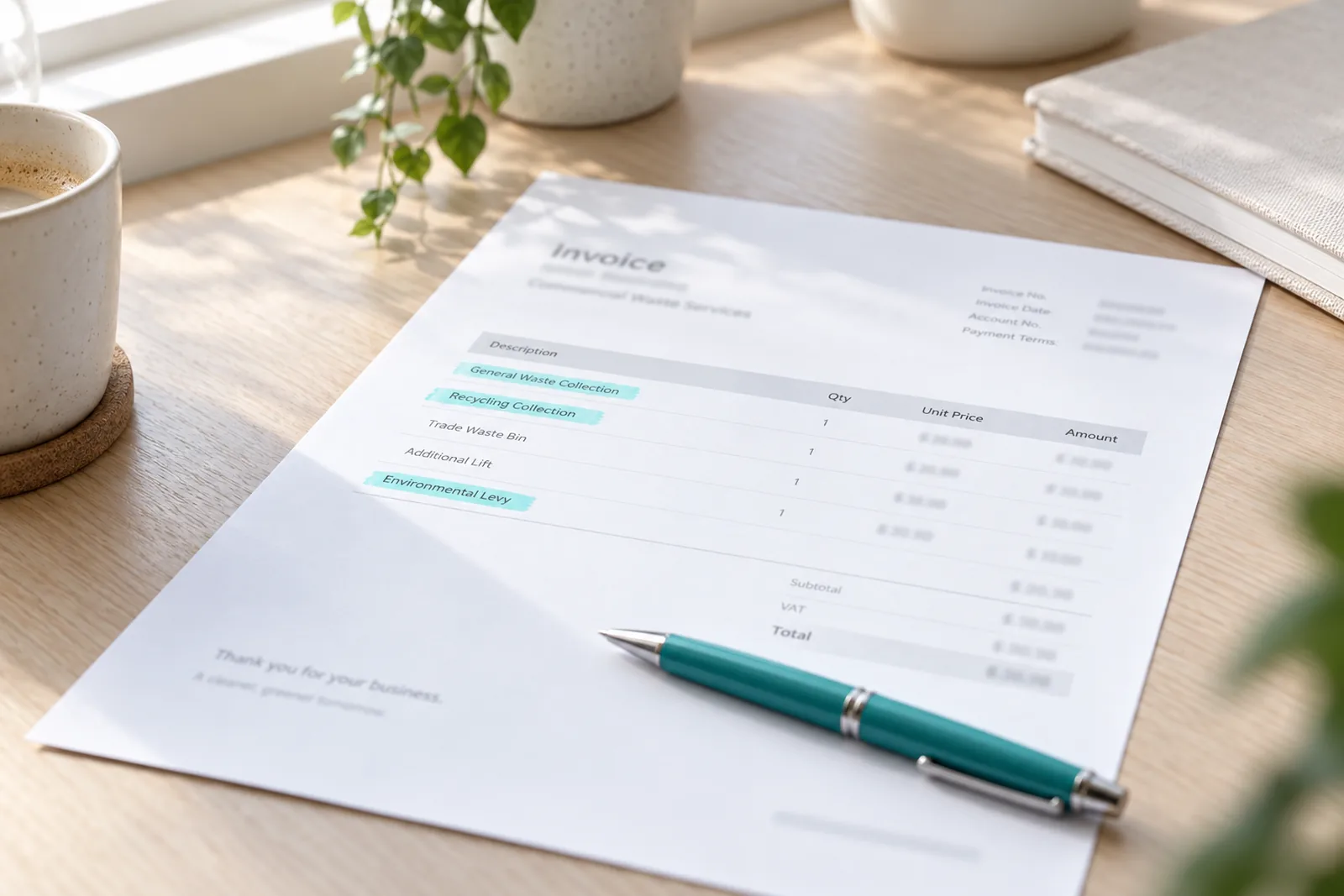
Childcare centre waste management in Melbourne typically costs $300-1,200 per month depending on capacity (number of licensed places). A 40-place centre pays roughly $300-500/month, while a 100+ place centre pays $700-1,200/month. General waste (mostly nappies) accounts for 60-70% of costs at $200-700/month. Recycling runs $50-150/month and food organics $50-200/month. Nappy waste bins with deodoriser inserts add $50-100/month but dramatically improve odour.
How should nappy waste be managed at childcare centres?+
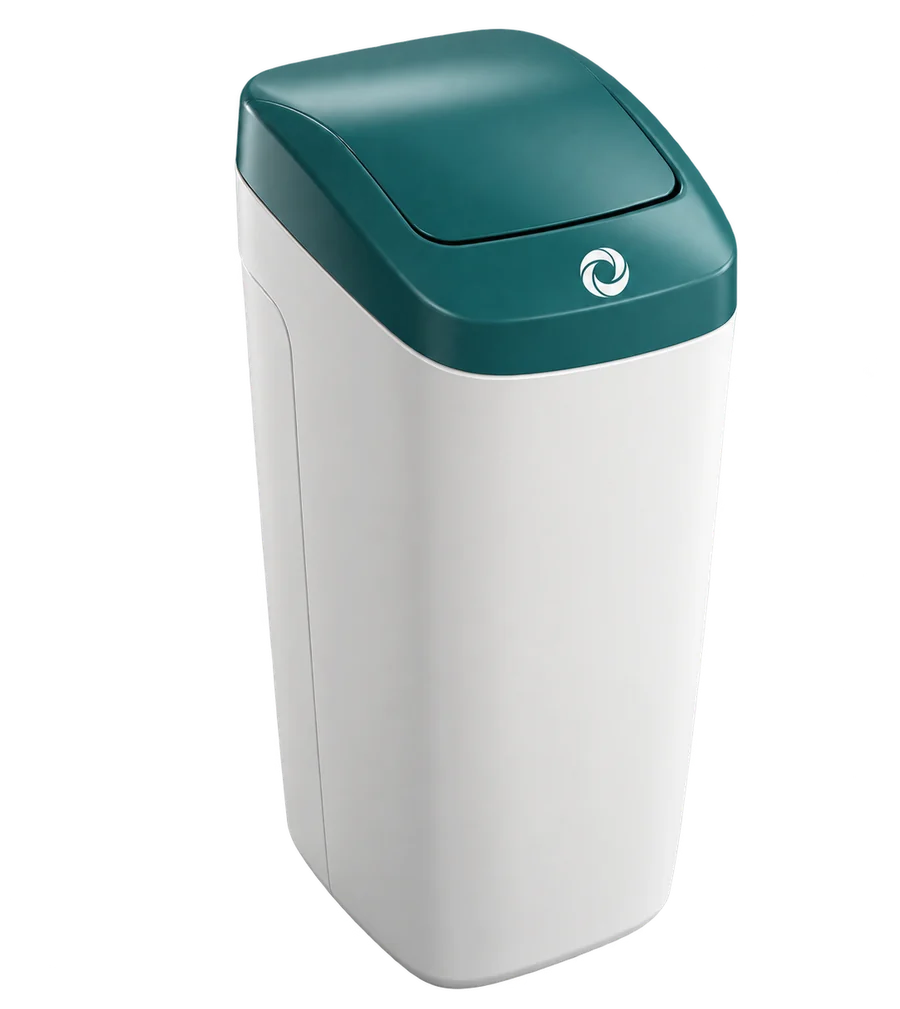
Nappy waste should be double-bagged, sealed immediately, and placed in a dedicated lidded bin away from play areas and food preparation. Bins should be emptied daily into an external wheelie bin or skip. Nappy waste is classified as general waste (not clinical) unless the child has a known infectious disease. Using bins with foot pedals and deodoriser inserts reduces odour. Collection frequency is critical — most centres need general waste collected 2-3 times per week to prevent overflow and odour, especially in summer.
Can childcare centres divert food waste from landfill?+
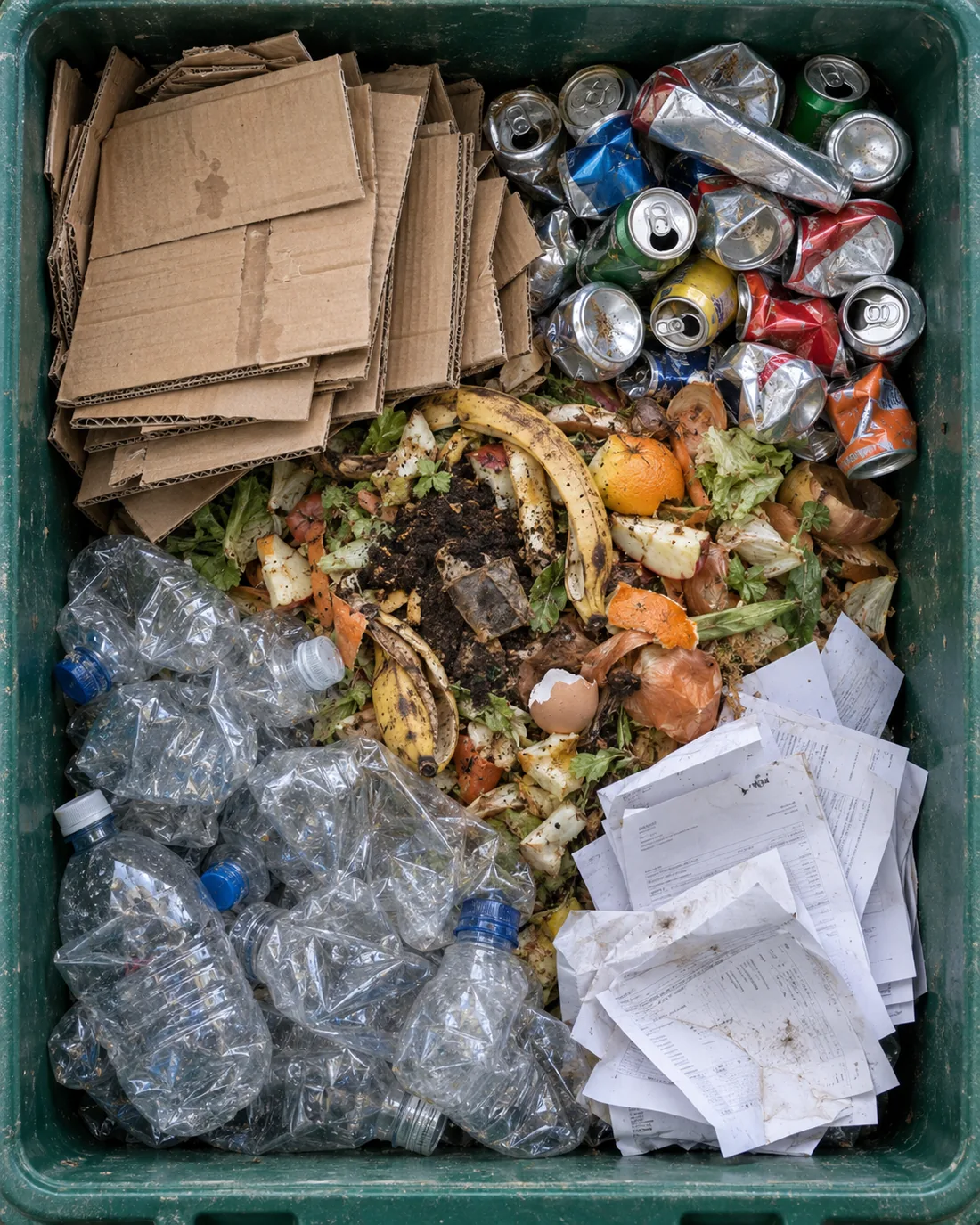
Yes, and it makes financial sense. Childcare centres preparing meals on-site generate 30-60kg of food waste weekly. With the Victorian landfill levy at $169.79/tonne, diverting to organics processing ($60-80/tonne) saves money and demonstrates sustainability to parents. A 120L green-lid bin collected twice weekly costs $80-150/month but can reduce general waste bin size and frequency. Training kitchen staff and educators on correct sorting is essential — laminated posters near bins help.
What are the waste compliance requirements for childcare centres in Victoria?+
Under the National Quality Framework, childcare centres must maintain hygienic waste disposal as part of Quality Area 3 (Physical Environment). This includes: sealed bins in nappy change areas, regular emptying schedules, handwashing facilities near waste points, and documented cleaning procedures. EPA Victoria requires commercial waste to be managed by licensed contractors. Local councils may impose noise restrictions on collection times in residential areas. Documentation of waste procedures should be available for assessment and rating visits.
How often should waste be collected from a childcare centre?+
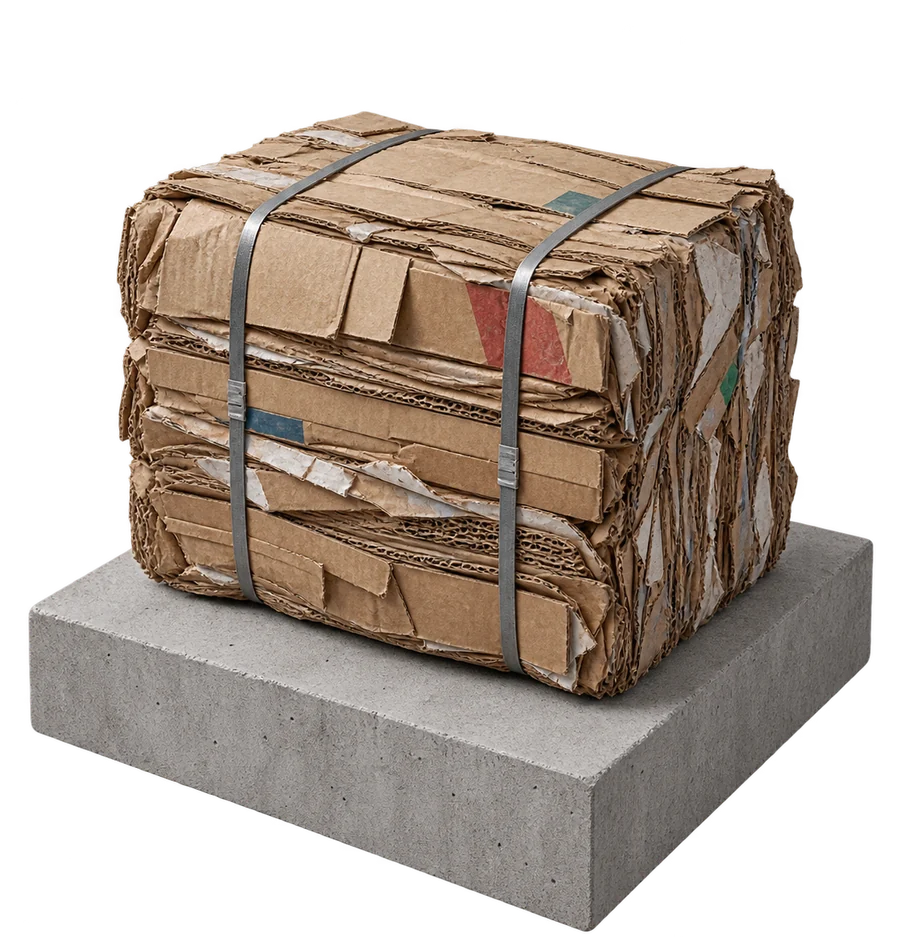
Most Melbourne childcare centres need general waste collected 2-3 times per week (daily in summer for large centres) due to nappy waste volume and odour. Recycling typically needs weekly collection. Food organics, if separated, need 2-3 collections per week. Garden waste from outdoor play areas can be collected fortnightly or monthly. Under-collecting is the most common mistake — overflow bins attract pests and create hygiene risks that can trigger NQF non-compliance.
What are hazardous waste disposal costs in Melbourne?+
Hazardous waste disposal in Melbourne ranges from $2–15/kg depending on waste type. Chemical waste costs $3–8/kg, asbestos removal $50–80/m², and liquid chemical disposal $300–800 per 200L drum. All hazardous waste must be handled by EPA-licensed transporters under the Environment Protection Act 2017.
How much does clinical waste disposal cost in Melbourne?+
Clinical waste disposal in Melbourne costs $0.80–2.50/litre depending on waste category. Sharps containers (5L) cost $8–15 each, cytotoxic waste $4–8/kg, and anatomical waste $5–12/kg. Healthcare facilities typically spend $300–1,200/month. All clinical waste must comply with EPA Victoria Publication 1669.
How much does grease trap servicing cost in Melbourne?+
Grease trap servicing in Melbourne costs $150–400 per service depending on trap size. A standard 1,000L trap costs $150–250, a 2,000L trap $250–400. Most food businesses need monthly or quarterly servicing. Failure to maintain grease traps can breach your trade-waste agreement, leading to penalties or suspension of your discharge consent by your water authority (such as South East Water or Yarra Valley Water).
What is the difference between clinical and general waste in healthcare?+
Clinical waste causes infection or injury (sharps, cytotoxic, anatomical, infectious). General is non-hazardous (paper, food, packaging). Clinical costs $0.80–2.50/L vs $0.15–0.25/L general. A large share of clinical bins typically contain general waste that could be segregated.
How should a Melbourne hospital manage its waste?+
Hospitals generate 5–10kg/bed/day across: general waste (40–50%), clinical waste (15–25%), recycling (10–15%), food waste (10–15%), pharmaceutical waste (5%), and confidential waste (5%). A 300-bed hospital spends $10,000–50,000/month. Clinical waste separation training is critical — misclassification costs $50,000–200,000/year in unnecessary clinical waste charges.
 Bundle Waste