Bundle Waste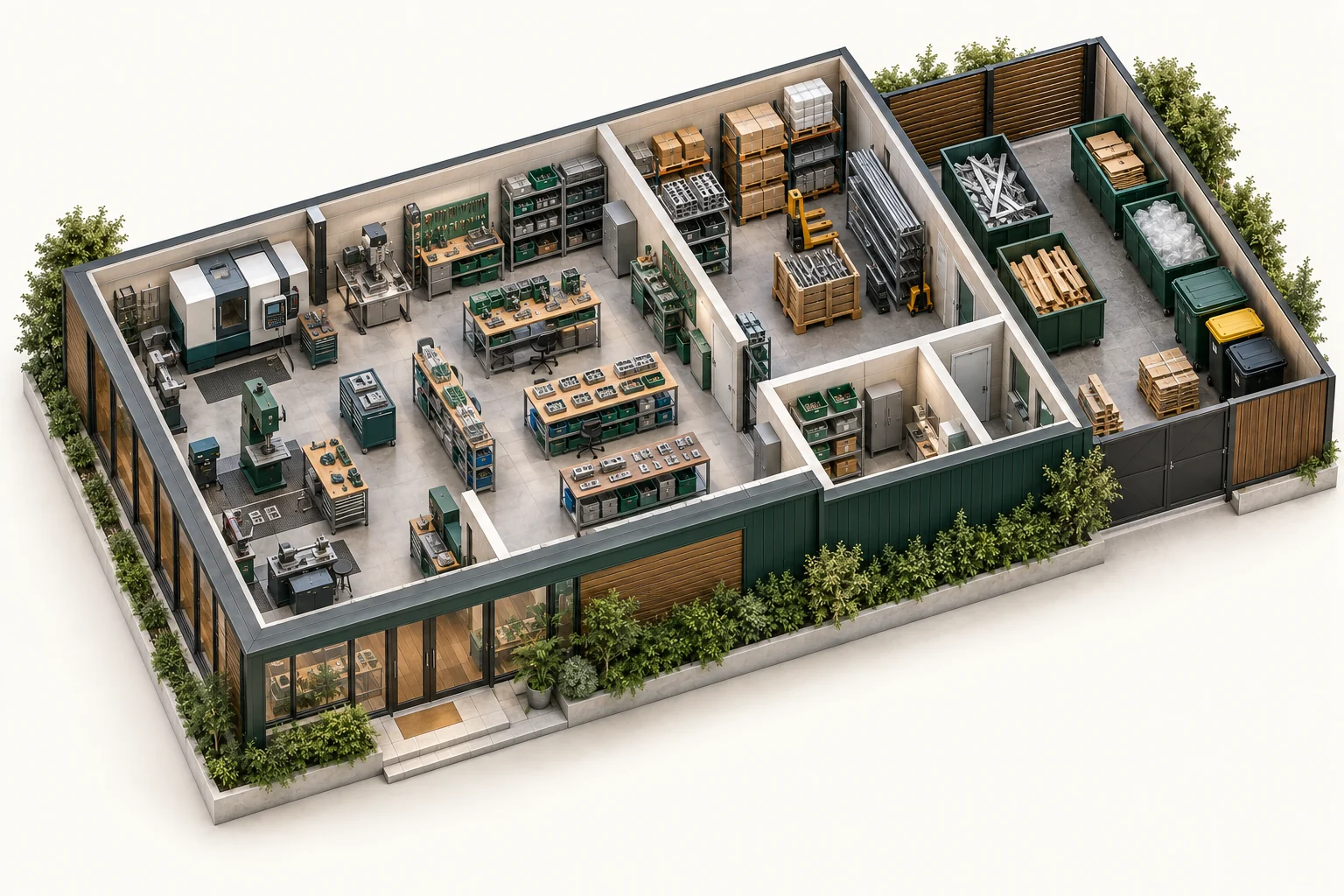

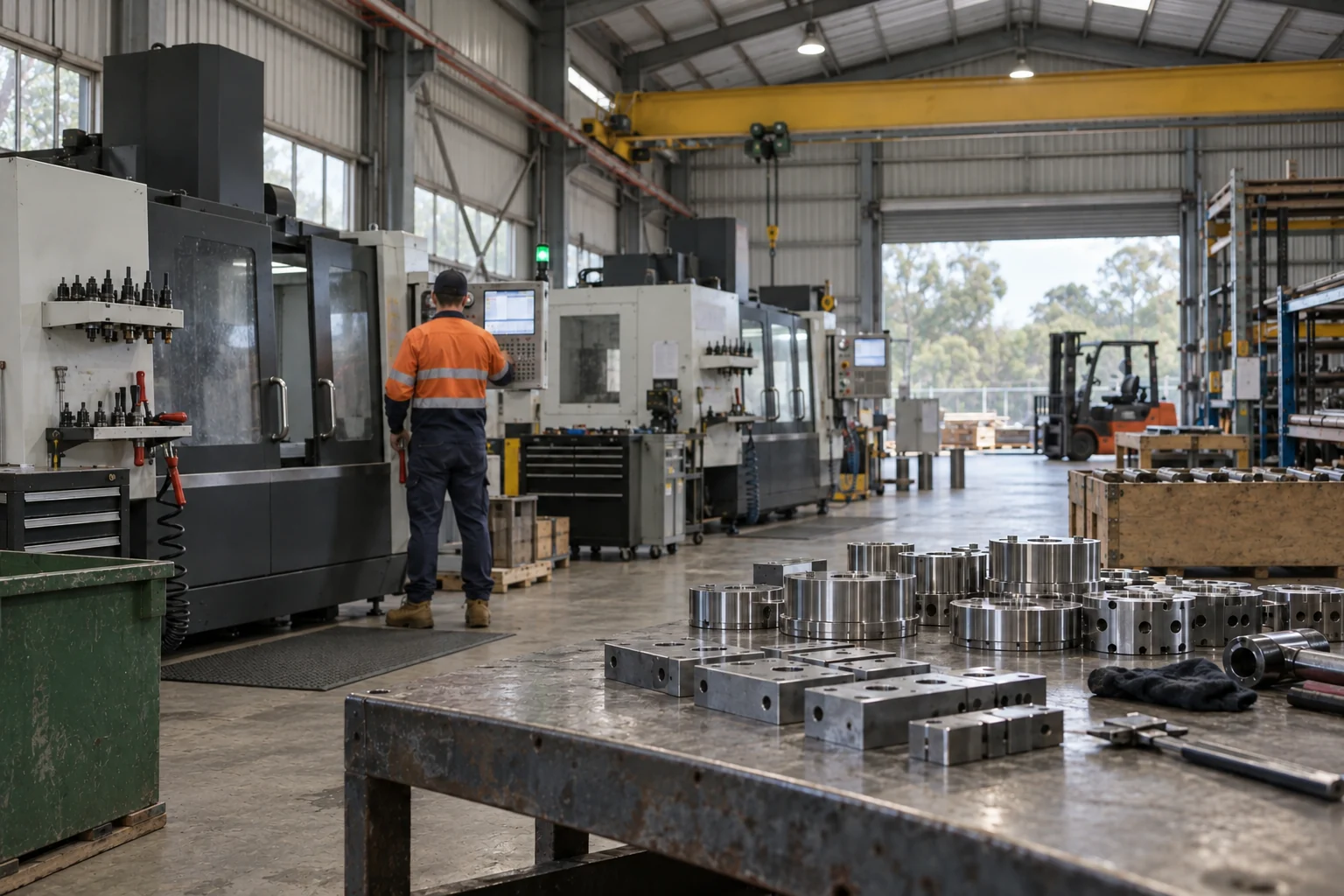
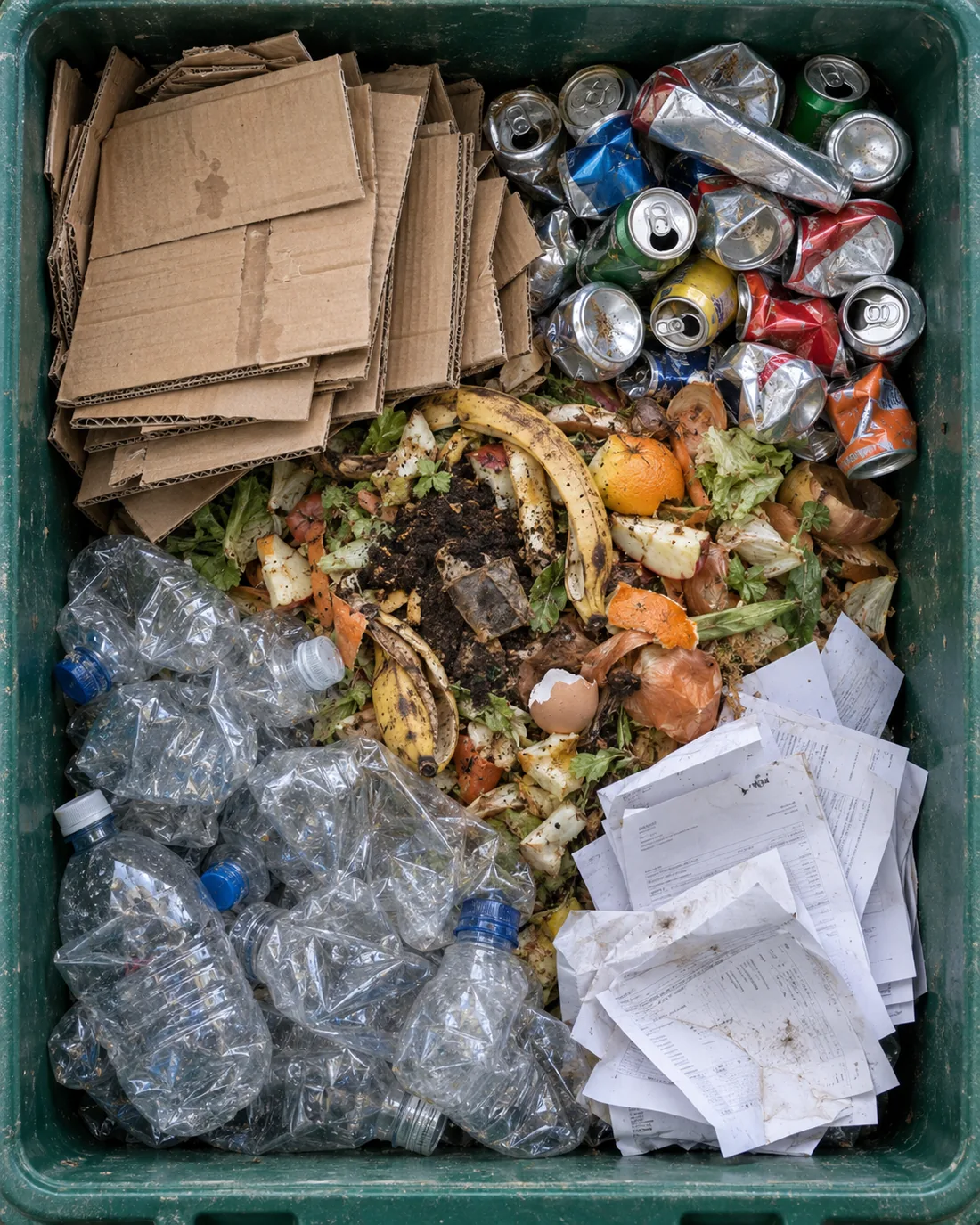
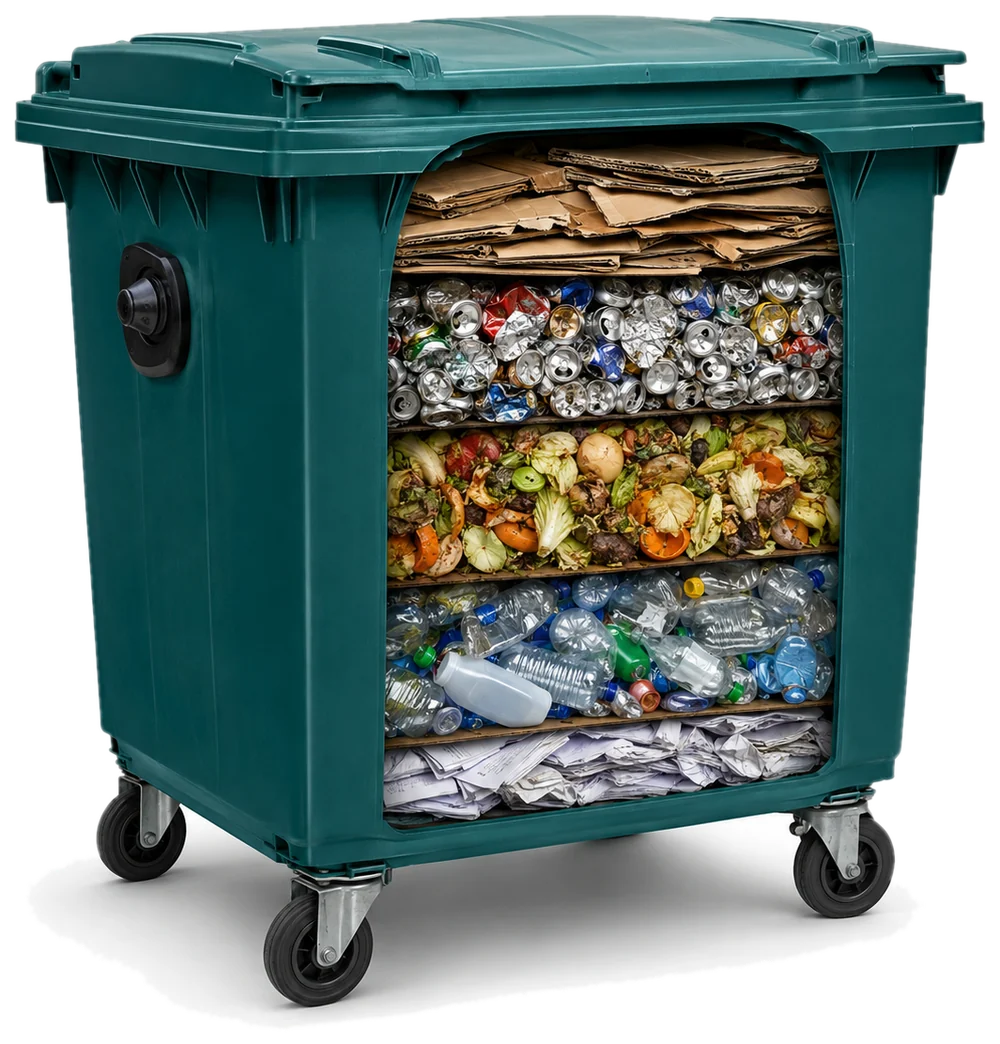
Managing waste in the manufacturing sector requires understanding specific waste streams, compliance requirements, and cost-effective disposal options. Manufacturing generates complex, high-volume waste streams specific to each production process. Prescribed industrial waste requires strict EPA compliance and licensed transport. Scrap metal and cardboard have recyclable value that should offset costs. Pallet management is a significant logistical challenge. Production changes create variable waste volumes. Many manufacturers overpay because they haven't audited waste streams or explored recycling revenue. Large sites may trigger NPI reporting obligations. Bundle Waste specialises in helping manufacturing businesses across Melbourne find the best waste management rates.
Common Waste Streams in Manufacturing
- production waste
- packaging waste
- cardboard
- pallets
- scrap metal
- plastic offcuts
- hazardous waste
- general waste
- recycling
Compliance Requirements
- EPA Victoria industrial waste regulations
- Prescribed industrial waste (PIW) tracking and documentation
- Environment Protection Regulations 2021
- WorkSafe Victoria hazardous substance storage
- Trade waste agreements for industrial discharge
- National Pollutant Inventory (NPI) reporting for qualifying sites
Unique Waste Challenges
Manufacturing generates complex, high-volume waste streams specific to each production process. Prescribed industrial waste requires strict EPA compliance and licensed transport. Scrap metal and cardboard have recyclable value that should offset costs. Pallet management is a significant logistical challenge. Production changes create variable waste volumes. Many manufacturers overpay because they haven't audited waste streams or explored recycling revenue. Large sites may trigger NPI reporting obligations.
Recommended Waste Services
- General Waste Management
- Industrial Waste
- Recycling Services
- Hazardous Waste Management
- Pallet Recycling & Disposal
Waste Management Costs for Manufacturing
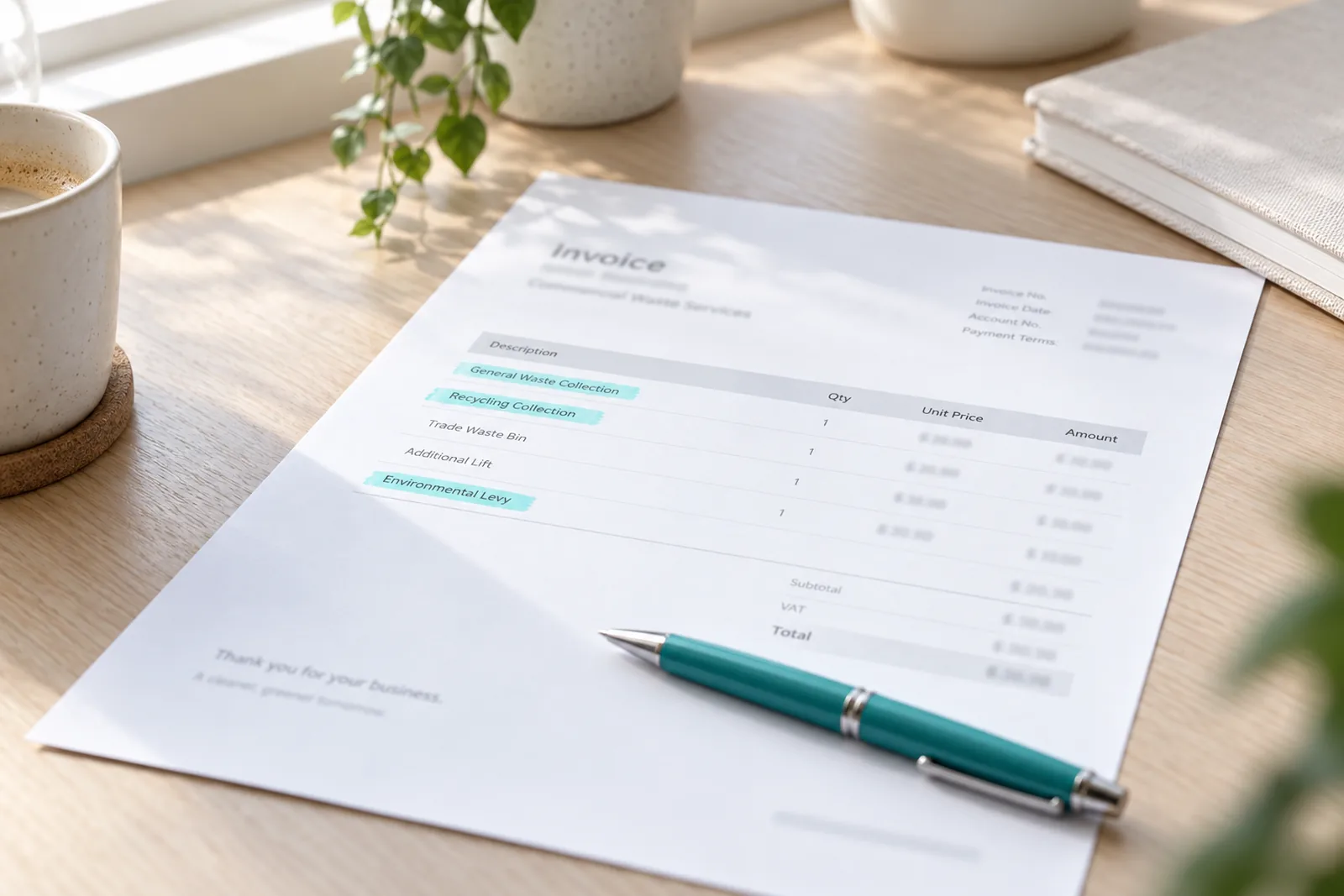
Typical monthly waste management spend for manufacturing businesses is $2,000-15,000. This covers all waste streams including general waste, recycling, and any specialist disposal. Bundle Waste typically negotiates up to 30% savings for manufacturing clients.
Manufacturing Waste Management by Location
Related Resources
Frequently Asked Questions
How much does manufacturing waste management cost in Melbourne?
What is prescribed industrial waste and how does it affect manufacturers?
How can manufacturers generate revenue from waste?
How should manufacturers manage pallet waste?
What waste management documentation do manufacturers need in Victoria?
What are hazardous waste disposal costs in Melbourne?
How much does clinical waste disposal cost in Melbourne?
How much does grease trap servicing cost in Melbourne?
How much does industrial waste disposal cost in Melbourne?
What waste management do laundries need?
Free Waste Audit for Manufacturing
We specialise in Manufacturing waste management. Get a free audit and find out how much you could save.
Get Your Free Audit →