 Bundle Waste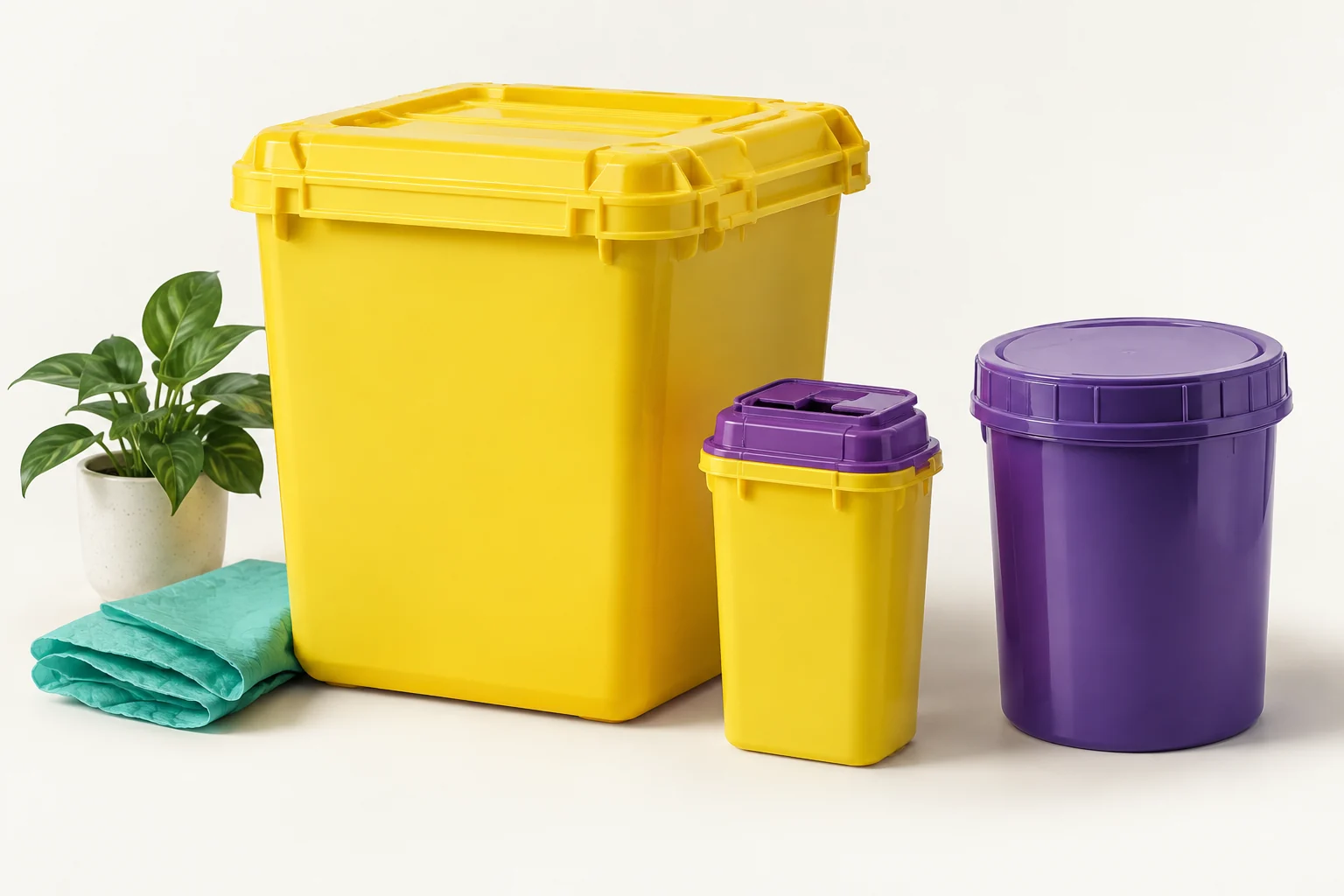
Looking for healthcare & clinical waste in Melbourne East? Bundle Waste compares rates across a network of waste providers in Melbourne to find the best deal for your business. A written proposal is needed to assess the service and any potential saving.
How Much Does Healthcare & Clinical Waste Cost in Melbourne East?
| Bin Size / Frequency | Quote requirements |
|---|---|
| 10L-clinical-bin | Confirm materials, access, included charges and GST in a written quote. |
| 20L-clinical-bin | Confirm materials, access, included charges and GST in a written quote. |
| 60L-clinical-bin | Confirm materials, access, included charges and GST in a written quote. |
| 120L-clinical-bin | Confirm materials, access, included charges and GST in a written quote. |
| 240L-clinical-bin | Confirm materials, access, included charges and GST in a written quote. |
| 660L-clinical-bin | Confirm materials, access, included charges and GST in a written quote. |
| sharps-container-5L | Confirm materials, access, included charges and GST in a written quote. |
| sharps-container-23L | Confirm materials, access, included charges and GST in a written quote. |
| cytotoxic-20L | Confirm materials, access, included charges and GST in a written quote. |
Request a written quote for your site, collection schedule and accepted materials. A review does not guarantee a lower price.
Healthcare & Clinical Waste Services Available
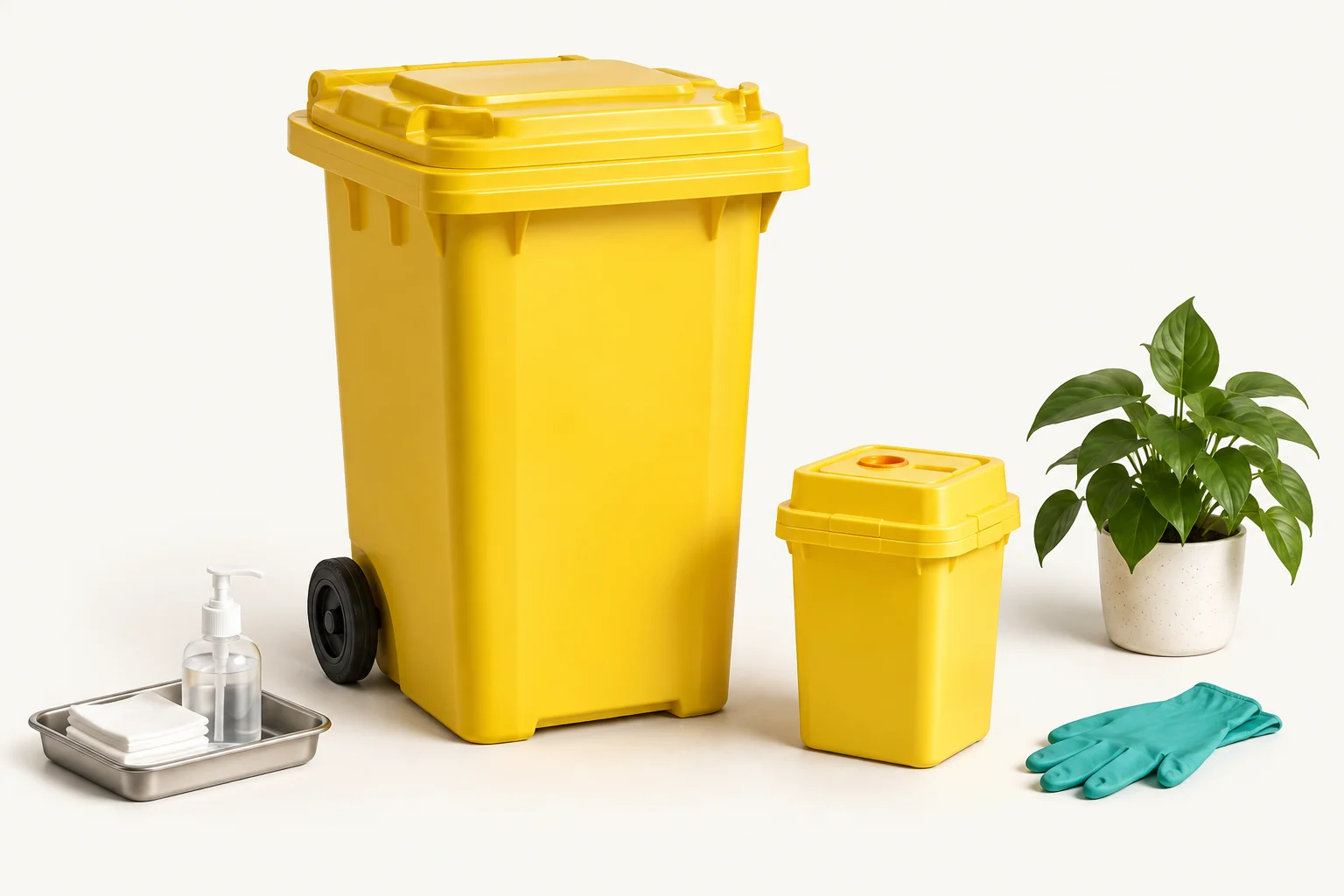
Specialist collection, treatment, and disposal of clinical and medical waste including sharps, infectious waste, pharmaceutical waste, and anatomical waste for hospitals, clinics, dental practices, and aged care facilities across Melbourne.
Waste Types Covered
- sharps
- infectious waste
- pharmaceutical waste
- cytotoxic waste
- anatomical waste
- clinical soft waste
- contaminated PPE
- pathology waste
Bin Types Available
- 2L sharps container
- 5L sharps container
- 10L sharps container
- 20L clinical waste bin
- 60L clinical waste bin
- 120L clinical waste bin
- 240L clinical waste bin
- 660L clinical waste bin
Melbourne East-Specific Information
Melbourne's eastern suburbs are characterised by established commercial centres, light industrial zones, and significant retail activity. Box Hill has emerged as a major commercial hub with high-density development, while Ringwood and Bayswater host thriving industrial estates. The region is home to a mix of professional services, technology companies, retail centres, and education institutions. Mixed commercial waste from retail centres and shopping strips, office paper and recyclables from professional services, and light industrial waste from Bayswater and Ringwood estates. Food waste from the growing Asian restaurant and grocery sector in Box Hill and Glen Waverley is notable.
Regulations and Compliance
EPA Victoria Publication 1665.1 — Clinical and Related Waste Management. Environment Protection Regulations 2021 classify clinical waste as Category B or C prescribed industrial waste.
Landfill Levy: Clinical waste is treated (autoclaved or incinerated) before any residue goes to landfill. Treatment costs $500-1,500/tonne, far exceeding the $169.79/tonne landfill levy.
- Clinical waste classified as prescribed industrial waste under EP Regulations 2021
- EPA waste tracking mandatory for all clinical waste movements
- AS/NZS 3816:2018 — Management of Clinical and Related Wastes
- Sharps must be in AS 4031 compliant containers
- Clinical waste must be treated (autoclaved/incinerated) before landfill disposal
- DHHS Victoria infection control guidelines apply to all healthcare facilities
Industries We Serve in Melbourne East
- Hospitals
- Medical Clinics
- Dental Practices
- Pathology Labs
- Aged Care Facilities
- Veterinary Clinics
- Pharmacies
Related Services and Locations
Frequently Asked Questions
How much does clinical waste disposal cost in Melbourne East?
What are the different categories of clinical waste in Victoria?
What bins do I need for clinical waste at my medical practice?
How much does clinical waste disposal cost in Melbourne?
How much does waste collection cost in Melbourne's eastern suburbs?
What is the difference between clinical and general waste in healthcare?
How should a Melbourne hospital manage its waste?
Get a Free Clinical Waste Audit in Melbourne East
We audit your current healthcare setup, compare rates across a network of providers, and discuss suitable service options. The review is free, with no obligation.
Get Your Free Audit →