 Bundle Waste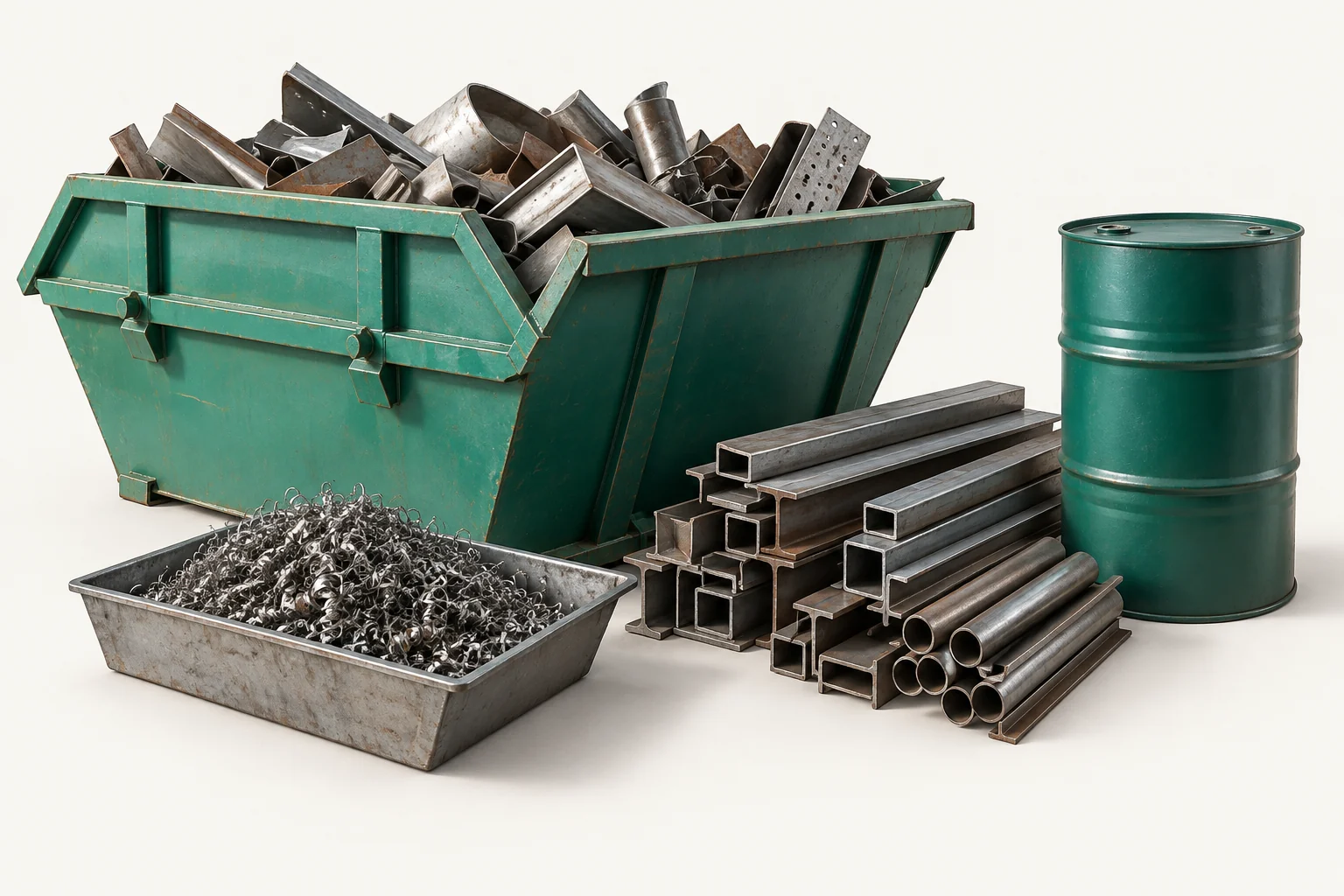
Looking for industrial waste in Melbourne Inner? Bundle Waste compares rates across a network of waste providers in Melbourne to find the best deal for your business. A written proposal is needed to assess the service and any potential saving.
How Much Does Industrial Waste Cost in Melbourne Inner?
| Bin Size / Frequency | Quote requirements |
|---|---|
| 240L-weekly | Confirm materials, access, included charges and GST in a written quote. |
| 660L-weekly | Confirm materials, access, included charges and GST in a written quote. |
| 1100L-weekly | Confirm materials, access, included charges and GST in a written quote. |
| 3m3-weekly | Confirm materials, access, included charges and GST in a written quote. |
| 4.5m3-weekly | Confirm materials, access, included charges and GST in a written quote. |
| front-lift-weekly | Confirm materials, access, included charges and GST in a written quote. |
| compactor-monthly-rental | Confirm materials, access, included charges and GST in a written quote. |
Request a written quote for your site, collection schedule and accepted materials. A review does not guarantee a lower price.
Industrial Waste Services Available
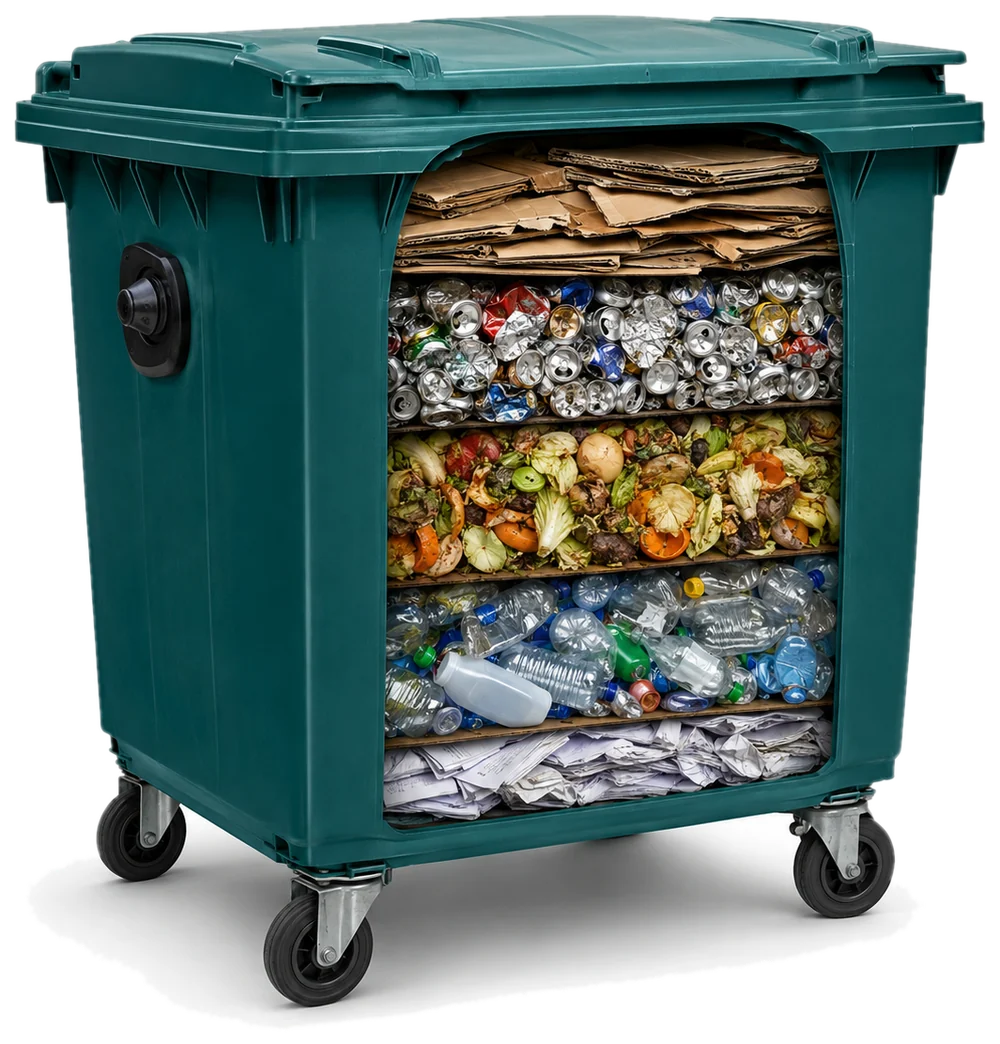
Specialist waste management for manufacturing, warehousing, and industrial operations including production waste, packaging waste, scrap materials, and process by-products across Melbourne and regional Victoria.
Waste Types Covered
- manufacturing waste
- production off-cuts
- packaging waste
- scrap metal
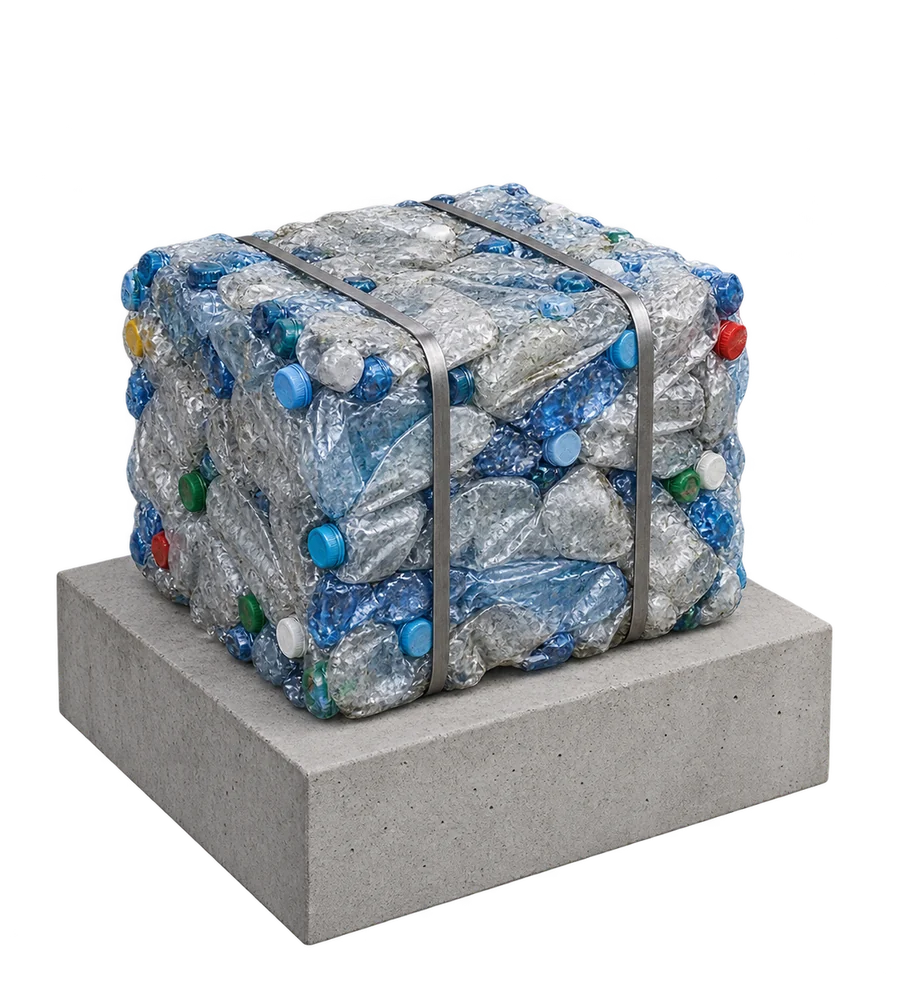
- plastic waste
- process by-products
- timber pallets
- shrink wrap
- industrial sludge
Bin Types Available
- 660L front-lift
- 1100L front-lift
- 3m³ skip
- 4.5m³ skip
- 6m³ skip
- 10m³ hook-lift
- 15m³ hook-lift
- 20m³ hook-lift
- compactor
- baler
Melbourne Inner-Specific Information
Melbourne's inner suburbs are a vibrant mix of creative industries, hospitality, retail, and professional services. Richmond, Cremorne, and Collingwood have become a technology and startup hub, while Fitzroy and Prahran are renowned for their hospitality and boutique retail scenes. South Melbourne and Port Melbourne combine commercial offices with light industrial and maritime-related businesses. High food and organic waste volumes from the dense concentration of cafes, restaurants, and bars. Cardboard and packaging from boutique retail. Office waste from the Cremorne tech precinct. Limited space for bins in older buildings means rear-of-house waste management and collection frequency are critical.
Regulations and Compliance
Environment Protection Act 2017 general environmental duty applies to all industrial operations. EPA Victoria works approval may be required for waste processing activities.
Landfill Levy: Victorian landfill levy: $169.79/tonne (2025-26 metro). Industrial waste diversion to recycling avoids the levy — scrap metal, clean plastics, and cardboard all have commodity value.
- General environmental duty (EP Act s.25) — minimise waste risks as far as reasonably practicable
- Prescribed industrial waste tracking for any hazardous by-products
- EPA works approval for on-site waste processing (e.g., shredding, compacting prescribed waste)
- Waste reduction targets under Recycling Victoria policy
- National Pollutant Inventory reporting for facilities exceeding emission thresholds
Industries We Serve in Melbourne Inner
- Manufacturing
- Food Processing
- Automotive Dealerships
- Warehousing
- Logistics
- Printing Companies
Related Services and Locations
Frequently Asked Questions
How much does industrial waste management cost in Melbourne Inner?
What is the best waste setup for a manufacturing facility?
How can I reduce waste costs at my factory?
What are waste costs for businesses in Melbourne's inner suburbs?
How much does industrial waste disposal cost in Melbourne?
How should a small bar manage waste compared to a large pub?
How does waste management work for businesses in heritage-listed buildings?
Get a Free Industrial Waste Audit in Melbourne Inner
We audit your current industrial setup, compare rates across a network of providers, and discuss suitable service options. The review is free, with no obligation.
Get Your Free Audit →