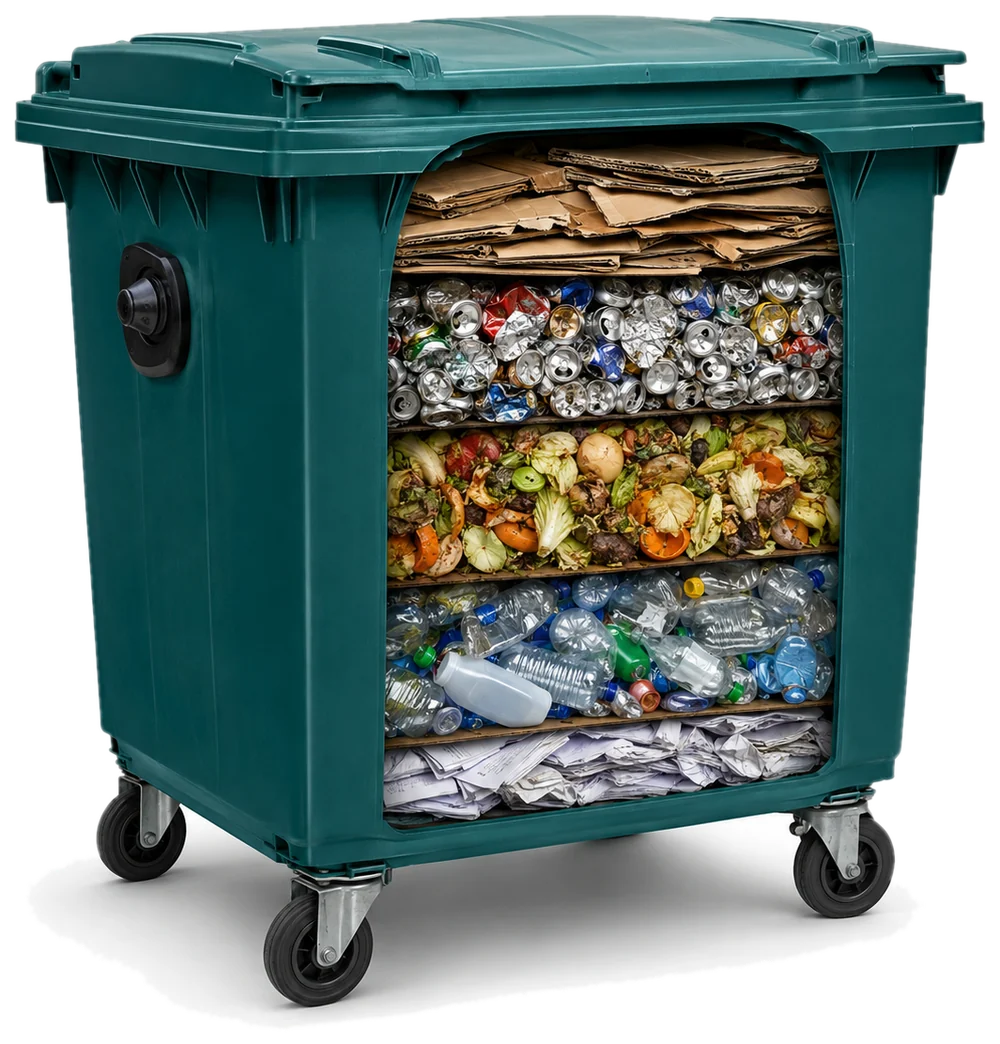
Bundle Waste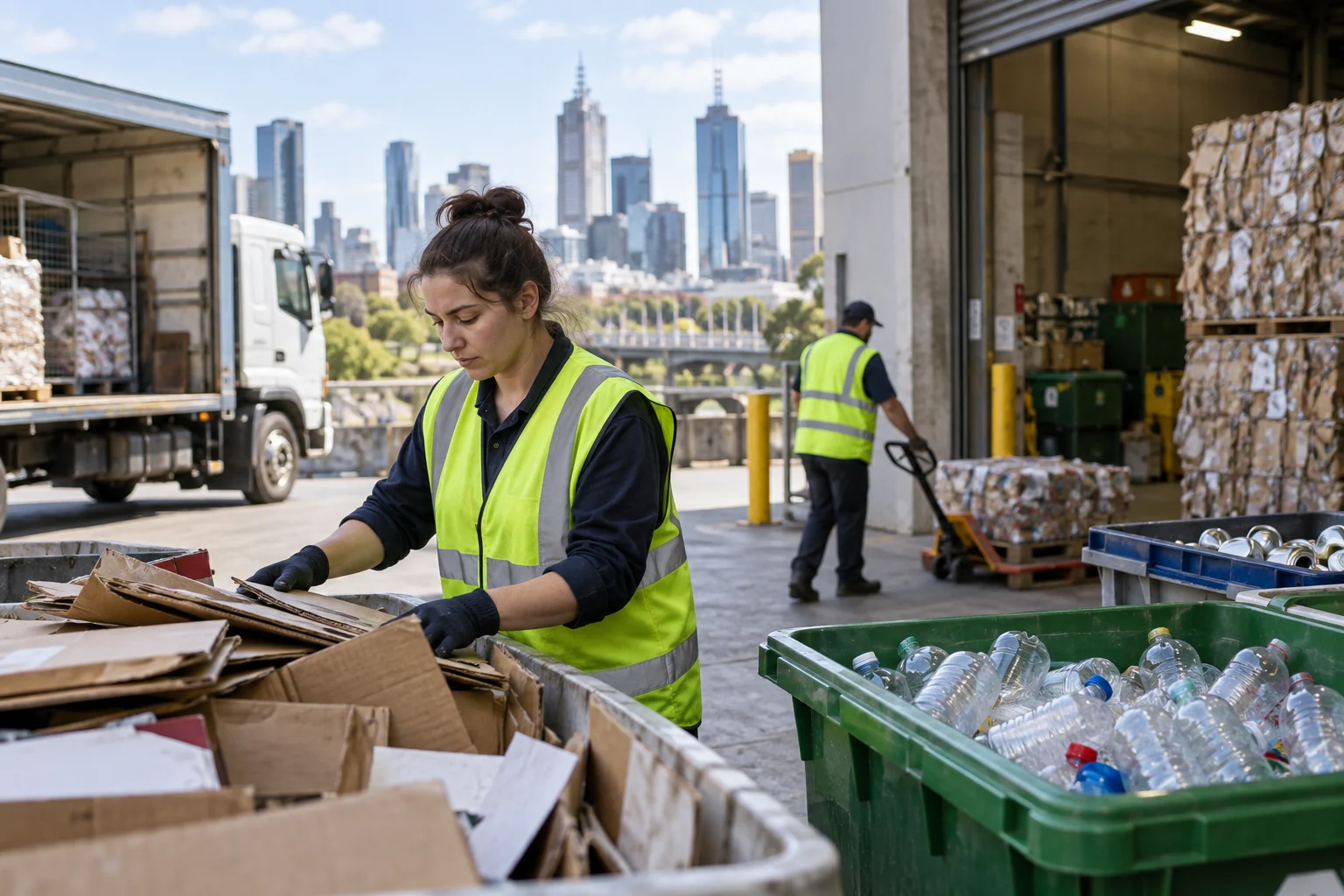
Start a circular-economy review by asking where purchasing, maintenance, reuse or supplier returns can prevent waste. Assess each option using real material flows and the full operating cost.
Look beyond the recycling bin
The Ellen MacArthur Foundation’s introduction describes a circular economy through preventing waste, keeping products and materials in circulation and regenerating nature. Recycling is part of that picture; it is not the only action available.
Choose one material flow to investigate
Pick a recurring item such as transit packaging, furniture, pallets or production offcuts. Record purchase quantity, use, damage, disposal and associated costs. Identify the people responsible for buying, using and disposing of it so a change does not solve one department’s problem by creating another’s.
Test repair, return and reuse
Ask suppliers about repairability, replacement parts, take-back and reusable packaging. Confirm ownership, cleaning, storage, return transport and rejected-item terms. For food-contact or hazardous applications, get the appropriate safety assessment rather than improvising reuse.
Compare the complete arrangement
Include purchase or rental, washing, maintenance, return transport, losses, staff time and end-of-life handling. Compare over the same period and service output. Do not assume a reusable item always wins financially or environmentally without examining the actual use pattern.
Verify any receiving route
Before describing an offcut as someone else’s feedstock, obtain their acceptance specification and confirm applicable waste requirements. A possible recipient is not a completed recovery outcome. Keep rejected or surplus material in the plan too.
Run a measured trial
Set a baseline, a responsible person and a review date. Record avoided purchases, reuse cycles and actual waste quantities. Publish a case study only from those records and with the relevant permissions; an illustrative logistics saving is not customer evidence.
Related guides
Sources
Checked 18 September 2026. Operator sources describe their own services; these are not rankings, endorsements or universal acceptance rules.
- Ellen MacArthur Foundation — Circular economy introduction. Definition and three principles.