 Bundle Waste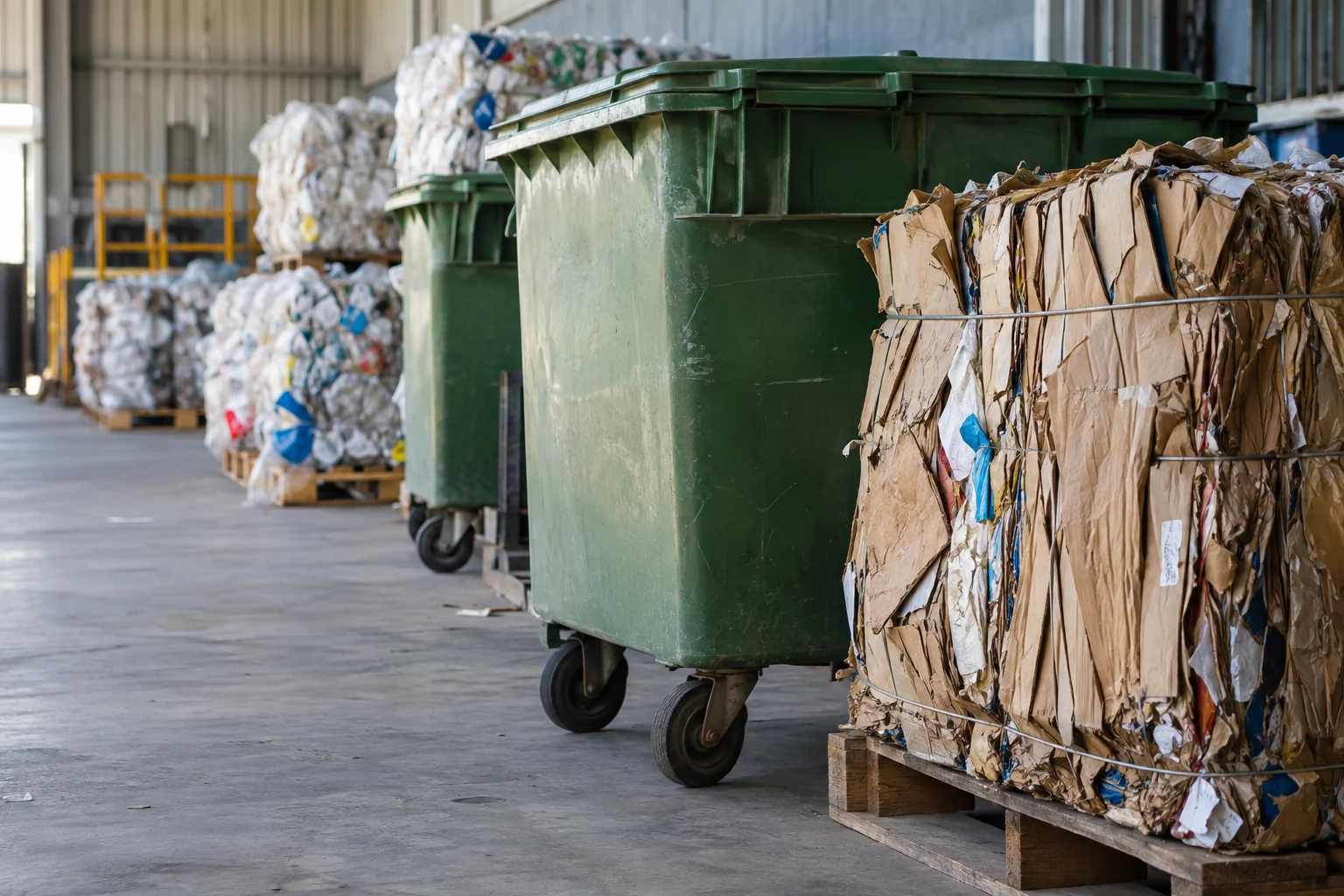
Choose waste support by the work you need done, not the job title alone. A procurement assignment, ongoing collection administration and technical waste classification require different deliverables. Ask each prospective adviser to state its scope and limits in writing.
Compare the requested work
| Your need | Scope to request | Evidence to assess |
|---|---|---|
| Compare collectors and negotiate services | Procurement or brokerage | Providers considered, quote comparison and remuneration disclosure |
| Investigate material flows and reduction options | Waste assessment or consulting | Method, assumptions, action plan and qualifications relevant to the work |
| Resolve complex waste classification | Specialist technical advice | Competence, required testing and a documented classification basis |
| Manage multiple collection accounts | Service administration | Responsibility for invoices, exceptions, escalation and reporting |
EPA Victoria notes that industrial waste classification can require technical knowledge and identifies accredited consigners and environmental consultants as sources of help. Do not assume a procurement service includes that specialist work. EPA Victoria: Classify industrial waste
Ask how the provider is paid
Request all client fees, supplier commissions, referral arrangements, mark-ups and any savings-linked calculation. Ask how conflicts are managed and whether the selection includes all suitable providers or a defined panel. There is no universal fee model attached to either title.
Clarify who contracts with whom
- Who signs the collection agreement and receives the invoice?
- Who can approve a service change or accept a new term?
- Who handles a missed service or disputed charge?
- Who owns the records and what happens when the engagement ends?
- Which outcomes are promised, and how are they measured?
For contract-law guidance, see Australian Competition and Consumer Commission: Contracts. Obtain advice on the specific agreement before relying on a legal remedy.
When both scopes are useful
A technical review can establish the correct streams and controls, followed by procurement using that specification. Keep responsibilities explicit so a cheaper quote does not silently change a necessary treatment route. See questions to ask a broker and the tender process.
Sources
- Australian Competition and Consumer Commission — Contracts. Checked 18 September 2026; Unfair contract terms; Small business and unfair contract terms.
- EPA Victoria — Classify industrial waste. Checked 18 September 2026; Classification process; Waste codes; Priority waste categories.