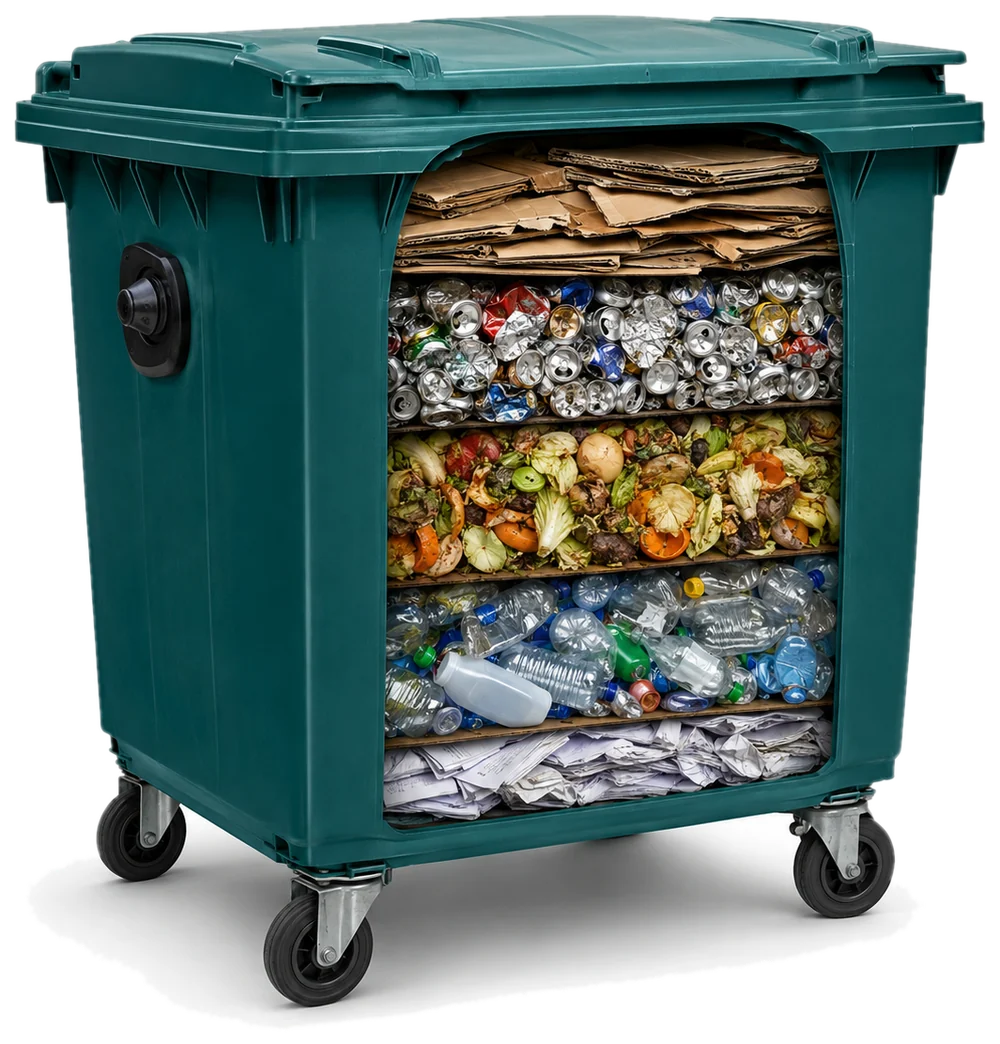
Bundle Waste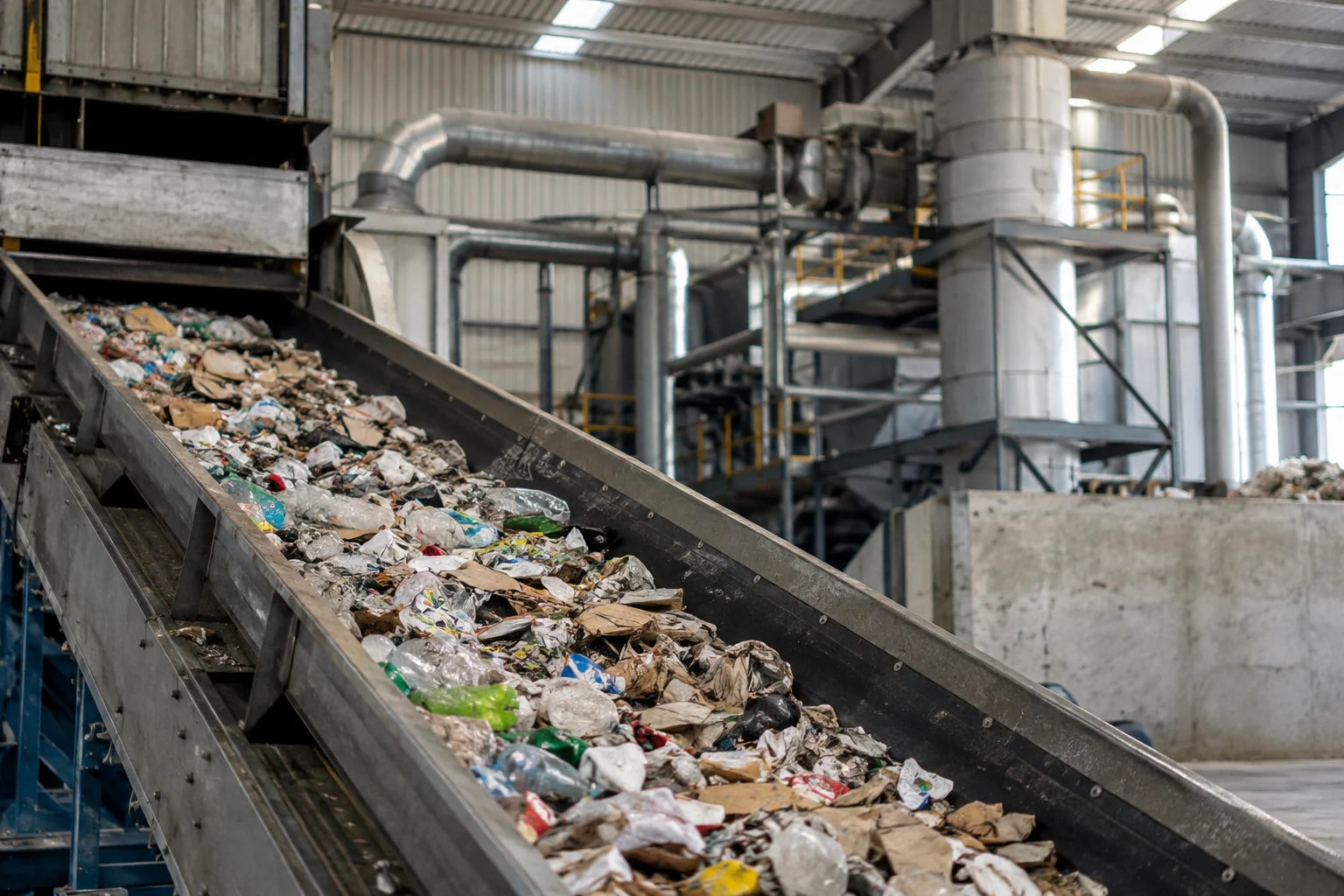
Ask what happens to the specific waste after collection before accepting a waste-to-energy proposal. Energy recovery is a different outcome from recycling materials into new products. Neither a technology label nor a proposed facility proves that your load has an available, authorised route.
Place energy recovery in the waste hierarchy
Victorian Government guidance places waste-to-energy after avoiding, reusing and recycling waste. Use it as a framework for assessing residual material, not a reason to mix recyclable streams or claim that every form of energy recovery has the same environmental result. Victorian Government: Waste to energy
Questions for a proposed service
| Topic | Evidence to request |
|---|---|
| Material acceptance | Written specification covering your waste and exclusions |
| Facility status | Current operating status and relevant approvals for the proposed activity |
| Processing route | Whether the load is sorted, treated or converted into an intermediate fuel first |
| Outputs and residues | How energy, recovered materials and residual waste are recorded |
| Continuity | Alternative destination if the facility cannot accept the material |
| Price | Transport, treatment, preparation, rejection and other quoted charges |
Do not rely on project announcements
A planned capacity or construction announcement is not proof of an operating service. Check the facility's current permissions and acceptance with the operator and regulator before contracting. This guide does not publish a project pipeline or gate-price forecast because those claims need continuing project-specific verification.
Compare the complete proposal
Ask whether additional separation or equipment is needed at your site, how contaminants are identified and who pays for rejected loads. Compare with feasible reuse, recycling and other authorised routes using the same material, quantity and period.
Report the outcome precisely
Keep collection and treatment records. Identify energy recovery separately from material recycling and disclose uncertain quantities or routes. Avoid claims such as zero waste or zero landfill unless the evidence covers the full boundary, including residues.
Use the waste-data guide to set reporting requirements and the tender checklist to compare offers.
Sources
- Victorian Government — Waste to energy. Checked 18 September 2026; Framework; Licensing; Frequently asked questions.