Get a free audit
Shopping Centres Waste Management in Melbourne West

Shopping-centre waste,
one coordinated approach.

Tailored waste management for shopping centres businesses in Melbourne West.

Review my setup ↗
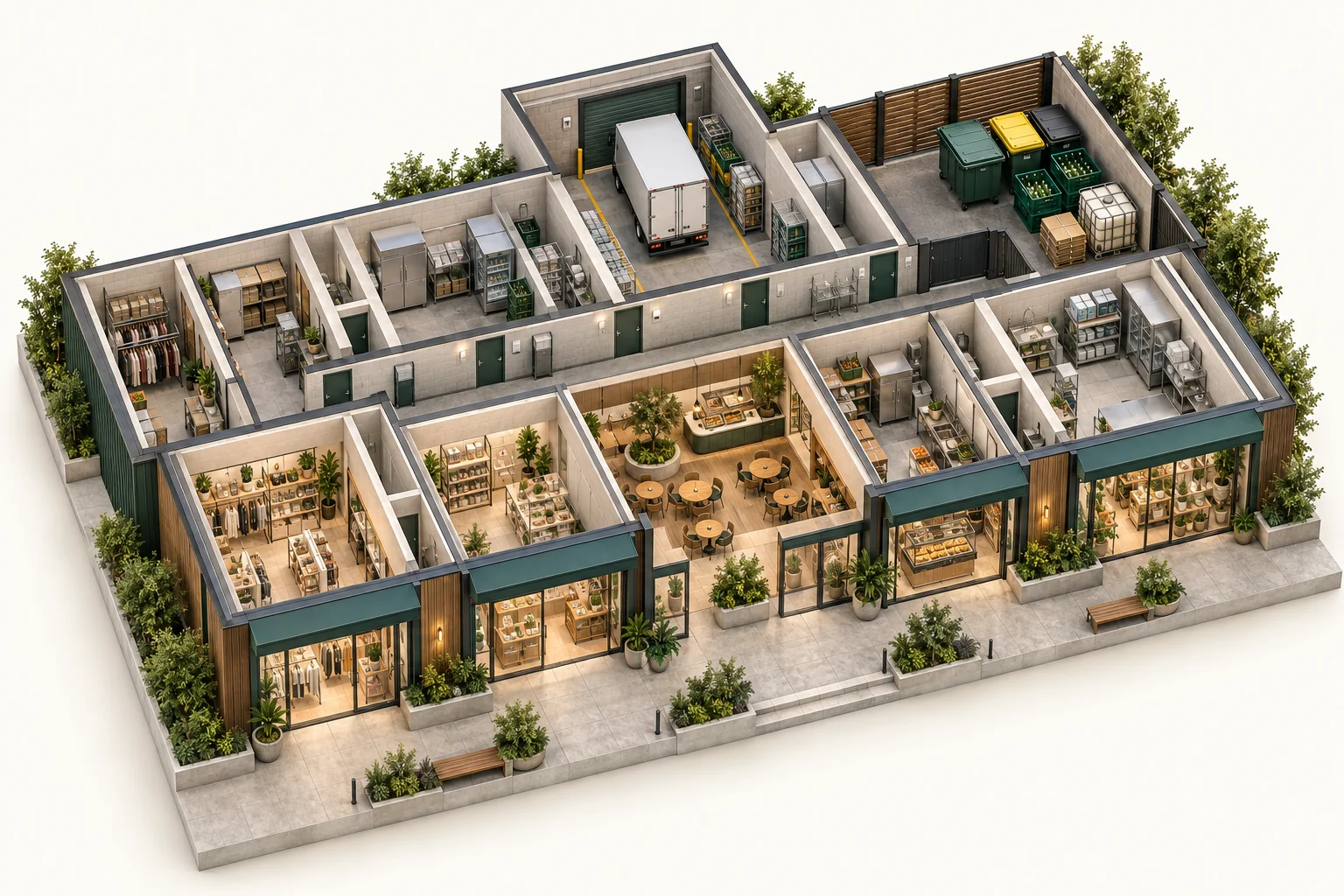
Illustrative cutaway of shopping centres showing work areas and waste storage
Waste streams

One operation.
Different waste streams.

Start with the materials your business produces. We look at separation, storage and collection options for the way your site works.

Operations

Plan the collection
around your site.

Every operation is different. Start with where materials arise, where bins fit and how a collection vehicle reaches them.

Identify usable bin space, separation points and a practical route from each work area.

  1. 01Tenancies
  2. 02Shared areas
  3. 03Loading dock
  4. 04Collection
Illustrative shopping centres premises for site planningStorage & separation

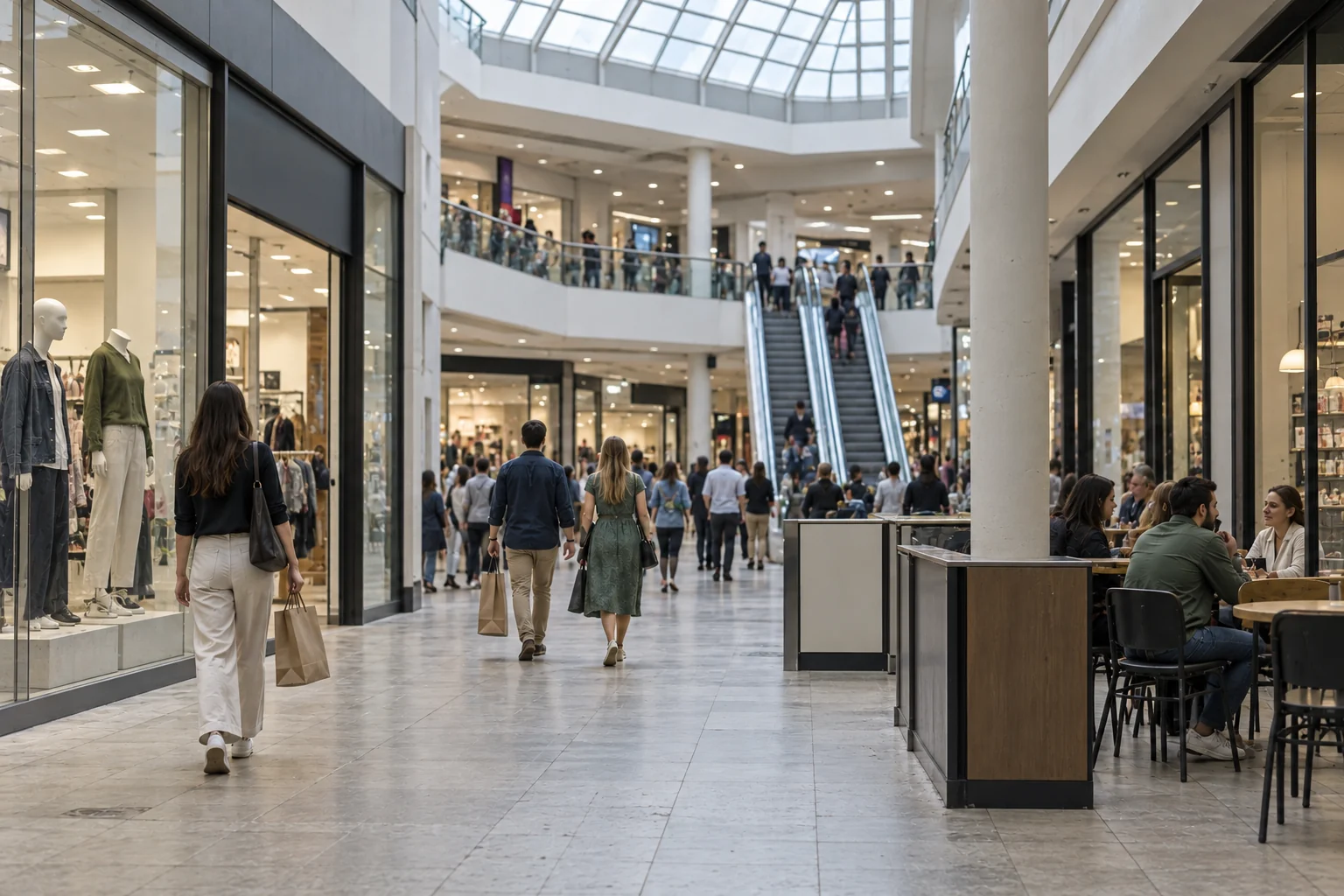
Illustrative business setting · your actual site is assessed individually

Build the brief

What we need to
understand your operation.

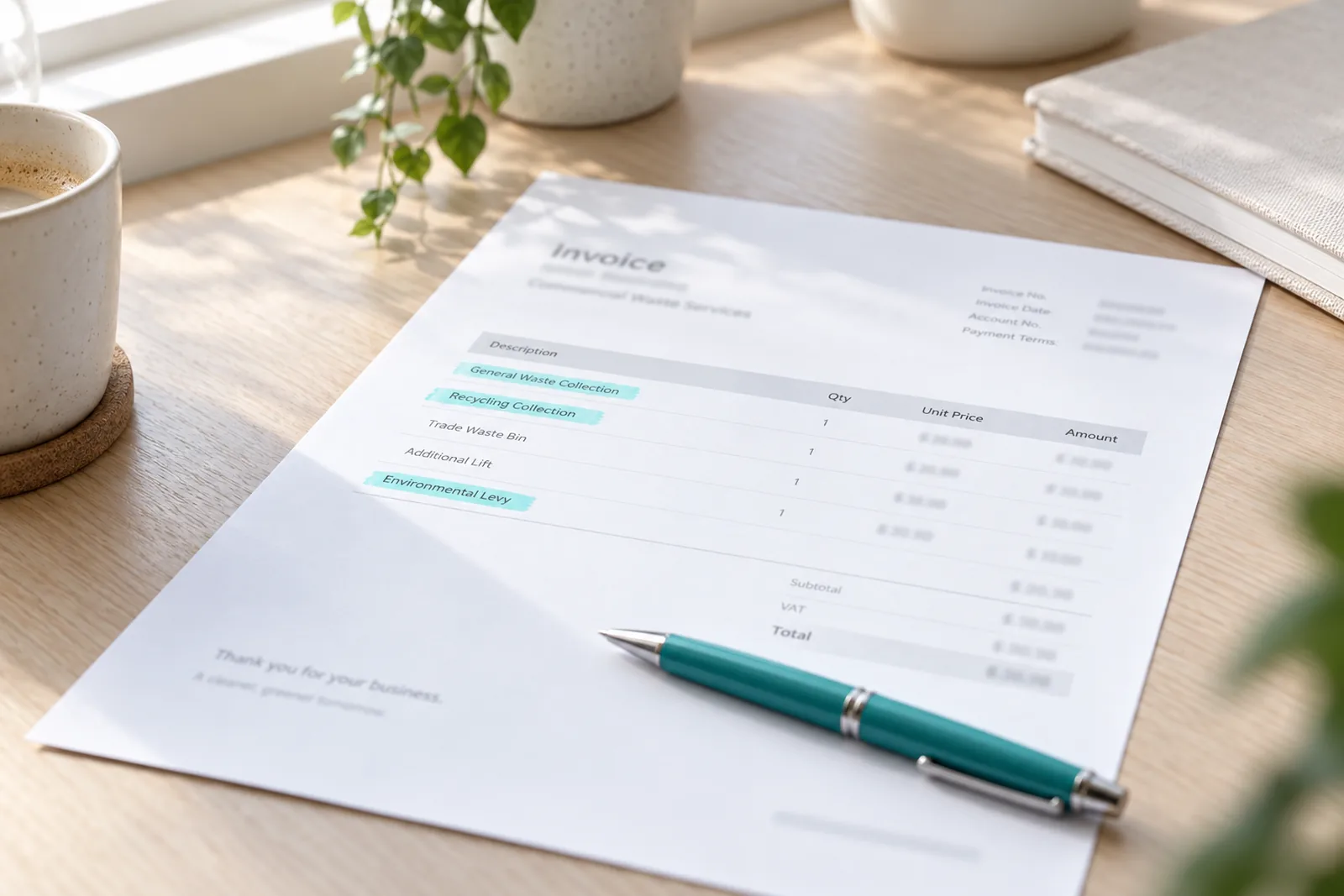
Your invoice

Your invoice

Current services, charges and contract information.

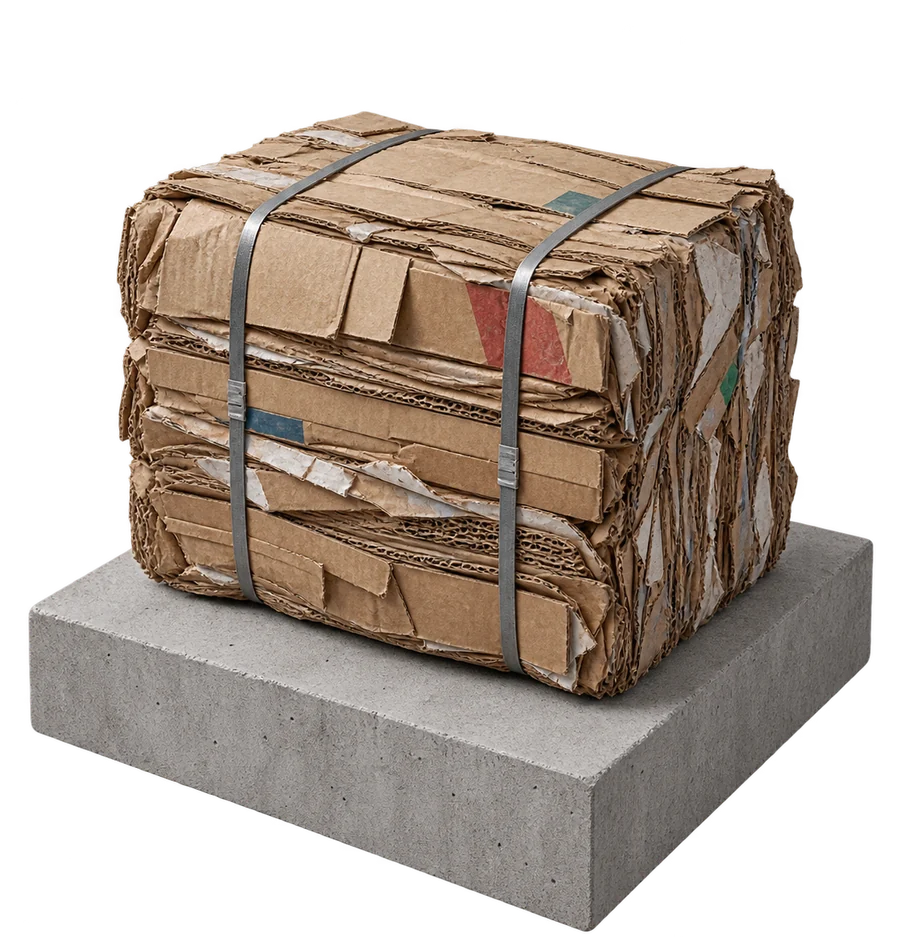
Your materials

Your materials

The streams you produce and how they are separated.

Illustration of a commercial bin with its contents shown in cross-section

Access & storage

Available bin space and vehicle access.

Collection windows

Collection windows

Opening hours and preferred collection times.

$5,000-25,000
Typical Monthly Spend
Melbourne West
Service Area
up to 30%
Typical Savings

Shopping Centres businesses in Melbourne West have specific waste management requirements. From general waste to cardboard disposal, Bundle Waste works with a network of providers to find the most cost-effective waste solution for your shopping centres business.

Shopping Centres in Melbourne West

The shopping centres sector in Melbourne West presents specific waste management needs. Melbourne's western suburbs are the powerhouse of the city's industrial and logistics activity, anchored by the Port of Melbourne and major freight corridors. Derrimut, Truganina, Laverton, and Ravenhall host massive distribution centres and warehouses, while Brooklyn is known for heavy industry. The region is experiencing rapid growth with Werribee and Melton expanding as major population and commercial centres. Businesses in this sector typically generate general waste, cardboard, recycling waste streams.

Common Waste Streams
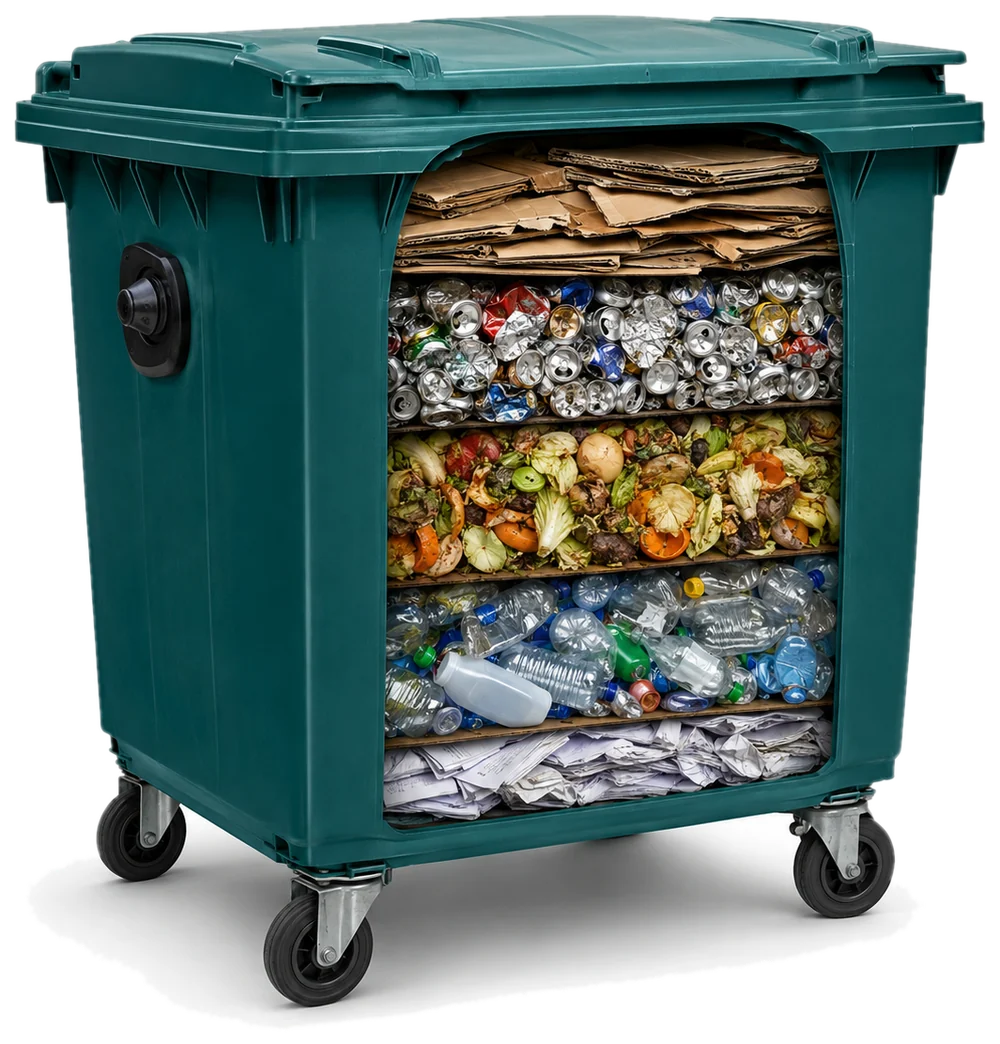
Illustration of a commercial bin with its contents shown in cross-section
  • general waste
  • cardboard
  • recycling
  • food court waste
  • grease trap waste
  • e-waste
  • hard waste
  • soft plastics

Local Regulations and Compliance

Businesses in the shopping centres sector must comply with Victorian waste regulations including the Environment Protection Act 2017 and general environmental duty obligations.

  • EPA Victoria commercial waste regulations
  • Trade waste agreements for food court operations
  • Fire safety regulations for loading docks and waste rooms
  • NABERS waste rating (voluntary but increasingly expected)
  • Tenant waste management obligations under lease terms

Waste Management Costs for Shopping Centres in Melbourne West

Typical monthly waste management spend for shopping centres businesses in Melbourne West is $5,000-25,000. Bundle Waste negotiates savings of up to 30% for our shopping centres clients in Melbourne West.

Frequently Asked Questions

How much does shopping centre waste management cost in Melbourne West?
Shopping centre waste management in Melbourne West typically costs $5,000-25,000 per month depending on size and tenant mix. A neighbourhood centre (5,000-15,000m² GLA) pays $5,000-10,000/month, a sub-regional centre (15,000-40,000m²) pays $10,000-15,000/month, and a regional centre (40,000m²+) pays $15,000-25,000+/month. Food court waste accounts for 40-50% of costs. Compactor rental ($500-1,500/month), recycling ($1,000-3,000/month), and grease trap services ($500-1,500/quarter) are significant line items.
How should shopping centres manage food court waste?
Food courts generate the highest waste intensity per square metre of any retail category. Key strategies: centralised food court waste stations with clear signage (general waste, recycling, food organics), food court-specific compactors to handle volume, dedicated grease trap servicing for food court drainage, tenant education programs (new tenant induction should cover waste procedures), and food organics diversion to reduce landfill costs. Well-managed food courts achieve 30-40% diversion rates. Contamination at public sorting stations remains the biggest challenge.
How should waste costs be allocated to shopping centre tenants?
Common allocation methods: gross lettable area (GLA) pro-rata (simplest, but unfair to non-food tenants), waste generation by category (fairest, requires monitoring), fixed plus variable charges (base charge per tenancy plus volumetric for heavy generators), and direct charging for food tenants with shared costs for remainder. Best practice: food tenants should pay a waste surcharge reflecting their disproportionate generation. Include waste management obligations and cost allocation methodology clearly in lease terms.
What does waste management cost for Melbourne's western suburbs?
Western suburbs (Footscray, Laverton, Truganina, Werribee) waste costs are 5–10% below CBD rates. The Western Metropolitan Regional Landfill in Ravenhall serves the area, keeping transport costs lower. A 1100L bin costs $80–150/month weekly collection.

Free Waste Audit for Shopping Centres in Melbourne West

We specialise in Shopping Centres waste management across Melbourne West. Get a free audit and find out how much you could save.

Get Your Free Audit →

Updated 3 September 2026