Get a free audit
Veterinary Clinics Waste Management in Melbourne East

Veterinary waste,
planned around care.

Tailored waste management for veterinary clinics businesses in Melbourne East.

Review my setup ↗
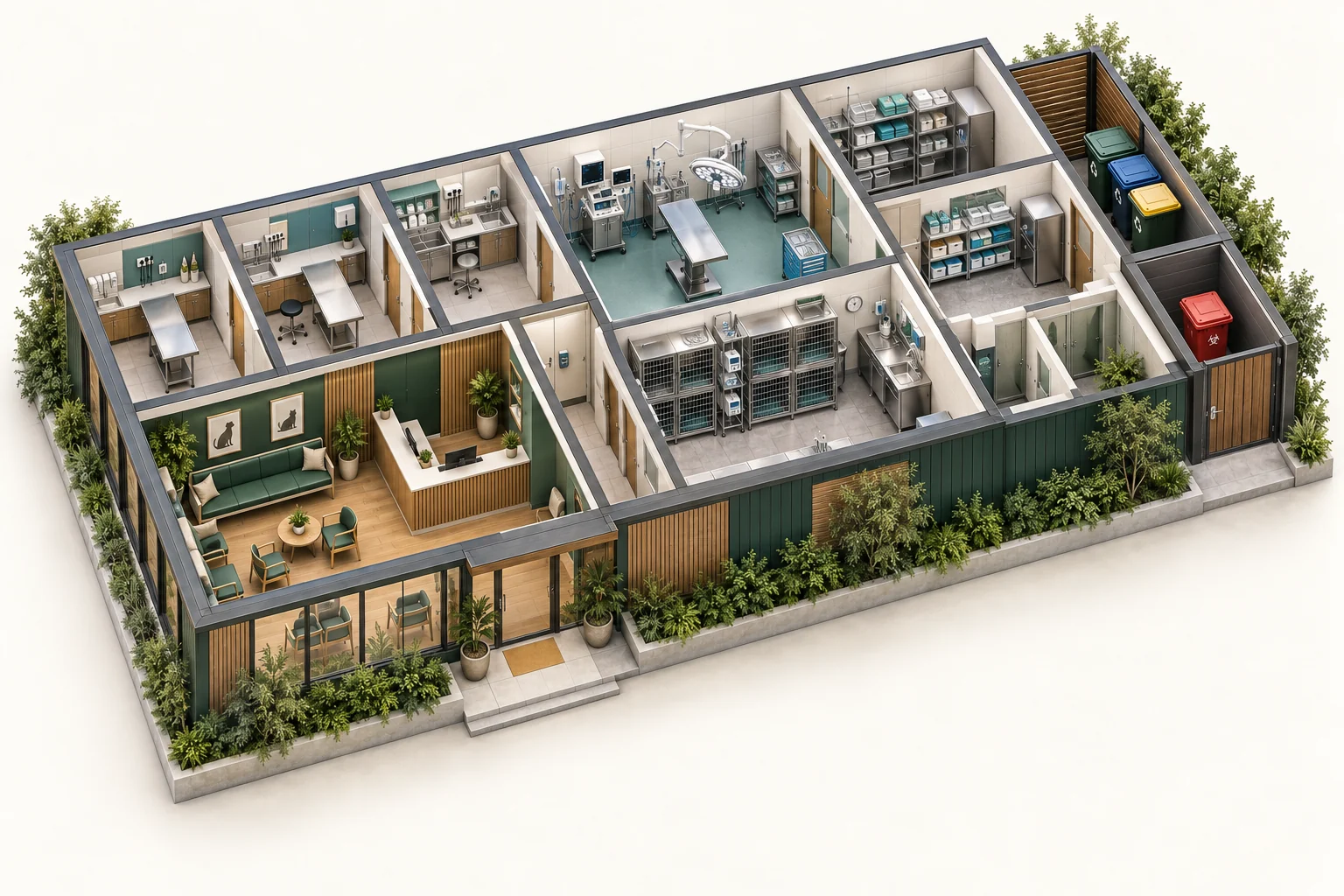
Illustrative cutaway of veterinary clinics showing work areas and waste storage
Waste streams

One operation.
Different waste streams.

Start with the materials your business produces. We look at separation, storage and collection options for the way your site works.

Operations

Plan the collection
around your site.

Every operation is different. Start with where materials arise, where bins fit and how a collection vehicle reaches them.

Identify usable bin space, separation points and a practical route from each work area.

  1. 01Treatment
  2. 02Segregation
  3. 03Secure storage
  4. 04Collection
Illustrative veterinary premises for site planningStorage & separation

Illustrative business setting · your actual site is assessed individually

Build the brief

What we need to
understand your operation.

Your invoice

Your invoice

Current services, charges and contract information.

Your materials

Your materials

The streams you produce and how they are separated.

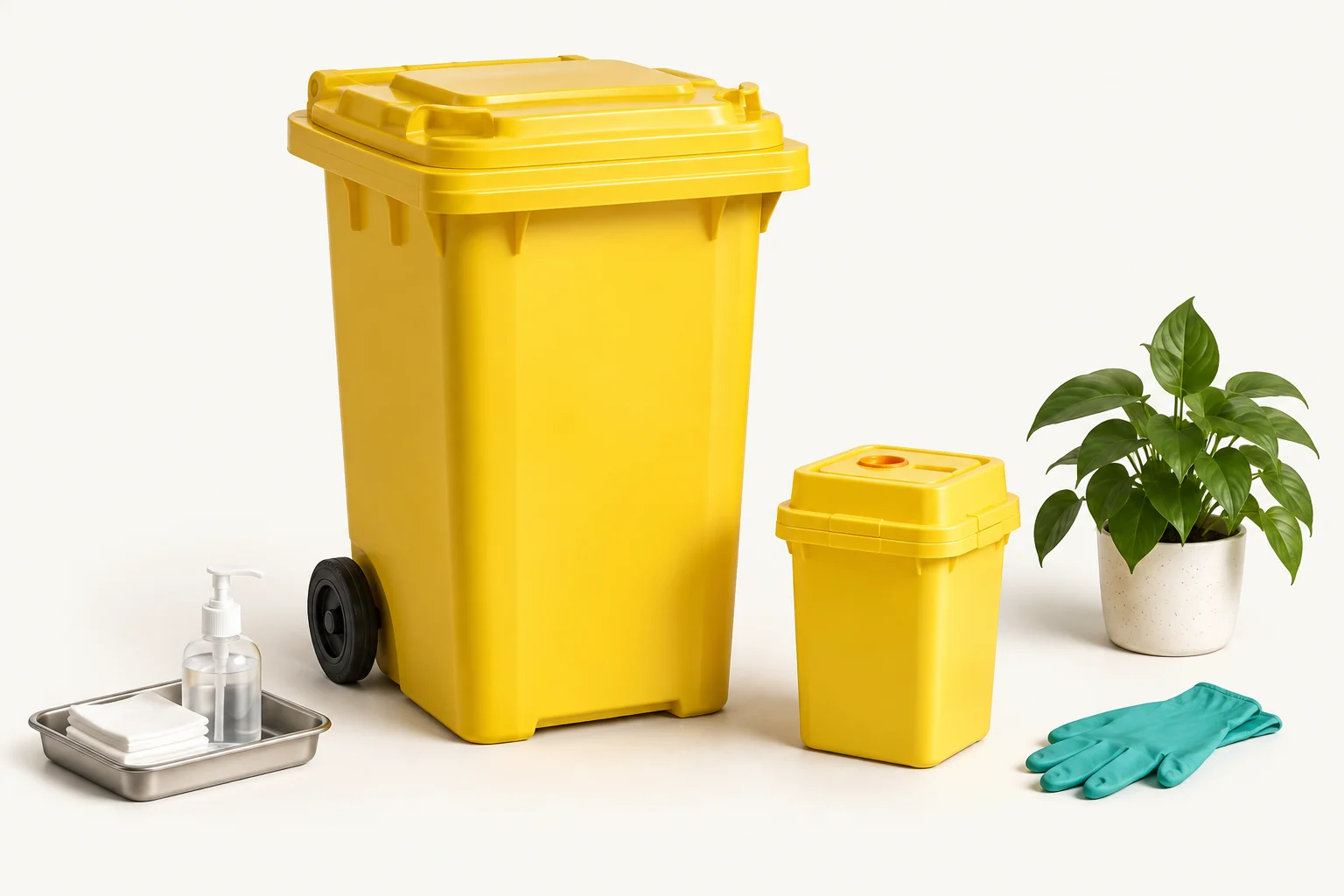
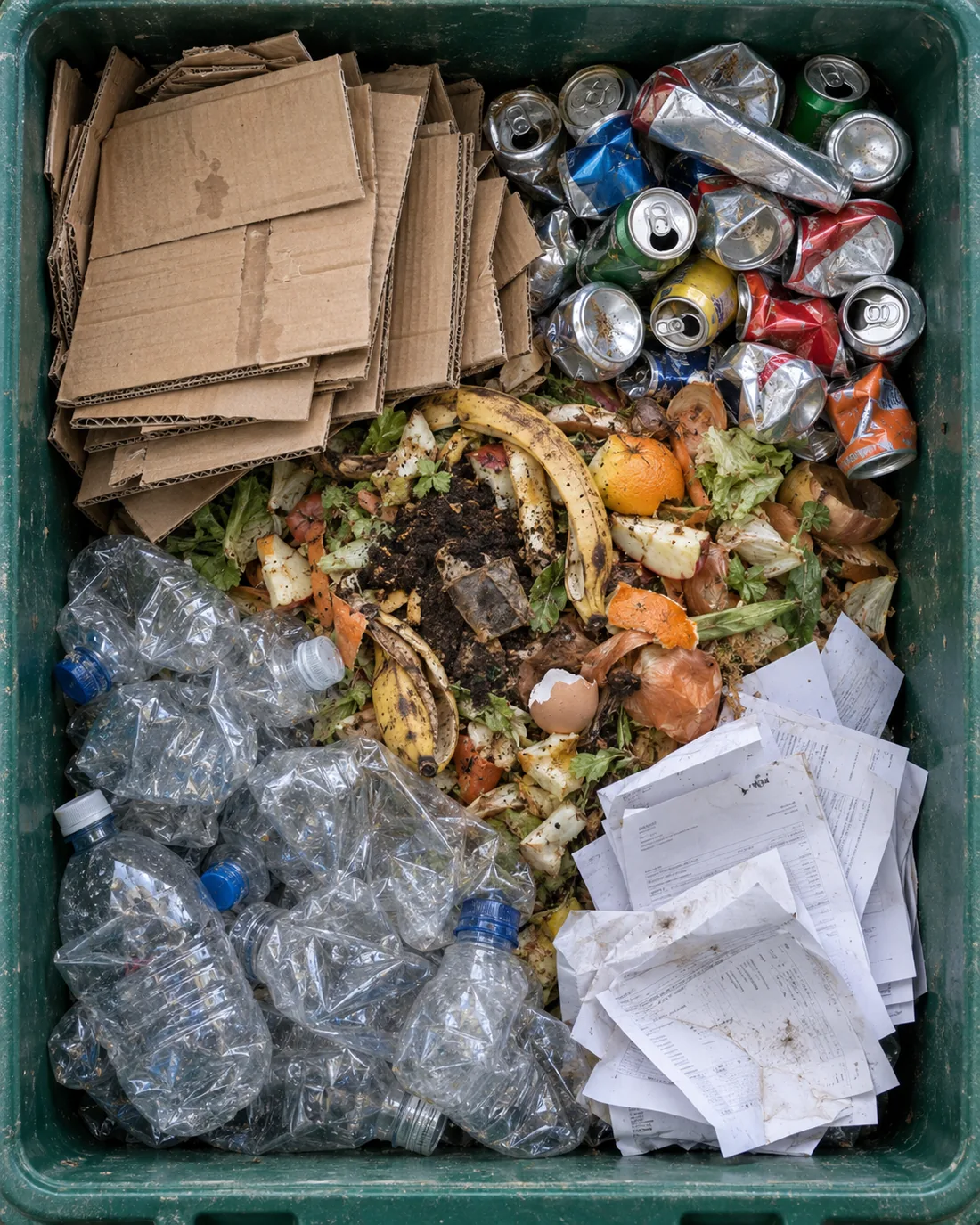
Illustration of a commercial bin with its contents shown in cross-section

Access & storage

Available bin space and vehicle access.

Collection windows

Collection windows

Opening hours and preferred collection times.

$500-2,000
Typical Monthly Spend
Melbourne East
Service Area
up to 30%
Typical Savings

Veterinary Clinics businesses in Melbourne East have specific waste management requirements. From clinical waste to sharps disposal, Bundle Waste works with a network of providers to find the most cost-effective waste solution for your veterinary clinics business.

Veterinary Clinics in Melbourne East

The veterinary clinics sector in Melbourne East presents specific waste management needs. Melbourne's eastern suburbs are characterised by established commercial centres, light industrial zones, and significant retail activity. Box Hill has emerged as a major commercial hub with high-density development, while Ringwood and Bayswater host thriving industrial estates. The region is home to a mix of professional services, technology companies, retail centres, and education institutions. Businesses in this sector typically generate clinical waste, sharps, pharmaceutical waste waste streams.

Common Waste Streams
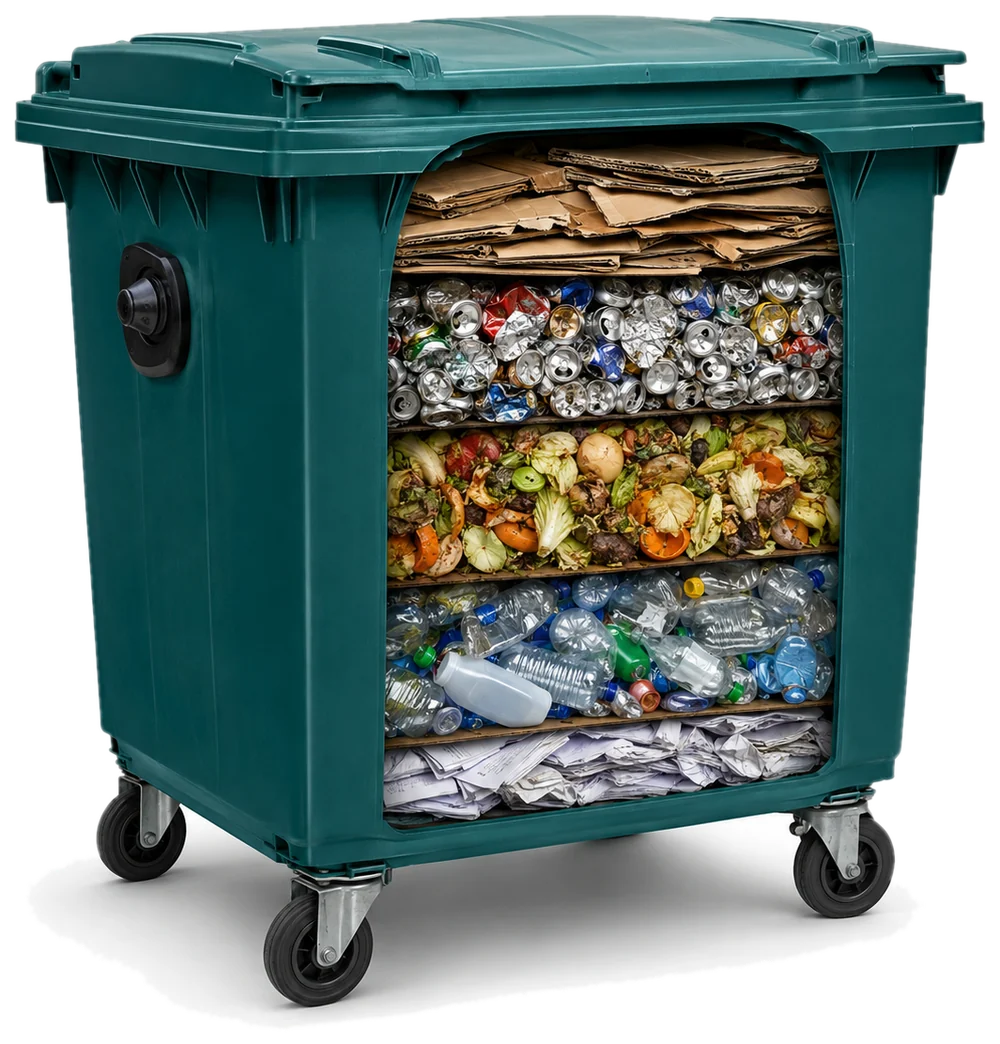
Illustration of a commercial bin with its contents shown in cross-section
  • clinical waste
  • sharps
  • pharmaceutical waste
  • animal tissue
  • general waste
  • recycling
  • bedding waste

Local Regulations and Compliance

Businesses in the veterinary clinics sector must comply with Victorian waste regulations including the Environment Protection Act 2017 and general environmental duty obligations.

  • EPA Victoria clinical waste regulations (Publication 1828)
  • Sharps disposal compliance with AS/NZS 4031
  • Pharmaceutical and controlled substance disposal under Veterinary Practice Regulations
  • Animal carcass disposal under EPA guidelines
  • WorkSafe Victoria infection control standards

Waste Management Costs for Veterinary Clinics in Melbourne East

Typical monthly waste management spend for veterinary clinics businesses in Melbourne East is $500-2,000. Bundle Waste negotiates savings of up to 30% for our veterinary clinics clients in Melbourne East.

Frequently Asked Questions

How much does veterinary clinic waste management cost in Melbourne East?
Veterinary clinic waste management in Melbourne East typically costs $500-2,000 per month depending on practice size. A small companion animal clinic (2-3 vets) pays $500-800/month, a mid-size clinic with surgery $800-1,300/month, and a large animal hospital or emergency centre $1,300-2,000+/month. Clinical waste accounts for $200-600/month, sharps $50-150/month, general waste $100-400/month, recycling $50-150/month, and animal cremation services are additional ($50-200 per animal for individual cremation).
How should veterinary clinics dispose of animal tissue and carcasses?
Animal tissue from surgery and deceased animals must be managed appropriately. Options: cremation through licensed pet cremation services (individual cremation $50-300 depending on animal size; communal cremation $20-80), collection by licensed clinical waste providers for incineration, or for large animals and farm settings, rendering or deep burial (subject to EPA and local council regulations). Animal tissue is classified as clinical waste and must not go in general waste. Many vet clinics offer pet owners the choice of individual cremation with ashes returned.
What clinical waste requirements apply to veterinary clinics in Victoria?
Veterinary clinics must comply with EPA Publication 1828 for clinical waste. All blood-saturated materials, surgical waste, sharps, and pathological specimens must be segregated into yellow clinical waste bags/bins, collected by licensed transporters, and tracked with transport certificates (retained for 3 years). Sharps containers must comply with AS/NZS 4031. Non-clinical items (clean gloves, paper towels, packaging) should go in general waste — misclassification into clinical waste costs 5-10x more and is the most common expense avoidable in vet clinics.
How much does waste collection cost in Melbourne's eastern suburbs?
Eastern suburbs (Box Hill, Ringwood, Knox) waste collection costs are close to metro average: $35–60/month for 240L general waste, $55–120/month for 660L. Whitehorse and Knox councils actively support business recycling programs.

Free Waste Audit for Veterinary Clinics in Melbourne East

We specialise in Veterinary Clinics waste management across Melbourne East. Get a free audit and find out how much you could save.

Get Your Free Audit →

Updated 3 September 2026