 Bundle Waste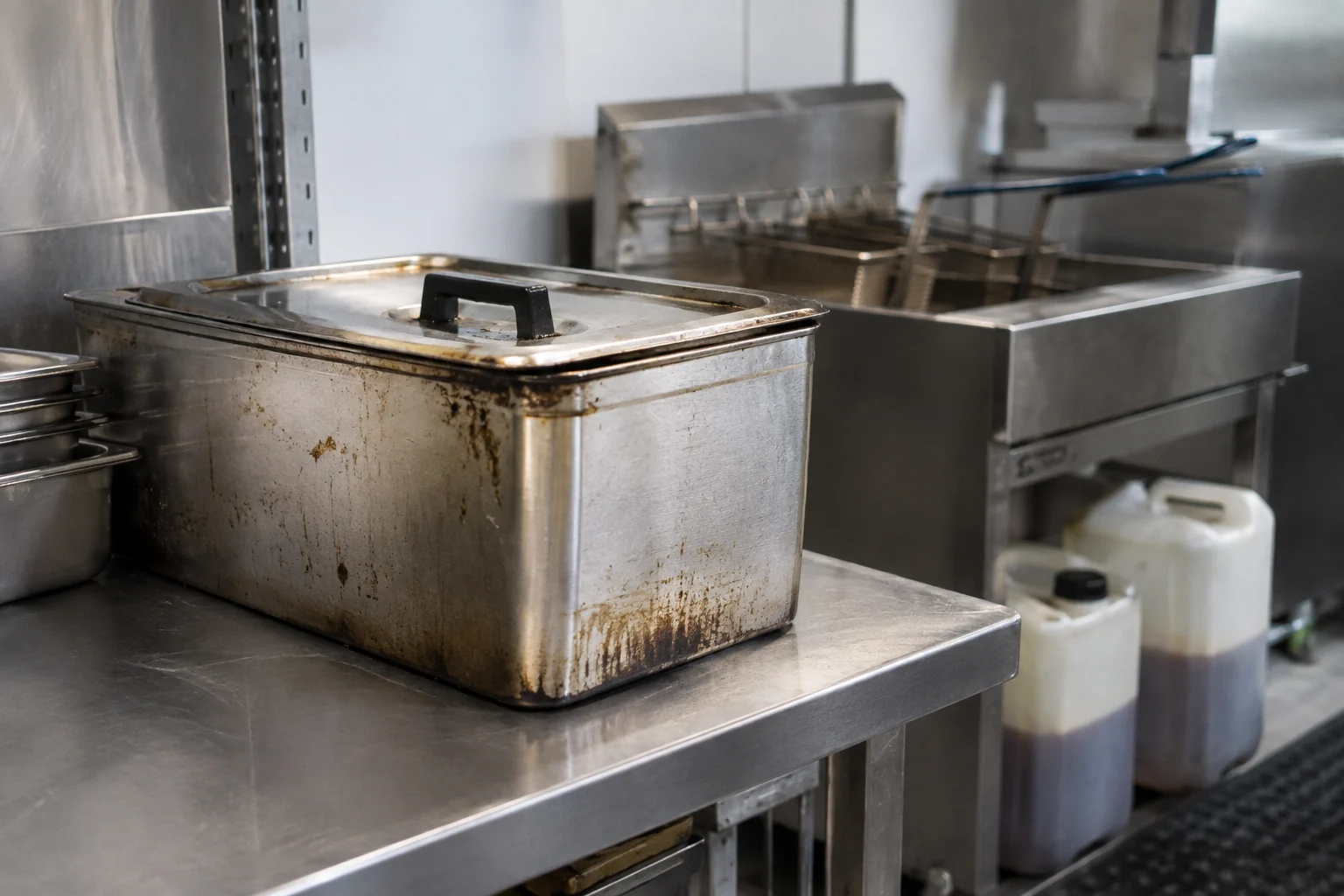
Used cooking oil collection is free for most Melbourne restaurants, cafés and commercial kitchens. The national collectors publish it: Auscol, a division of GrainCorp, says it supplies storage tanks and collects used cooking oil free of charge for more than 5,000 Australian food businesses; Scanline, Cleanaway's used-oil brand, provides free storage and collection; Cookers operates in every capital city. The oil is a feedstock for biofuel and animal feed, so the collector's revenue is the oil, not your invoice. Rebates for high-volume, clean oil exist but are negotiated, not published. Where kitchens do pay is next door: grease-trap pump-outs and contamination.
What the collectors publish
| Collector | Published cost to the kitchen | What happens to the oil |
|---|---|---|
| Auscol (GrainCorp) | Free storage tanks; used cooking oil collected free of charge; 5,000+ food businesses | Upcycled into biofuel |
| Scanline (Cleanaway) | Free storage and collection; national used-oil specialist | Recycled into biofuel feedstock |
| Cookers | Used oil collection and recycling in all major Australian cities | Also supplies fresh oil on the same run |
When a kitchen gets paid
Rebates per litre appear for kitchens producing large, consistent volumes of clean oil (no water, no food solids, no mixing with mineral oil). Rates move with the biodiesel market and are set in the agreement, so treat any published number with suspicion and ask for the rebate clause in writing. Bundled fresh-oil supply and used-oil collection from one company is common; the rebate is often netted against the fresh-oil price rather than paid out.
Where kitchens actually pay
- Grease trap pump-outs. Separate service, separate price. Waster publishes $0.21 plus GST per litre and $840 plus GST a year for a 1,000L trap on a quarterly cycle; our grease trap cost guide has Melbourne ranges and the pump-out versus biological treatment comparison.
- Contaminated oil. Water, food solids or mineral oil in the tank turn a free collection into a charged liquid-waste job.
- Tank rental or small-volume fees in some agreements when volumes fall below a minimum. Read the schedule.
- Oil in the general-waste bin. Never. It is a contamination charge and a levy-bearing landfill load.
Setting it up
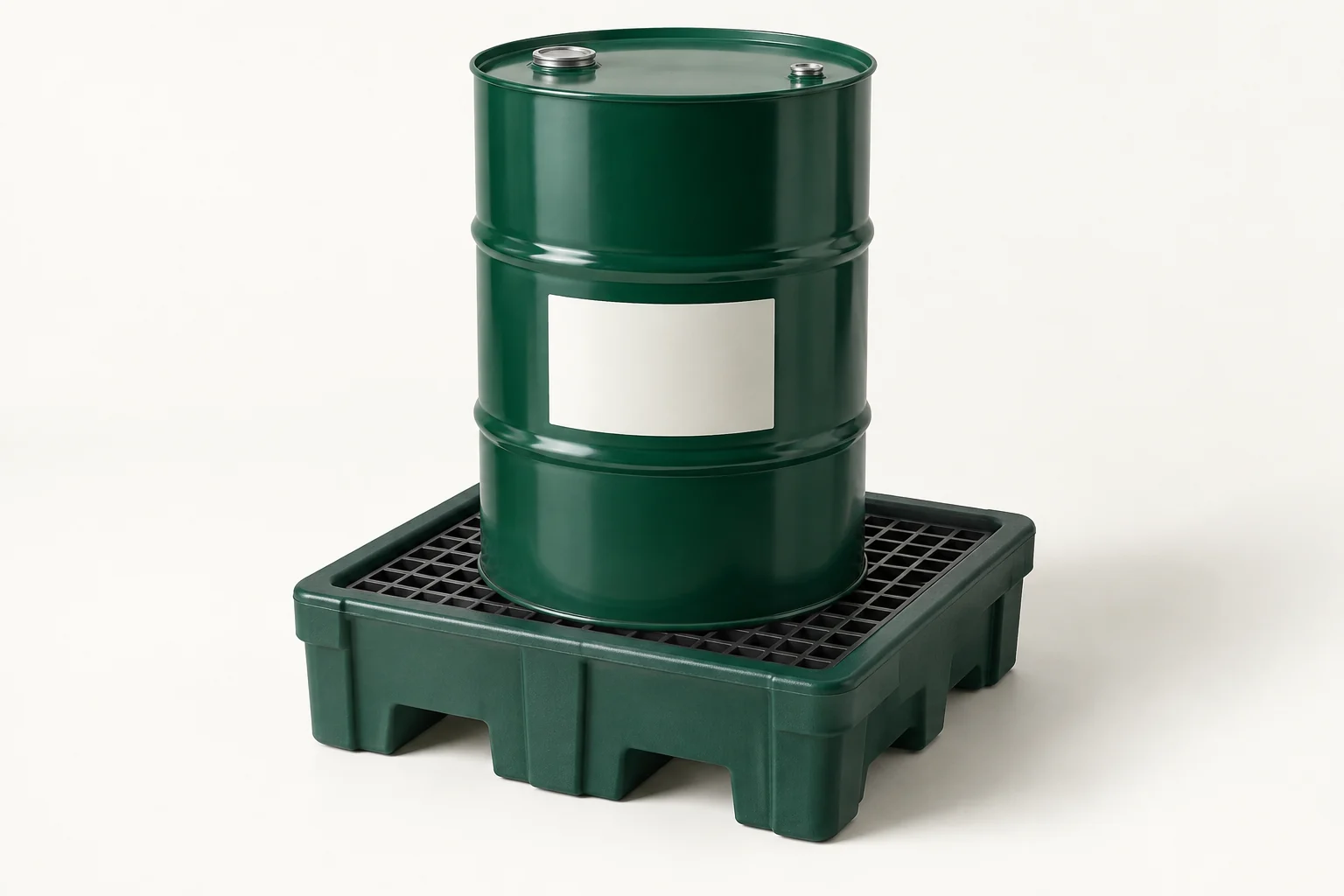
Ask two collectors for their standard agreement, confirm collection frequency matches your fryer volume, keep the tank indoors or bunded, and get the rebate and contamination clauses in writing. Cooking oil is the one waste stream where the right answer is usually zero, and a free audit checks that it actually is zero on your invoices.
Sources
- Auscol, auscol.com.au
- Cleanaway, Used cooking oil recycling and collection (Scanline)
- Cookers, Used oil collection
- Waster, Waste management costs (grease trap pricing)
Frequently asked questions
Does used cooking oil collection cost anything in Melbourne?
Can I get paid for used cooking oil?
What do restaurants pay for instead?
Can cooking oil go in the general waste bin?
How often is used cooking oil collected?
Related guides
Make sense of your own waste setup.
Send your current invoice or tell us what your business needs. We can review the service, compare providers and help coordinate the next step.
Review my waste setup Compare your quote totals