Bundle Waste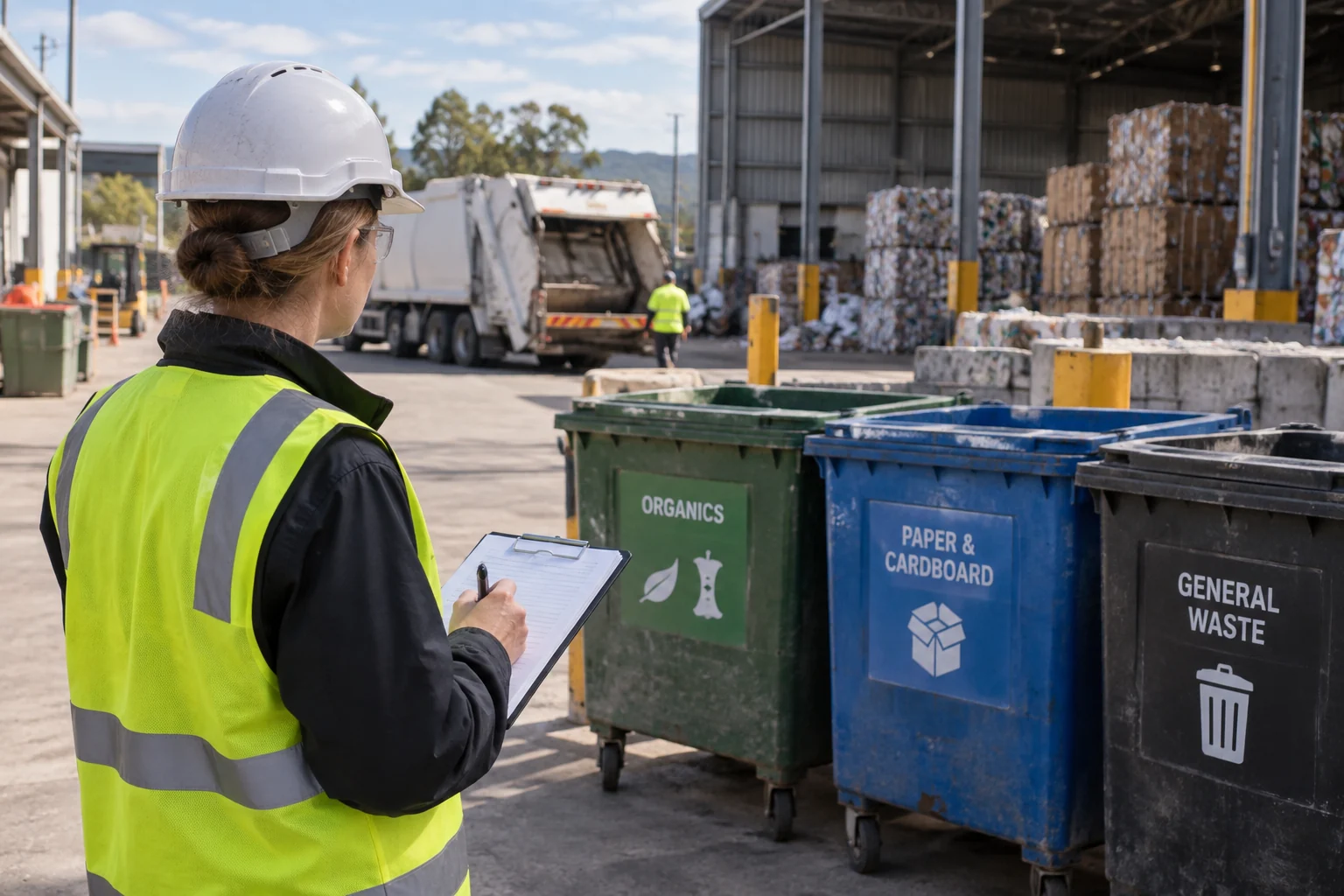
EPA Victoria regulates waste through a framework that depends on the material and activity. Start with classification and the applicable duties rather than assuming every business needs the same licence or paperwork.
The general environmental duty
The general environmental duty sits at section 25 of the Environment Protection Act 2017 and is the obligation the rest of the framework hangs off. EPA Victoria describes it as a duty to eliminate or otherwise reduce risks of harm from your waste or pollution so far as reasonably practicable, and says it applies to households and businesses — anyone doing any activity that creates a risk to human health and the environment from waste or pollution.
Two things follow for a business that produces waste. The duty is proactive: it applies before anything has gone wrong, not only after an incident. And it is not discharged by handing material to a contractor — the risk from your waste remains yours to reduce so far as reasonably practicable. EPA states that there are significant penalties where a business does not meet the duty. The amount depends on the particular offence and the applicable rates, so no figure is quoted here.
Identify the current classification
The EPA’s waste duties guidance distinguishes industrial, priority and reportable priority waste. Priority waste is a subset of industrial waste; reportable priority waste is a further subset. Do not use the historical phrase prescribed industrial waste as a shortcut for all current requirements.
The three waste classifications
EPA's waste duties guidance works in three nested classes, not the historical prescribed-industrial-waste list:
- Industrial waste — waste from commercial, industrial and trade activities, laboratories, accommodation, cafés and restaurants, and building and road construction, together with waste transported for a fee from non-kerbside sources. Most business waste starts here.
- Priority waste — a subset of industrial waste carrying greater regulatory controls and duties because it is prone to mismanagement, is harmful to human health or the environment, or has potential for reuse or recycling. EPA gives treated timber, e-waste and septic tank waste as examples.
- Reportable priority waste — a subset of priority waste, carrying the highest level of controls, and usually the waste posing the greatest risk to human health and the environment.
EPA sets out seven duties for businesses managing industrial waste: classify the waste; meet the duties that go with that classification; deposit waste only at a place authorised to receive it; comply with transport requirements; make sure receiving arrangements are in order; investigate alternatives to disposal for priority waste; and notify transactions in reportable priority waste. Which of them reach you is decided by the classification, which is why classification comes first and is not a formality.
Distinguish classification from disposal category
A disposal category and a waste classification answer different questions. Confirm the category and acceptable receiving route for the actual waste, especially where soil or contaminated material is involved. Do not assign categories A–D from a generic example list.
What this means if you only produce waste
A common assumption is that this regime is aimed at processors and transporters. It is not. The duties begin with the business that produces the waste, and the duty to deposit waste only at a place authorised to receive it applies to the person handing the waste over as much as to the person carrying it.
In practice that means:
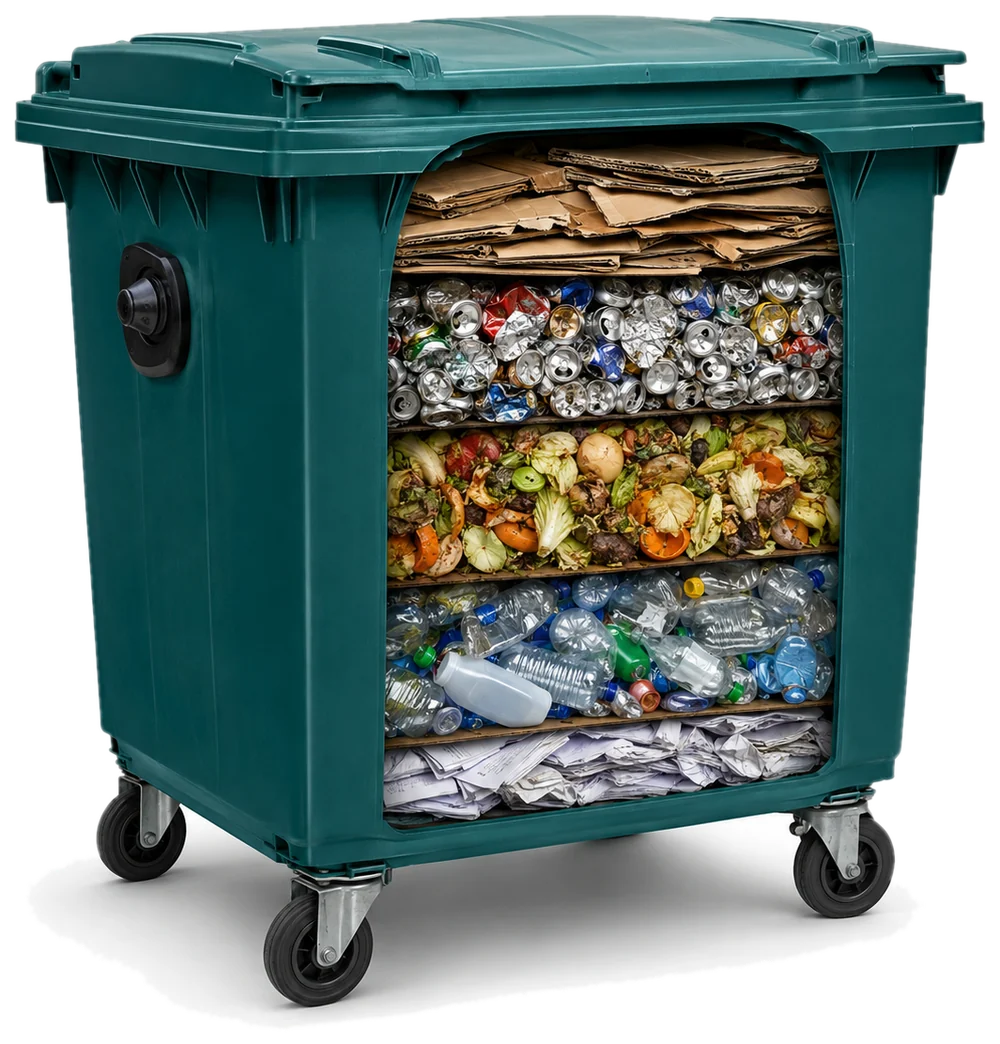
- knowing what you actually generate, by material and classification, rather than by bin colour;
- storing it so that it cannot escape, leak, or mix with another stream in a way that changes its classification;
- checking that your transporter and the receiving site hold the permissions their activity requires, and keeping a record of that check;
- training the people who load the bins, because a contaminated bin is a classification problem before it is a contamination charge;
- keeping the assessment, the classification and any applicable conditions on file.
Check transport and receiving arrangements
Ask which permissions and tracking requirements apply to the material and proposed movement. Obtain the transporter and destination details and verify that the receiving arrangement is lawful for that waste. Keep a record of the assessment and any applicable conditions.
Tracking reportable priority waste
If any of your waste is reportable priority waste, every time it changes hands has to be notified. The duty to notify of a transaction in reportable priority waste sits at section 142 of the Environment Protection Act 2017, and EPA states that you must use Waste Tracker, its electronic system, which notifies EPA automatically.
The duty reaches the whole chain: producers of reportable priority waste, accredited consigners who create waste records for producers, drivers and transporters, and receivers. The notifiable transactions are consigning the waste for transport, transporting it, and receiving it. EPA states the duty does not apply to a net load of less than 50 kilograms or litres transported for no reward or fee.
If a provider has told you your waste needs "a transport certificate", ask which system is actually being used for it and whether your own site is set up where it needs to be.
Permissions: licence, permit or registration
Most businesses that simply produce waste do not hold an EPA permission themselves — the businesses in their supply chain do. EPA groups permissions in three tiers by risk:
- Licence — high-risk prescribed activities, for example coal processing, power generation, or developing or operating a large landfill.
- Permit — medium-risk to high-risk prescribed activities, for example operating a medium-scale waste resource recovery centre.
- Registration — low-risk to moderate-risk prescribed activities, for example dry cleaning, some waste transport, and temporary asbestos storage.
EPA publishes a public register of the permissions it has issued, including their start and end dates, status, location and conditions. That is where to check a transporter or a receiving site before committing waste to it, and where to look again when a contract comes up for renewal. Our guide to assessing a collection provider covers what else to ask at that point.
Check e-waste separately
EPA’s e-waste guidance says most business e-waste is priority waste, while particular batteries have different classifications or conditional designations. It is incorrect to label all e-waste reportable priority waste. Use the exact rules for the items being handled.
Use current levy tables appropriately
The EPA waste levy tables distinguish premises, financial years and waste categories. A statutory landfill levy is not a complete collection tariff or proof of how your provider calculated its environmental fee. Ask for that contractual explanation separately.
If something goes wrong: the duty to notify
Section 32 of the Environment Protection Act 2017 creates a duty to notify EPA of a notifiable incident. EPA describes a notifiable incident as pollution from a leak, spill or escape of a substance which is not intended or authorised and causes harm, or is likely to cause harm, to human health or the environment, and says that when you become aware of one you must notify EPA as soon as practicable.
The duty falls on the person who caused the incident, or who is responsible for it, unless that person knows someone else has already told EPA. For a waste-generating site the scenarios worth deciding in advance are the ordinary ones: something escaping a bin or container and reaching a stormwater drain, a fire in a storage area, or finding that material which left your site did not go where it was meant to. Agree now who makes the call and what they will need to be able to say.
Know where to seek specific advice
For unclear classifications, pollution incidents, permissions or potential enforcement, consult EPA guidance and a qualified adviser as appropriate. Penalties depend on the particular offence and applicable rates; this guide does not offer a universal fine amount. Keep site instructions and staff training aligned with the confirmed requirements.
Frequently asked questions
Which EPA waste rules apply to my Melbourne business?
What is the general environmental duty?
Do I still need a waste transport certificate in Victoria?
Does my business need an EPA licence?
Is all e-waste reportable priority waste?
When do I have to tell EPA about a spill?
What is the Victorian landfill levy rate?
Related guidance
Sources
Checked 21 September 2026. Regulatory information is limited to the jurisdiction and topic specified; it is not legal advice.
- EPA Victoria — Understand your waste obligations and duties. Industrial waste; Priority waste; Reportable priority waste.
- EPA Victoria — Electronic waste. E-waste and the law; Standards and codes.
- EPA Victoria — Waste levy. Table 1: 1 July 2026 to 30 June 2027; Table 3 priority waste.
- EPA Victoria — General environmental duty. Section 25, Environment Protection Act 2017; what the duty requires; who it applies to.
- EPA Victoria — Duty to notify of transaction in reportable priority waste. Section 142; who the duty applies to; notifiable transactions; the 50 kg/L exemption.
- EPA Victoria — Waste Tracker. What it is; the roles required to use it.
- EPA Victoria — Permissions. Licences, permits and registrations; public register.
- EPA Victoria — Duty to notify Authority of a notifiable incident. Section 32; definition of a notifiable incident; who must notify and when.