Bundle Waste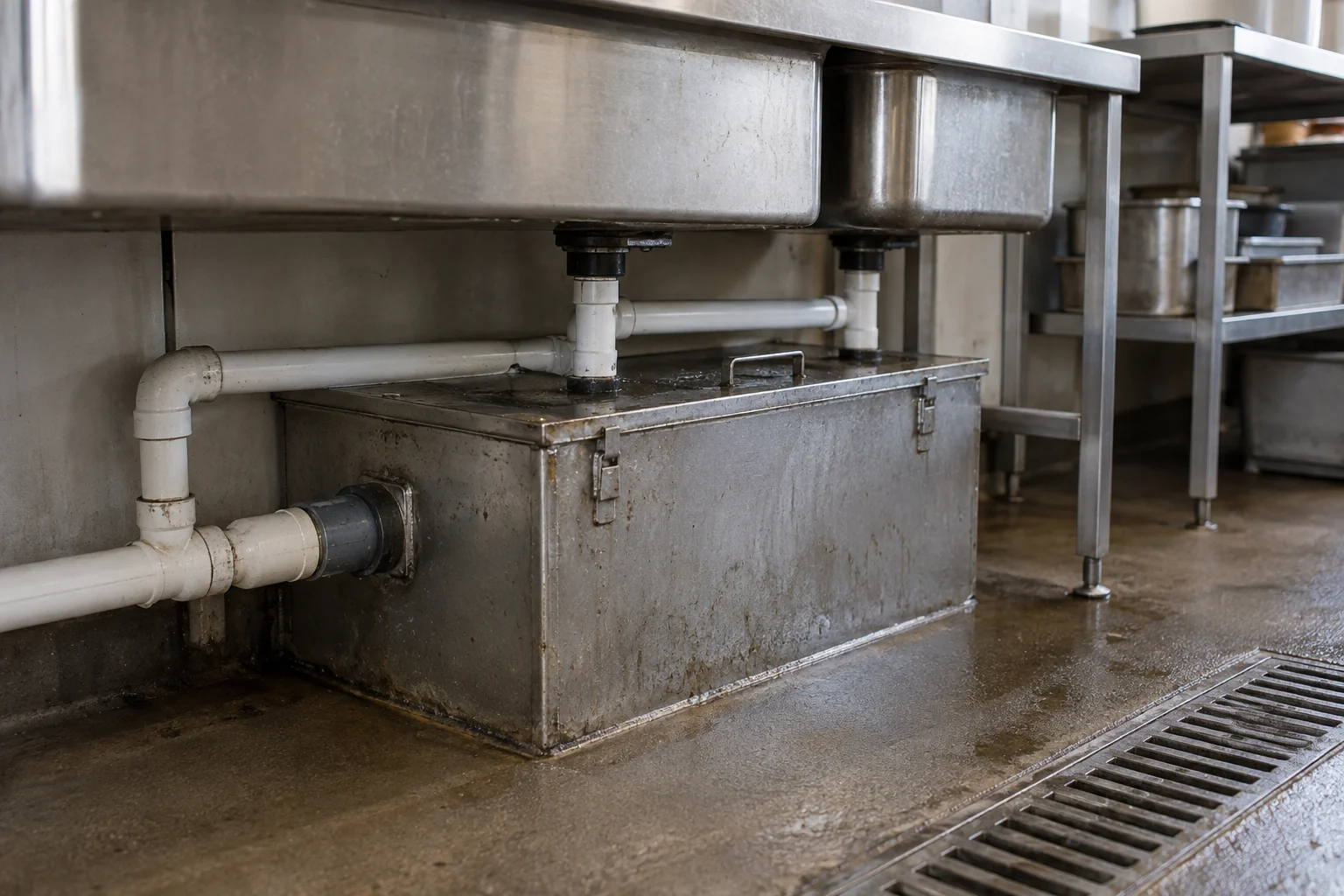
To compare grease-trap pump-out costs, first establish the service your site actually requires. Use the interceptor details, access conditions and required schedule to request like-for-like quotes. No verified Melbourne market average is supplied here.
Begin with the consent and equipment
Find the site’s current trade waste consent and identify the interceptor location and capacity from its records. Describe access constraints, hose reach, collection windows and any information the transporter requests. Do not guess the service volume from the price on a previous invoice.
South East Water guidance explains that the consent controls pump-out frequency in its service area. Confirm your own water authority’s requirements rather than choosing a cheaper interval from a generic table.
Ask what the quote includes
Separate pumping, transport, treatment/disposal, minimum attendance, waiting, access and documentation charges. Ask whether pricing uses volume, time, a fixed service or a combination. Confirm GST treatment and what can change the final amount.
Ask who records the completed service, what documents you receive and how a failed or delayed visit is handled. Keep emergency attendance terms distinct from the planned-service quote.
Calculate annual cost from actual visits
Multiply the accepted service price by the number of required visits, then add recurring and one-off charges not already included. Check the actual calendar. For illustrative arithmetic, a service every four weeks gives 13 services in a 52-week period, not 26; that is a calculation, not a recommended interval.
Use the same scope and schedule for each offer. Do not count a reduced number of required services as a negotiated like-for-like saving.
Review a proposed schedule change properly
If the business activity or equipment changes, ask the authority and qualified service provider to review the arrangement. Keep written confirmation of any approved variation. A price comparison does not establish that an interval is suitable.
Keep other liquid streams separate
An oil-water separator, septic system or process-liquid tank is not automatically the same service as a food-and-oil interceptor. Provide a separate description and ask for the applicable classification, handling and destination for each.
Reconcile completed visits and recorded quantities with invoices. Where an amount differs from the quote, ask for the service record and the clause or additional work that explains it before drawing a conclusion.
Related guides
Sources
Checked 18 September 2026. Apply each source within its stated scope; site-specific approvals and quotes still need confirmation.
- South East Water — Food and Oil Interceptor. Why is it important; Wastelog.