 Bundle Waste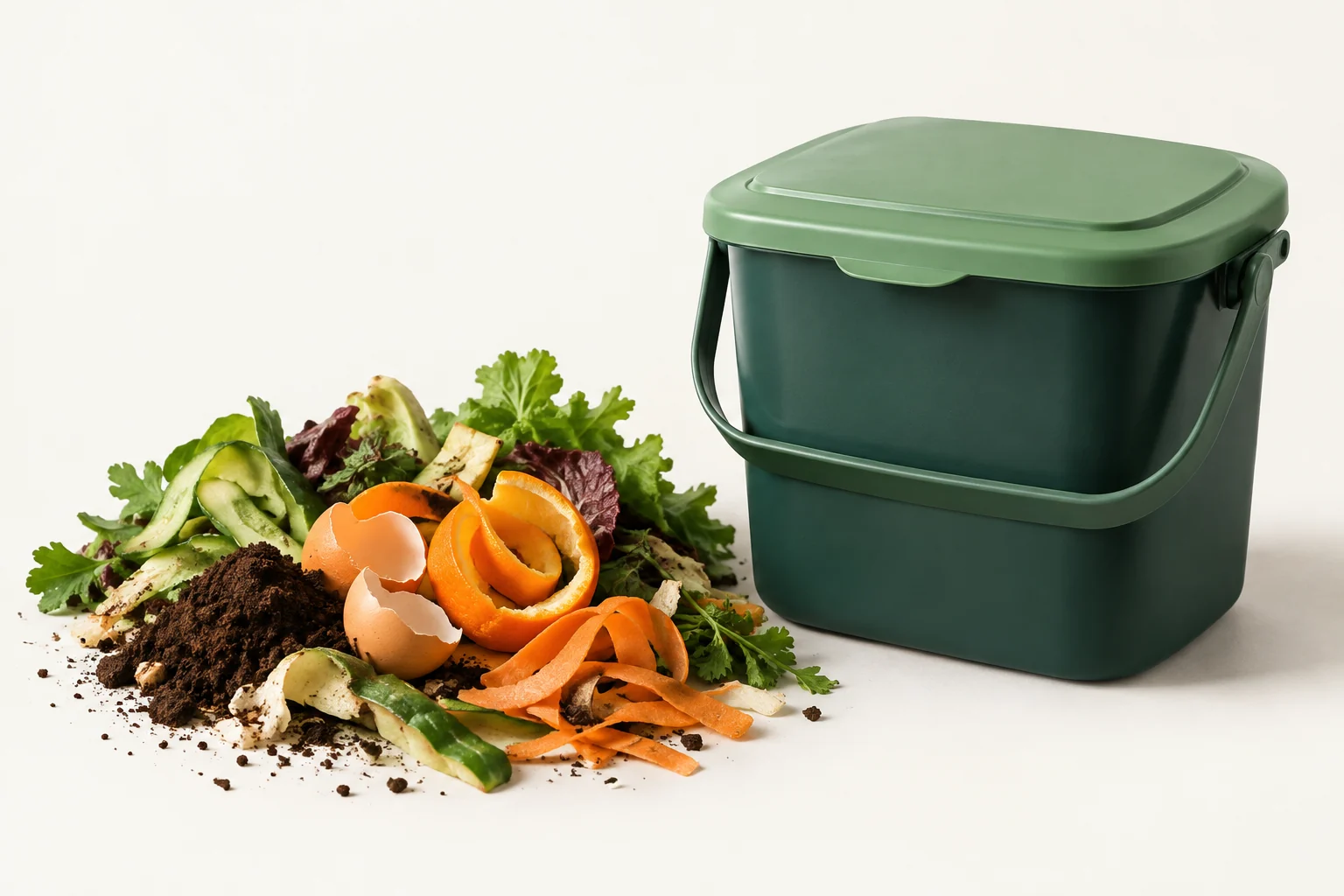
Looking for food & organic waste in Melbourne CBD? Bundle Waste compares rates across a network of waste providers in Melbourne to find the best deal for your business. A written proposal is needed to assess the service and any potential saving.
How Much Does Food & Organic Waste Cost in Melbourne CBD?
| Bin Size / Frequency | Quote requirements |
|---|---|
| 120L-weekly | Confirm materials, access, included charges and GST in a written quote. |
| 240L-weekly | Confirm materials, access, included charges and GST in a written quote. |
| 660L-weekly | Confirm materials, access, included charges and GST in a written quote. |
| 1100L-weekly | Confirm materials, access, included charges and GST in a written quote. |
| food-dehydrator-rental | Confirm materials, access, included charges and GST in a written quote. |
Request a written quote for your site, collection schedule and accepted materials. A review does not guarantee a lower price.
Food & Organic Waste Services Available
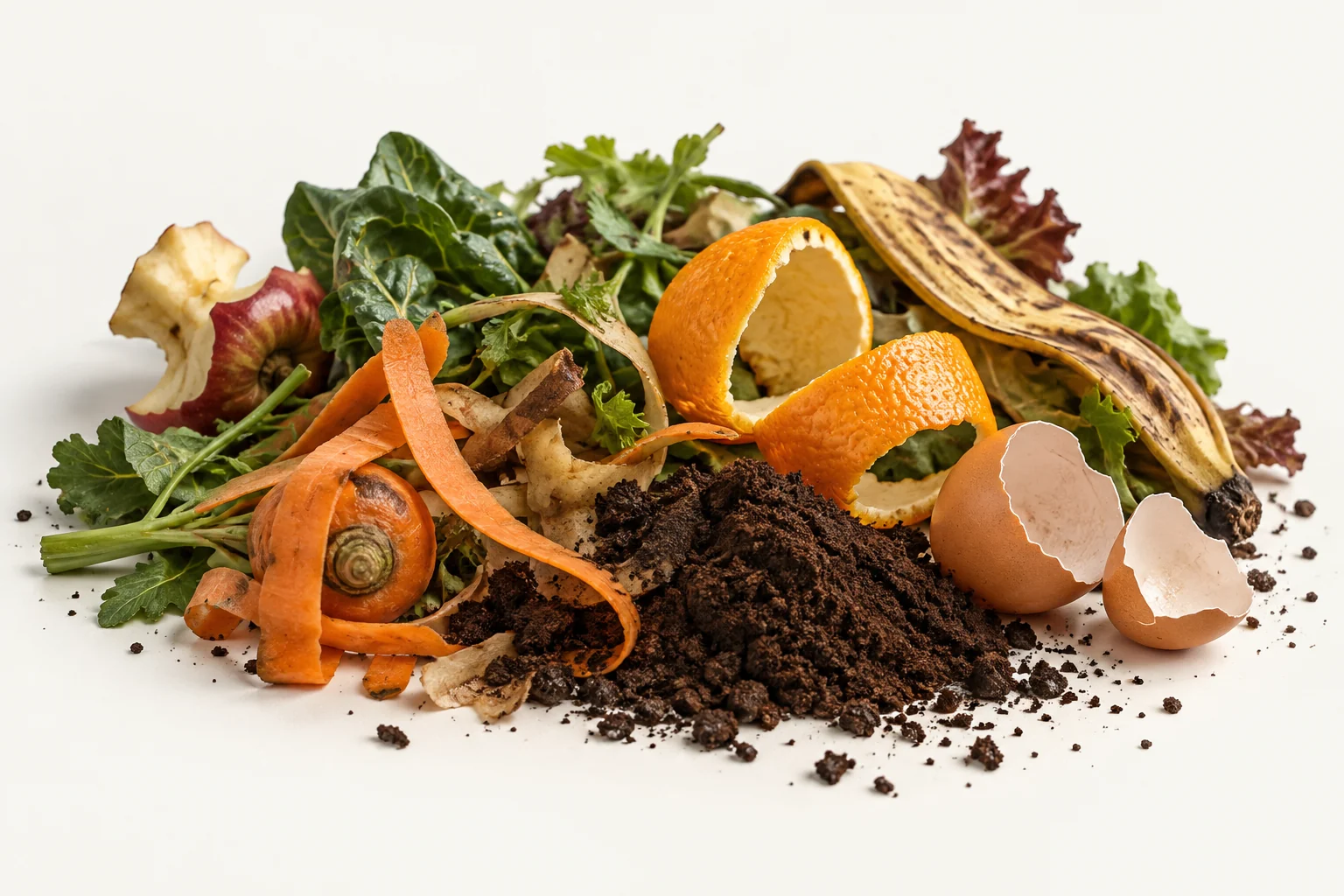
Collection and processing of food waste, organic materials, and compostable packaging from restaurants, cafés, hotels, supermarkets, food processors, and corporate kitchens across Melbourne and regional Victoria.
Waste Types Covered
- food scraps
- cooking oil
- coffee grounds
- fruit and vegetable waste
- meat and dairy waste
- compostable packaging
- garden organics
- food processing waste
Bin Types Available
- 120L wheelie bin
- 240L wheelie bin
- 660L front-lift
- 1100L front-lift
- kitchen caddy (23L)
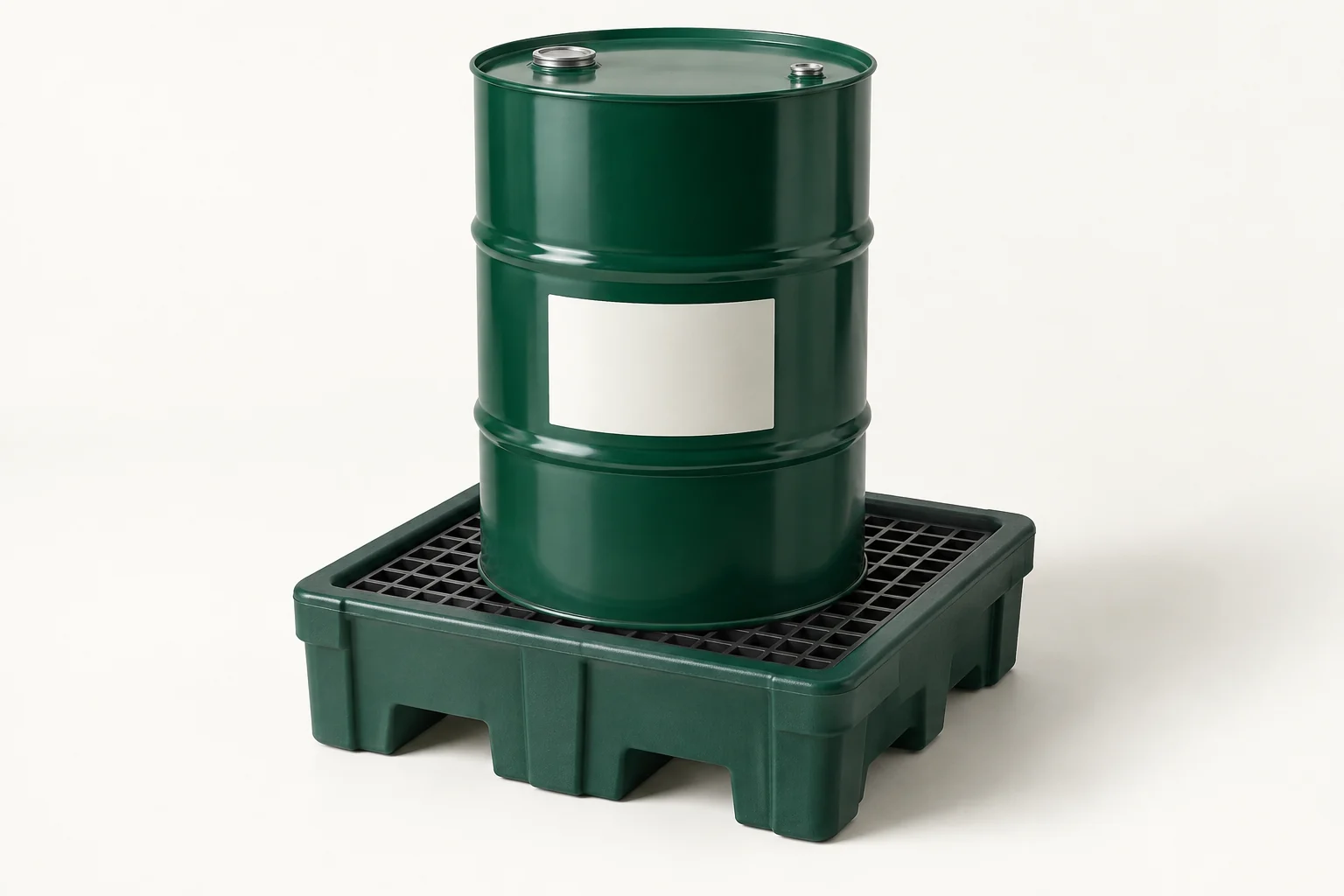
- cooking oil drum (20L)
- cooking oil IBC (1000L)
Melbourne CBD-Specific Information
Melbourne's central business district is the commercial heart of Victoria, home to corporate headquarters, major retail precincts, hospitality venues, and high-rise office towers. The area generates significant volumes of commercial waste from restaurants, hotels, and office buildings concentrated within a compact urban footprint. With strict City of Melbourne waste collection windows and limited loading dock access, businesses here need efficient, well-timed waste management solutions. High volumes of food and organic waste from restaurants and cafes, cardboard and packaging from retail, confidential paper waste from offices, and mixed commercial waste from hotels. Collection timing restrictions in pedestrian zones require careful scheduling.
Regulations and Compliance
Recycling Victoria policy mandates food and garden organics (FOGO) separation for all Victorian households and encourages commercial organics diversion. Environment Protection Act 2017 general environmental duty covers odour and vermin management from organic waste.
Landfill Levy: Food waste in landfill incurs $169.79/tonne levy AND generates methane (25x more potent than CO₂). Organics processing costs $60-100/tonne — approximately 50% savings versus landfill disposal.
- Recycling Victoria four-stream separation includes organics as a mandatory stream
- EPA Victoria odour management requirements for organic waste storage
- Food safety requirements for waste storage near food preparation areas
- Trade waste agreements for liquid food waste discharged to sewer
- Council planning conditions may require organics diversion for new food businesses
Industries We Serve in Melbourne CBD
- Restaurants & Dining
- CaféS
- Hotels & Accommodation
- Supermarkets & Grocery
- Food Processing
- Catering Companies
- Hospitals
- Aged Care Facilities
Related Services and Locations
Frequently Asked Questions
How much does food waste collection cost in Melbourne CBD?
What can go in a commercial food waste bin?
How do I reduce food waste costs at my restaurant?
How much does food waste collection cost in Melbourne?
What is the cost of waste management for restaurants in Melbourne?
What are typical waste costs in Melbourne CBD vs outer suburbs?
How much does grease trap servicing cost in Melbourne?
Get a Free Food & Organic Waste Audit in Melbourne CBD
We audit your current food-organic setup, compare rates across a network of providers, and discuss suitable service options. The review is free, with no obligation.
Get Your Free Audit →